Till
2022
PG-13No user ratings available yet
Representation score: 10.0 out of 10
These lists use approved racial and ethnic representation scores for Contemporary films (1990s-present) that have written notes. Highest-scoring films are those whose notes describe more on-screen racial and ethnic representation. Lowest-scoring films are those whose notes describe little. Neither list is a quality ranking.
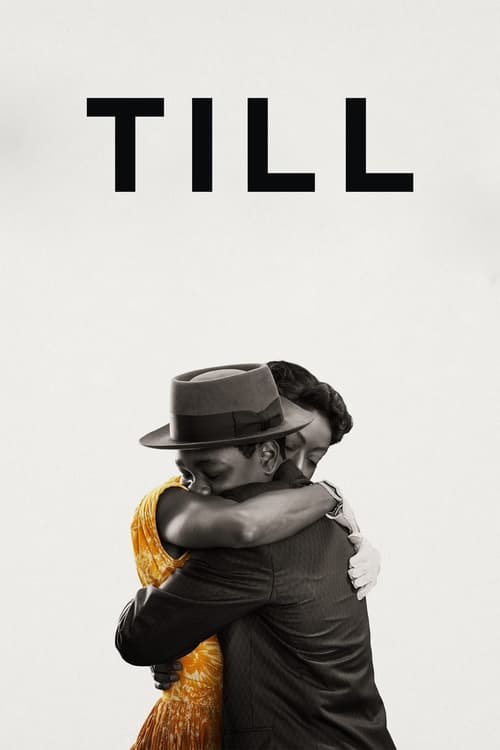
The film centers a Black protagonist and cast, giving deep ability to act to characters of color. It avoids the white savior cliché by focusing on the collective resilience of the Black community.
The narrative centers the Black experience by featuring a actively leading protagonist. It avoids whitewashing and showcases the complex socioeconomic layers within the community.
The film highlights a Black protagonist and a Jewish colleague, providing a detailed look at how different underrepresented groups face systemic oppression.
This groundbreaking production features an all-Asian cast to avoid whitewashing. It delves into the complexities of the Asian diaspora and contrasts Western individualism with Eastern collectivism.
An all-Black cast portrays a West African reality with authenticity. The film avoids whitewashing and the 'white savior' cliché.
The film centers the Black experience through an all-Black ensemble and avoids the 'white savior' cliché by making Black citizens the primary drivers of the plot.
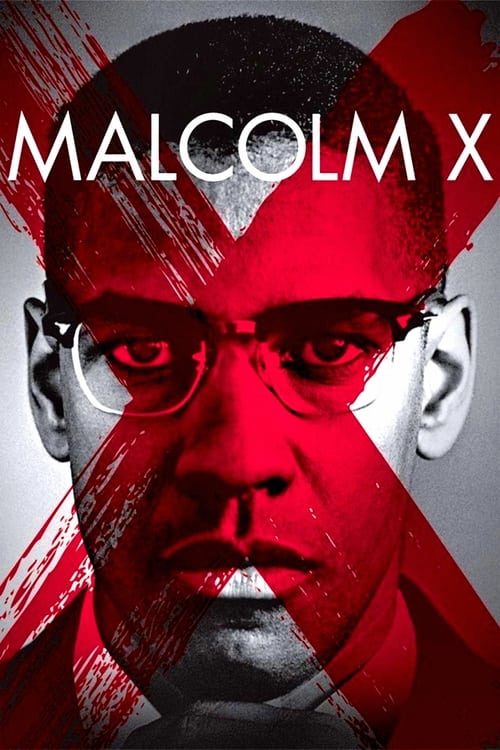
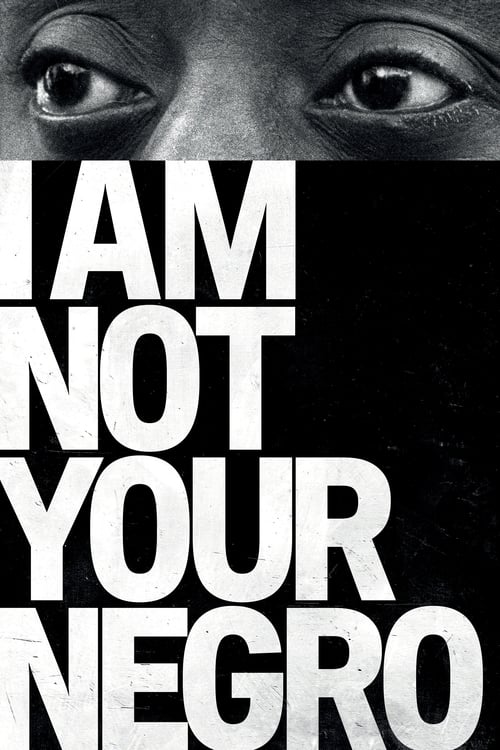
The film centers the Black experience and prioritizes Black ability to act. It disrupts white-centric lenses by focusing on the socioeconomic realities of Harlem and the Nation of Islam.
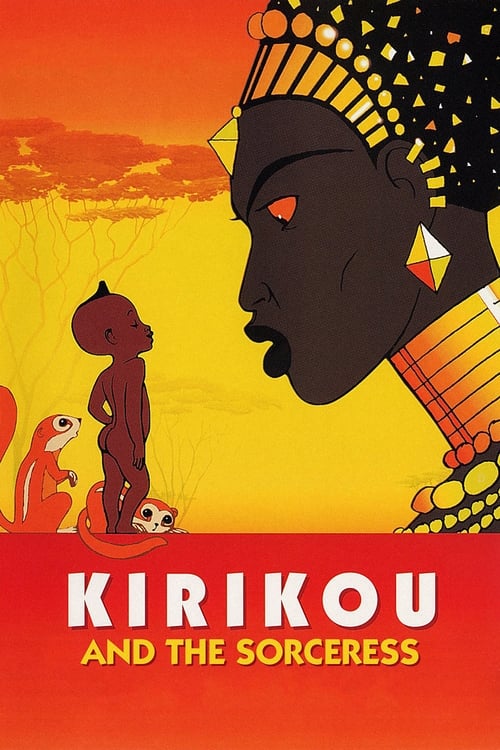
The film features an entirely West African cast and setting. It avoids Eurocentric designs and uses diverse skin tones and traditional patterns to create an authentic atmosphere.
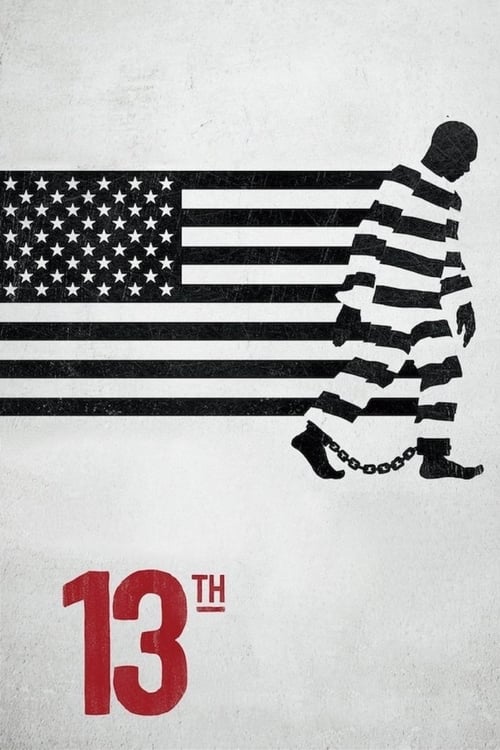
The film provides exceptional representation by centering the Black experience within the American legal framework. It traces racial subjugation from slavery through modern mass incarceration with sophisticated historical depth.
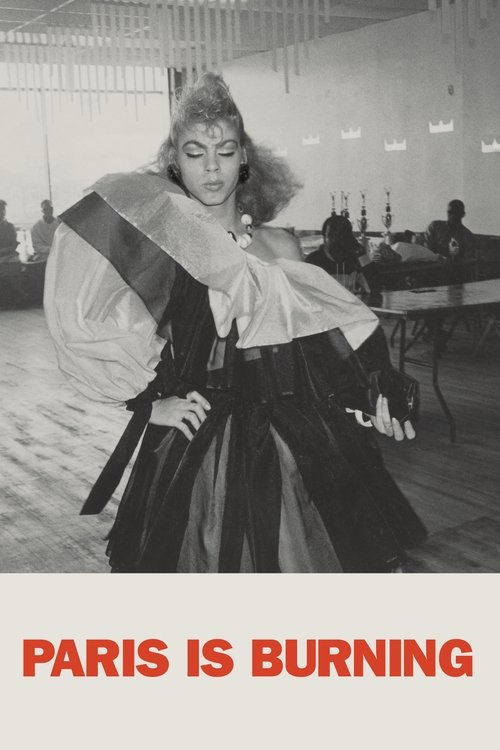
The documentary centers on Black and Latinx identities, exploring how race intersects with class through the concept of 'realness' and socioeconomic archetypes.
This documentary centers the Black experience through powerful archival footage, effectively challenging the notion of American exceptionalism and systemic white supremacy.
The film centers around the Black experience through its main character, Carter, using a time-loop to highlight systemic racial issues.
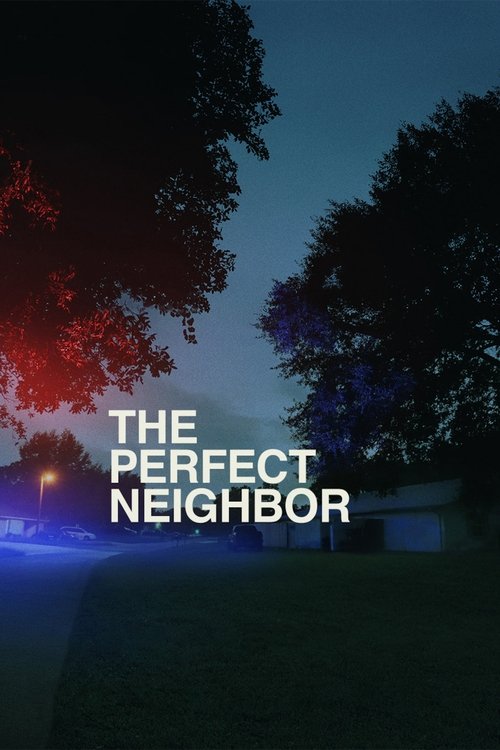
The documentary addresses racial the way different parts of someone's identity overlap by documenting a fatal dispute between a white woman and a Black neighbor. It emphasizes prejudice and the systemic devaluation of Black life, highlighting the disproportionate use of lethal force.
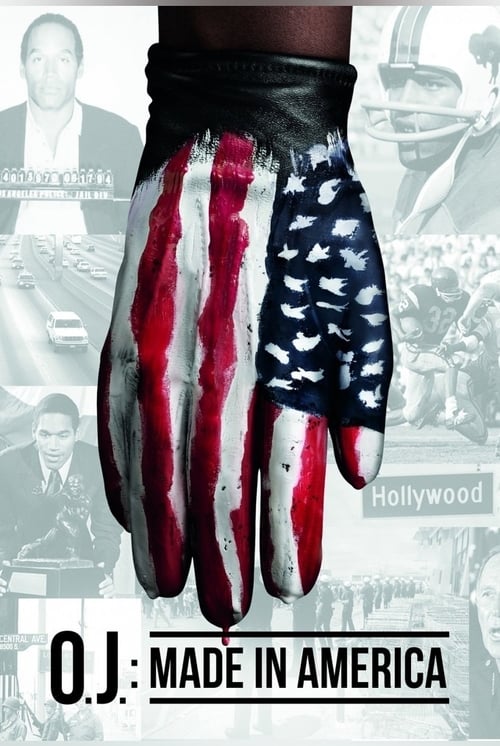
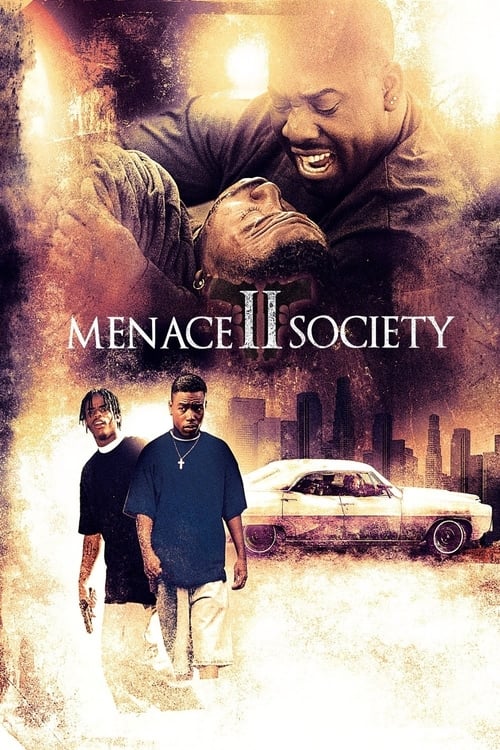
This film provides a thorough look at the Black experience in America. It goes beyond including someone from a minority group without giving them real depth to analyze how racial identity is shaped and controlled in Los Angeles.
Miles Morales serves as a central Afro-Latino figure, moving away from the traditional white superhero archetype. The cast includes characters from around the world, emphasizing diversity as a foundational element.
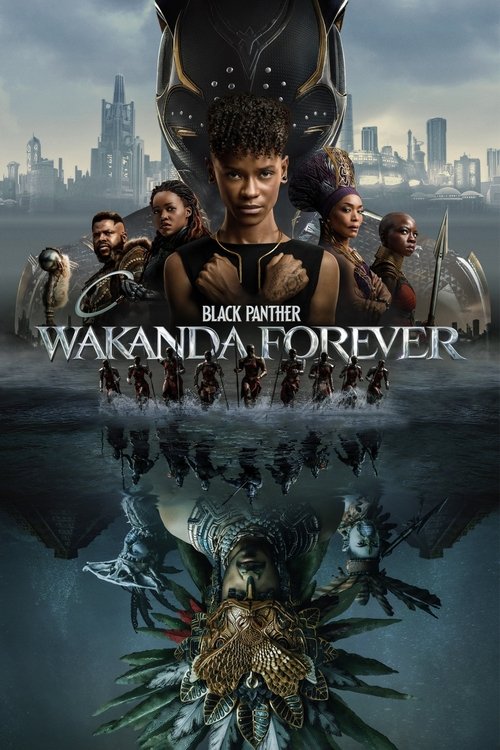
The film stands out by featuring a predominantly Black cast and introducing the Mesoamerican-inspired Talokanil. This challenges Western-centric storytelling by framing the conflict as a clash between sovereign, non-Western identities.
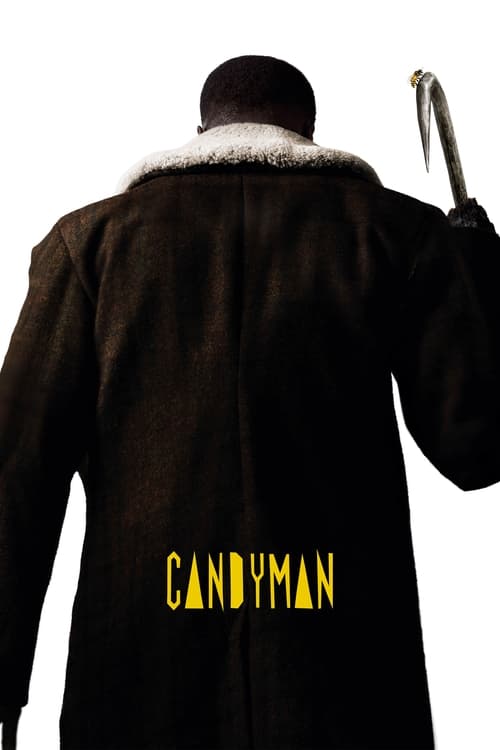
The film centers the Black experience through a predominantly Black cast. It reimagines the monster as a symbol of historical racial terror and systemic violence in an urban setting.
The film highlights the ability to act of a Black protagonist, exploring the complexities of Black identity and socioeconomic struggles. It challenges simplistic views of underrepresented communities.
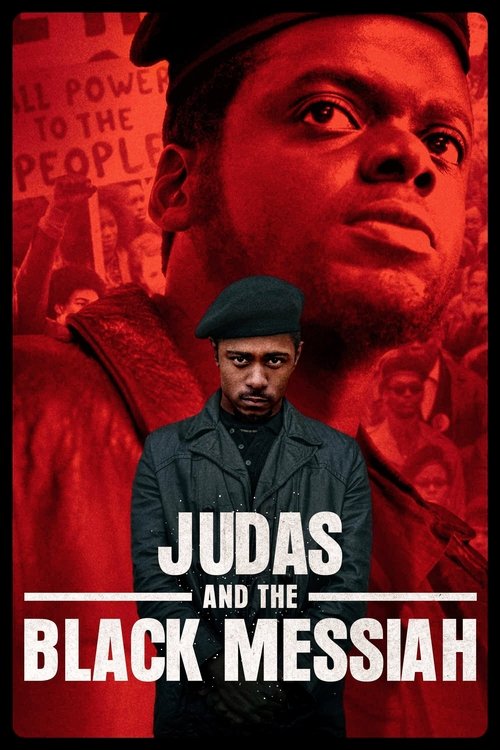
The film centers on the Black working-class experience in 1970s Harlem, providing a deep look at how race and class intersect. It critiques the systemic biases and institutional barriers faced by underrepresented communities.
The film offers exceptional racial ability to act with a predominantly Black cast. It centers the Black experience as the fundamental lens of the world, challenging conventional cinematic structures through deep, character-driven exploration.
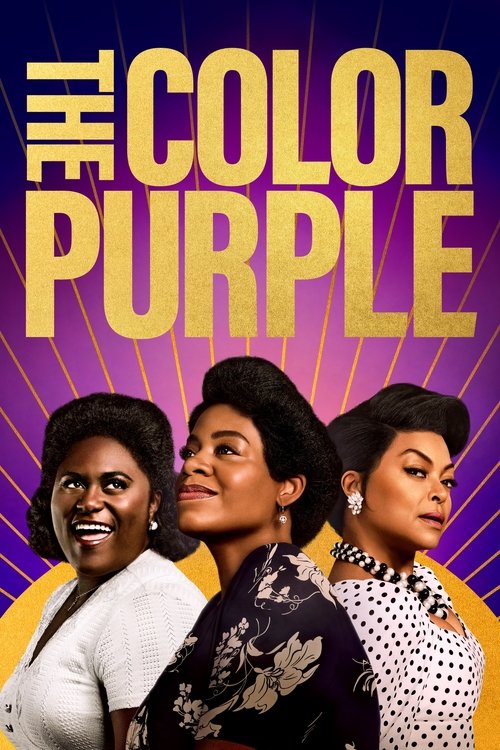
With an all-Black cast, the film focuses solely on the experiences of Black women during the Jim Crow era. It portrays these characters as having significant control over their lives despite the historical context.
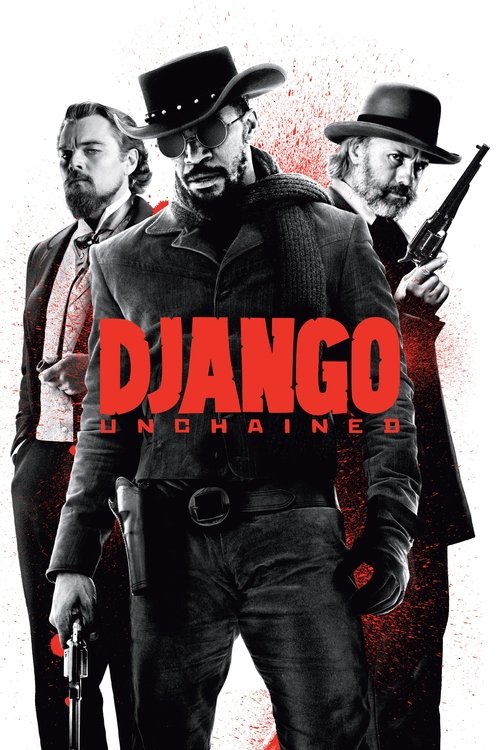
Black characters hold the moral center and physical power. Django and Schultz invert the traditional master-servant dynamic, with the enslaved man becoming the competent hunter.
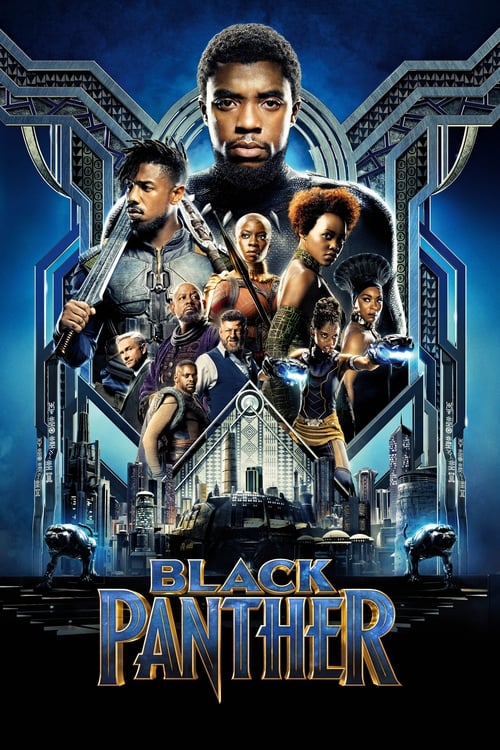
The cast is predominantly Black, with Wakanda depicted as a sovereign, technologically advanced nation. Western characters serve as outsiders who learn from Black expertise rather than leading the narrative.
By highlighting Polynesian mythology and voyaging traditions, the film steers clear of Western-centric discovery clichés. Authentic representation is achieved through casting and design that emphasize Pacific Islander aesthetics.
The film features an all-Asian cast and uses Chinese mythology to avoid including someone from a minority group without giving them real depth. It provides a nuanced look at the Chinese-American experience.
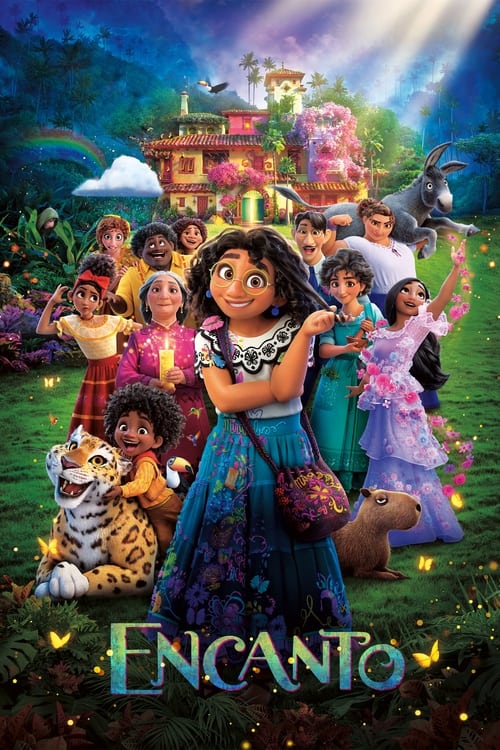
This film is an exceptional model of cultural specificity. It features a predominantly Afro-Latino and Mestizo cast within a deeply realized, authentic Colombian setting.
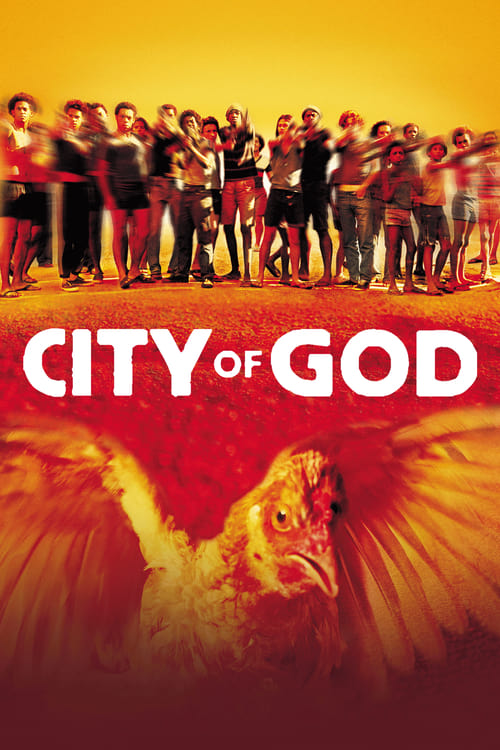
The film features a predominantly Black and mixed-race cast, which authentically represents the lived experiences of underrepresented Brazilian populations.
The film focuses on an entirely Indigenous cast and setting. It avoids the white savior cliché, showing the Comanche as a sovereign, complex society with their own internal logic.
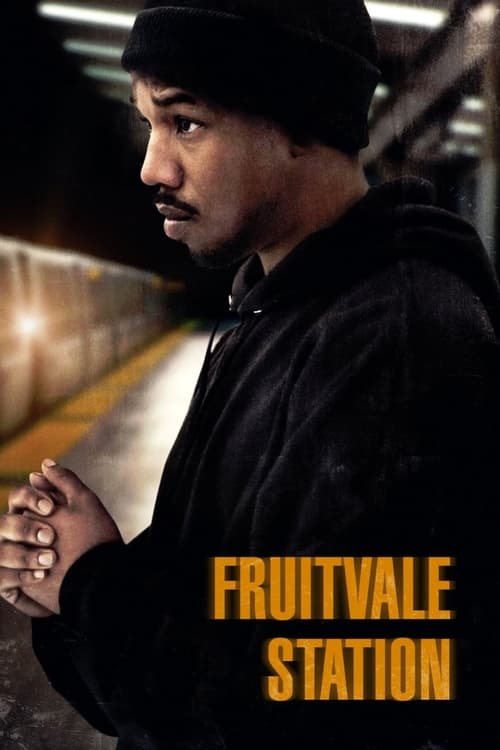
The story focuses on the lived experiences of Black men in urban settings, featuring a predominantly Black cast. Racial identity is integral to character development, avoiding including someone from a minority group without giving them real depth.
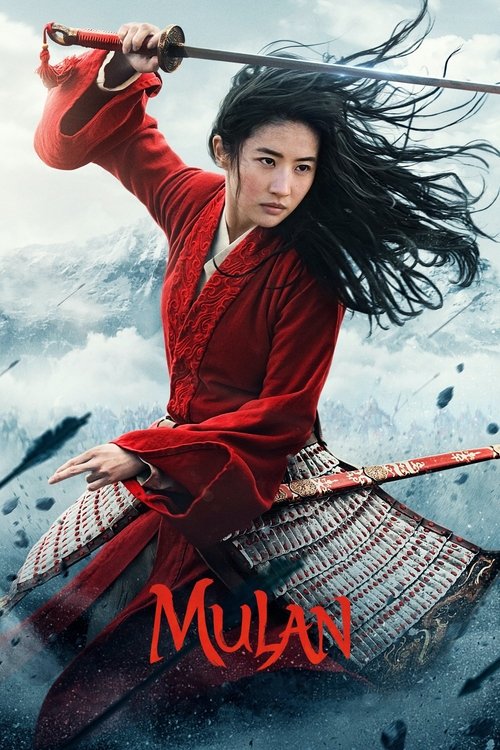
The film features an all-Asian cast, avoiding whitewashing and ensuring a non-Anglo-centric portrayal of Imperial China. This casting choice emphasizes cultural authenticity.
The lead cast includes diverse racial and ethnic backgrounds, successfully modeling characters who reflect more than one aspect of diversity. Kamala Khan’s character provides a nuanced look at the Pakistani-American immigrant experience.
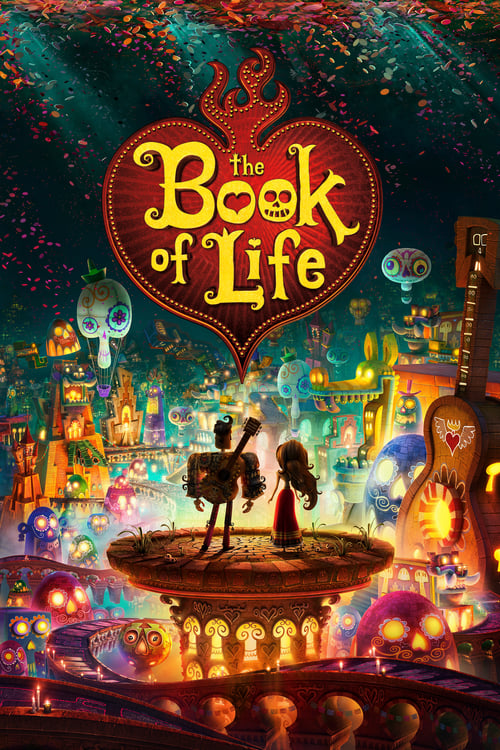
The film is a profound celebration of Mexican culture. It uses folk-art aesthetics and a Latino cast to create a deeply immersive cultural experience.
The entire cast is Black, exploring the Black experience in 1950s Pittsburgh. The film uses the Negro Leagues to highlight systemic exclusion and racial barriers.
This film stands out by featuring a predominantly non-white cast, providing deep and complex psychological profiles to its Black protagonists, and avoiding typical caricatures.
The film centers around a predominantly Black cast and explores diverse socioeconomic backgrounds. It avoids monolithic portrayals by showcasing the complexities of the Black experience in various settings.
The film features an entirely African cast, avoiding the typical white savior cliché. This approach provides authentic and deep character development without a Western perspective.
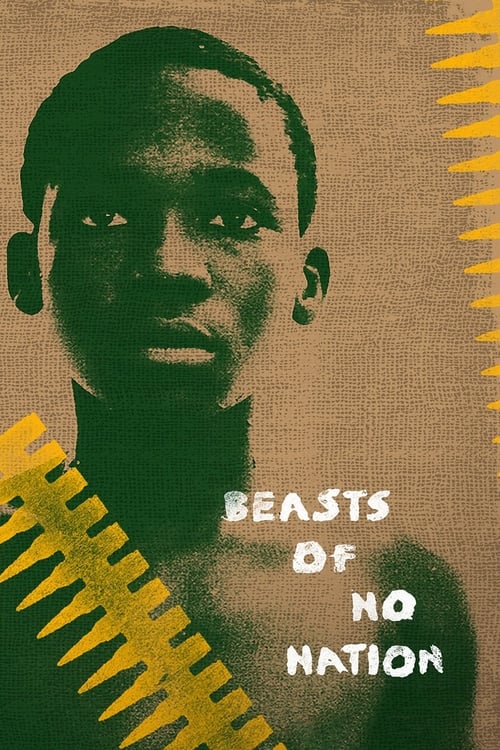
The film features an all-Black, Malawian cast, achieving exceptional representation. It avoids the Western perspective by focusing on a Black protagonist in a realistic rural setting.
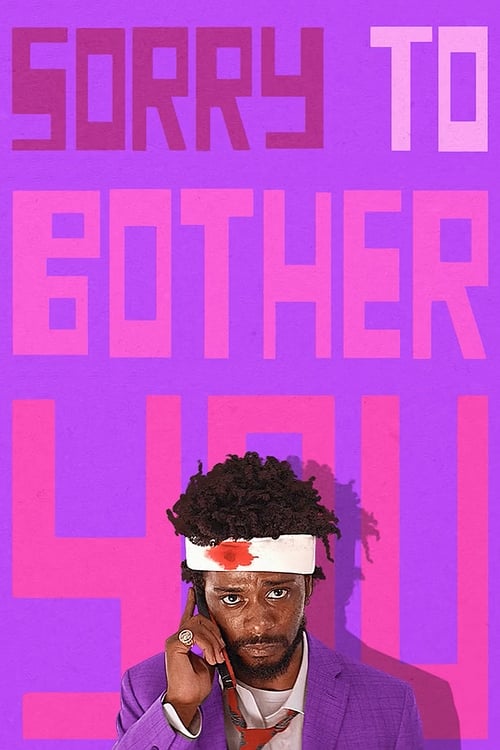
The film centers the Black experience in an alternate Oakland, featuring a predominantly Black cast. It uses surreal imagery to critique racial performance and assimilation.
An all-Black female ensemble serves as the narrative center, avoiding including someone from a minority group without giving them real depth through deep character development. The Essence Festival setting celebrates Black joy without centering a white perspective.
An all-Asian cast provides an authentic perspective on the Chinese experience. It avoids outsider viewpoints, centering the complexities of the Chinese-American experience.
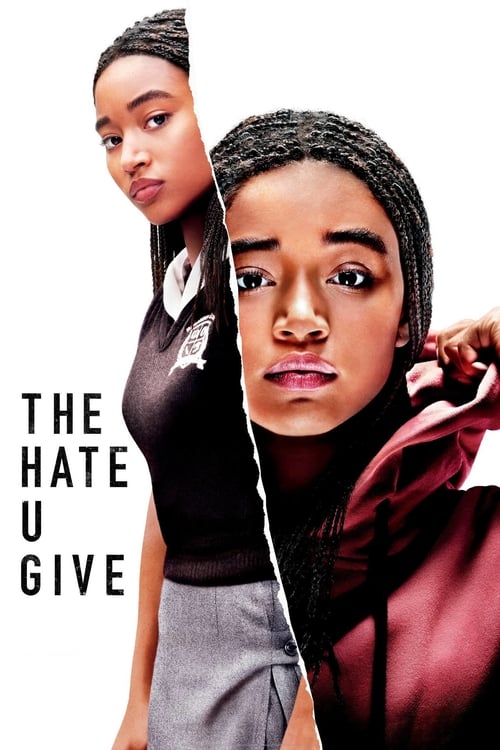
The film offers excellent representation by centering a Black protagonist and featuring a predominantly Black cast. It avoids including someone from a minority group without giving them real depth by giving characters of color significant roles and depth.
The film provides a critical look at the commodification of racial experiences and the publishing industry's tendency to exploit trauma. It counters systemic stereotypes by focusing on a Black intellectual protagonist.
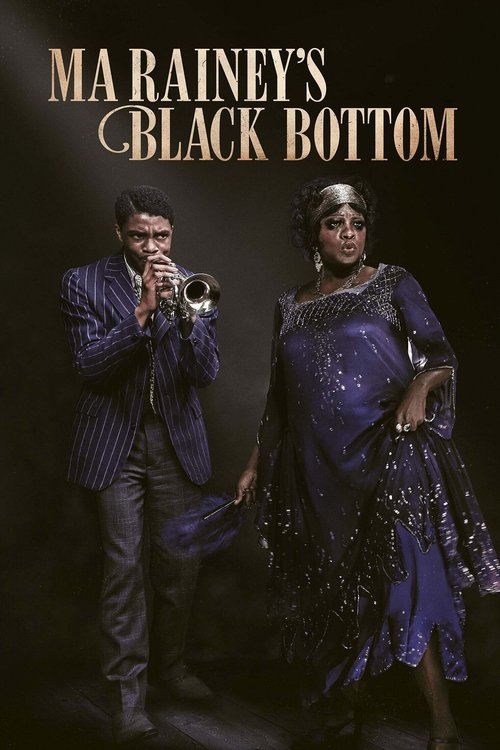
The film features an entirely Black cast, highlighting Black experiences during the Jim Crow era. It examines the exploitation of Black creators within the recording industry.
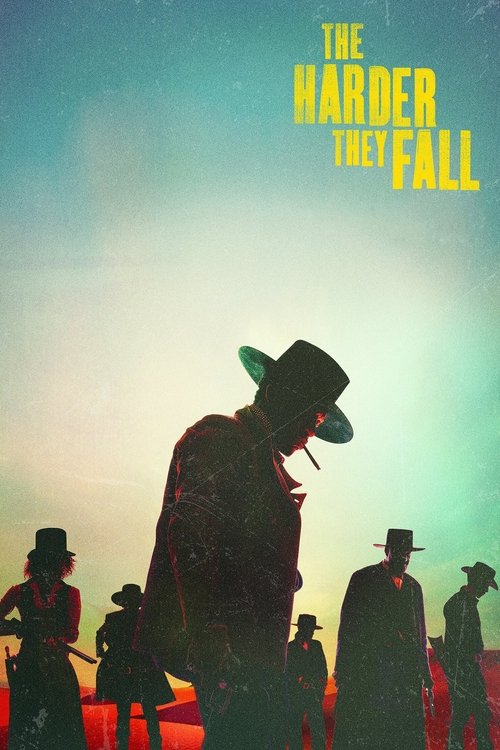
The film centers a predominantly Black cast, providing a radical reclamation of the Western genre. Black cowboys and outlaws are the main drivers of the story.
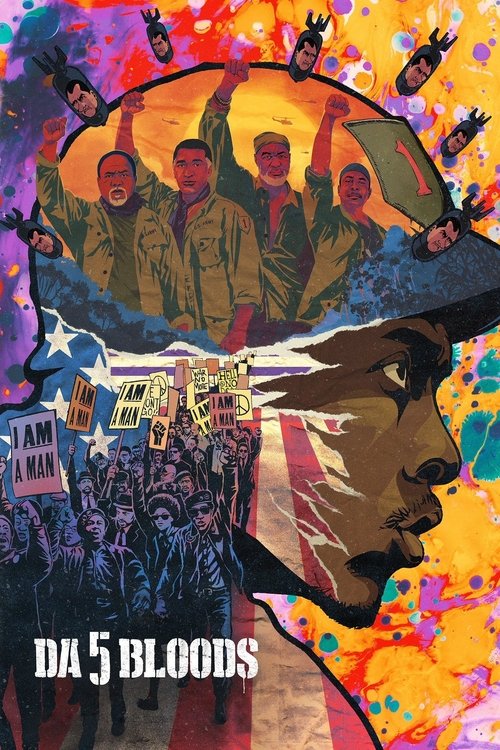
The film highlights the often-overlooked experiences of Black soldiers by using a non-white majority cast. It disrupts conventional Western war narratives.
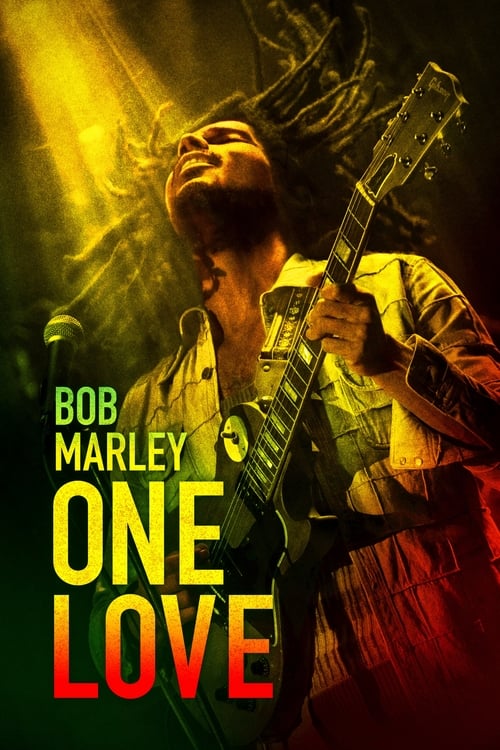
The film centers the Black experience and Jamaican identity. It uses a predominantly Black cast to challenge traditional Anglo-centric musical biopics.
The film achieves exceptional representation by centering a Black protagonist and an all-Black primary cast. It uses a period setting to critique the historical erasure of the Black experience.
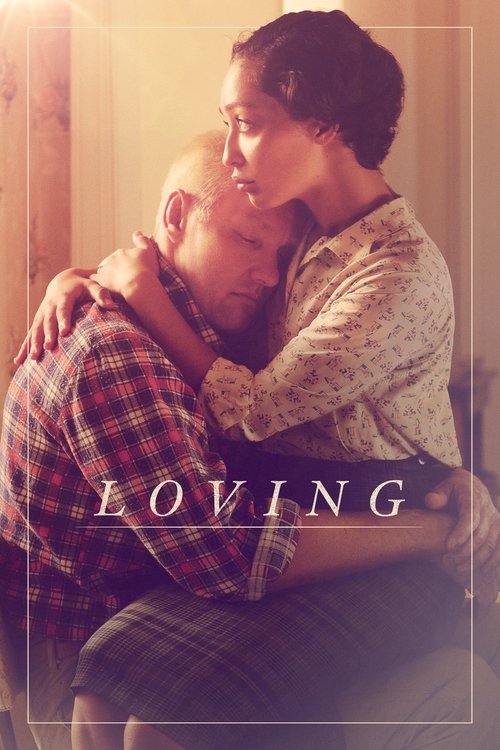
The narrative centers on the experiences of an interracial couple, challenging conventional historical portrayals of the American South. Mildred Loving is portrayed as a non-white protagonist with significant influence.
The film showcases an all-Black cast, providing a nuanced and empowering portrayal of Black identity and lived experiences in Watts. It challenges dominant cultural narratives.
The film highlights the ability to act of a Black woman, avoiding the white savior cliché. It focuses on the lived experiences of African Americans during the time period.
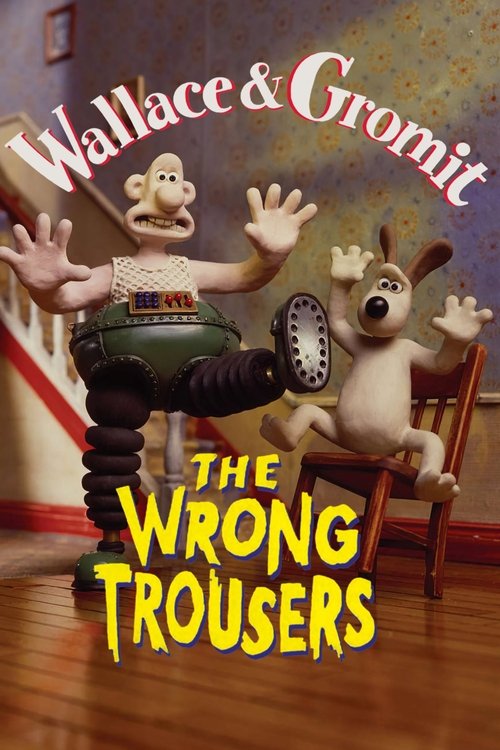
The main characters are toys without specified racial identities. No human characters of color are confirmed in key roles, and no race-bent casting is documented.
The available information provides no details regarding the racial composition of the cast. There is no evidence of diverse casting or specific ethnic backgrounds.
Since the film features bird characters, there are no human racial or ethnic identifiers. The journey to Jamaica serves as a setting without delving into diverse identities.
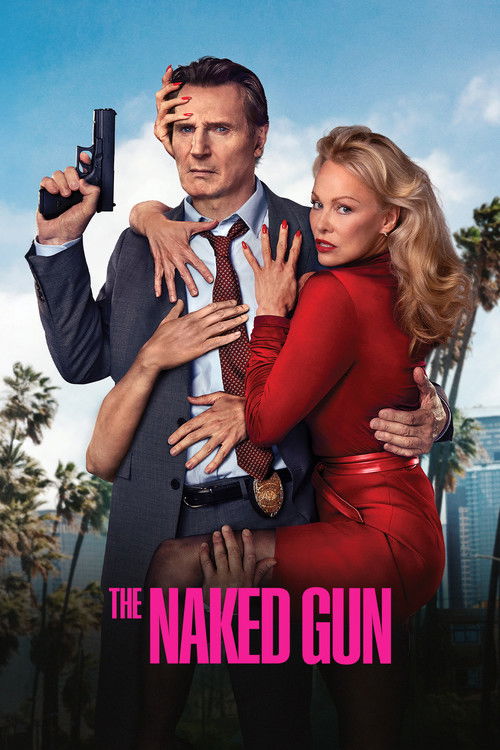
Details about the supporting cast and the racial makeup of the Police Squad are unknown. It is uncertain if the film includes a diverse ensemble to modernize the franchise.
The provided context does not offer verifiable details regarding the racial composition of the cast. Without evidence of a non-Anglo-Saxon majority, no score can be accurately assigned.
Since the characters are all sandpipers, there is no depiction of racial or ethnic diversity, nor are species used as metaphors for human differences.
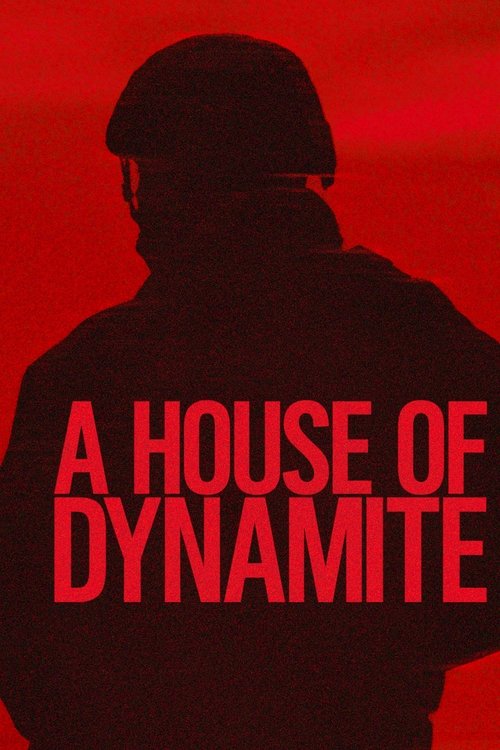
The global scale of a missile strike offers a chance to explore international tensions. However, specific casting details or non-Anglo-Saxon representation have not been confirmed.
The narrative does not specify the ethnicity of the main character or his father. Therefore, the racial and ethnic backgrounds of the characters remain unspecified.
The available information does not provide sufficient evidence to evaluate racial or ethnic diversity. No specific patterns regarding casting or representation can be confirmed.
Since the film is a documentary about avian species, there is no racial or ethnic casting. These concepts are not relevant to the subject matter.
The narrative does not engage with racial or ethnic identity. The domestic setting avoids any commentary on race or the intersection of diverse cultural backgrounds.
The cast is entirely Korean, reflecting the film’s South Korean setting. No characters of color appear in reported scenes or credits.
There is no indication of a diverse cast or non-Anglo-Saxon characters. The story is centered around a character named Cathy Reed, reflecting a Western-centric perspective.
Since the characters are non-human geological formations, the film does not engage with racial or ethnic representation. The tropical setting does not involve human social structures.
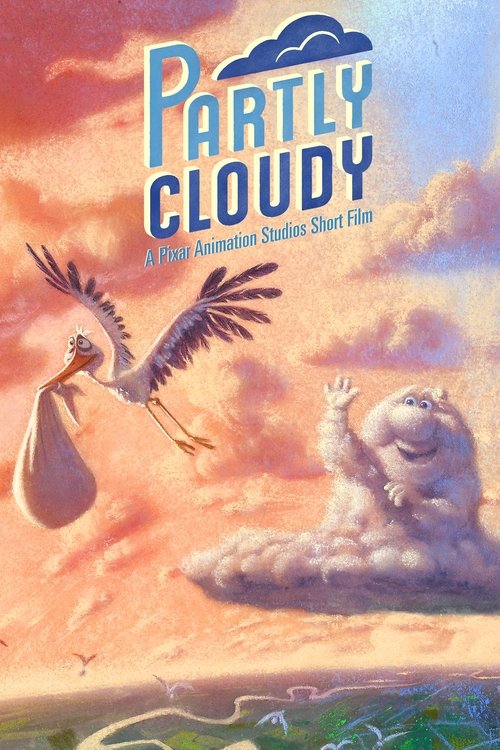
The celestial setting includes only clouds and birds, so the film does not address human racial, ethnic, or ancestral identities.
The available information provides no details regarding the racial or ethnic composition of the cast. Consequently, no assessment of racial diversity can be made.
The cast includes only a human magician and an animal, preventing any meaningful engagement with racial or ethnic identities.
The provided information does not offer sufficient data regarding the cast's racial or ethnic composition. Consequently, a definitive score for racial diversity cannot be assigned.
There is no mention of the racial makeup of the cast. The film does not show evidence of diverse ethnic groups or make intentional efforts to include racial diversity.
No information is available about the racial or ethnic makeup of the cast. There is no confirmation of a diverse or predominantly non-Anglo-Saxon cast.
The cast does not show significant racial diversity. The story does not emphasize multi-layered racial dynamics.
Due to the abstracted visual style, specific racial or ethnic identities are not clearly represented in the film.
The urban setting in the film is generic and does not highlight any specific racial or ethnic backgrounds. There is no mention of diverse casting.
The narrative does not specify the racial or ethnic identities of the cast or the setting. Consequently, the ethnic composition of the royal court remains unstated.
The cast list suggests a diverse ensemble, but the narrative context is missing. We cannot determine if racial identities influence character arcs or thematic depth in the story.
The film is a localized Belgian drama featuring a primarily white cast. It does not engage with racial or ethnic diversity, though it avoids the use of racial stereotypes.
The setting is a Nordic wilderness, but there are no specific details about the racial or ethnic backgrounds of the characters, so no demographic information is available.
The provided context offers no information regarding the racial composition of the cast or setting. No evidence of non-white majority casting is available.
The film does not provide information about the ethnicities of its cast. There is no indication of diverse racial representation.
The provided information does not specify the racial or ethnic composition of the cast. Consequently, no definitive assessment of racial diversity can be made.
The provided documentation does not offer specific details regarding the ethnic composition of the cast. No information is available regarding racial dynamics or the use of race as a metaphor.
There is insufficient information to evaluate the racial or ethnic composition of the cast. No specific cultural nuances are provided in the narrative.
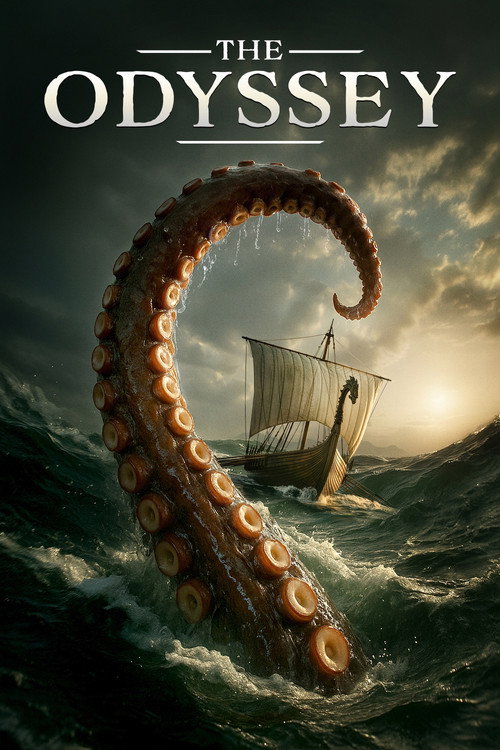
The cast is entirely white. The film uses a traditional, homogeneous cast for this Ancient Greek setting without crossing historical expectations.
No information is available regarding the racial makeup of the cast. There is no data on the identities of the victims, investigators, or the accused.
There is no information available regarding the racial composition of the cast. The narrative does not provide details on the ethnic diversity of the intelligence community depicted.
There is no information available regarding the racial or ethnic composition of the cast. No meaningful racial diversity is evident.
The setting features anthropomorphic animals on a stylized mountain plain. Since there are no human ethnic markers, the film does not address racial diversity.
The anthropomorphic nature of the main characters makes it hard to assess racial or ethnic diversity. The urban setting avoids homogeneous depictions but doesn't actively promote diverse backgrounds.
The narrative concentrates solely on the kidnapping threat and the radio station's crisis. No information is provided about the racial or ethnic backgrounds of the actors.
Since the cast consists of anthropomorphic animals, the film does not address racial or ethnic identity. Adventure Bay remains a homogeneous community.
The provided information does not specify the racial or ethnic composition of the cast or the setting. No data is available to assess this category.
The film does not provide any information about the racial or ethnic makeup of the cast. There is no visible diversity among the characters.
The narrative mentions terrorists and underworld contacts, but there is no specific information about the racial or ethnic backgrounds of the cast.
The synopsis does not provide specific details about the racial or ethnic composition of the cast. Therefore, the demographic makeup of the characters remains unknown.
There is no available information regarding the racial composition of the cast or the ethnic backgrounds of the characters.
As an animation featuring anthropomorphic toy dinosaurs, traditional concepts of racial or ethnic diversity do not apply to the characters.
There is no information about the racial or ethnic makeup of the cast. Therefore, there is no specific evidence to support a score for racial or ethnic diversity.
The narrative provides no details regarding the racial or ethnic composition of the cast. The demographic breadth of the supporting characters remains unconfirmed within the current story details.
There is no indication of a diverse or non-Anglo-Saxon majority cast. The narrative seems to be a localized study without mentioning multi-layered racial dynamics.
The provided information does not offer specific details regarding the ethnic or racial composition of the cast or setting. Consequently, no score can be assigned.