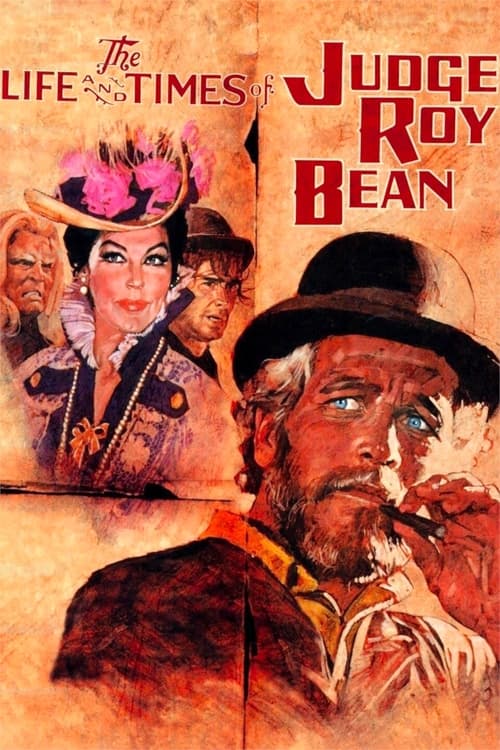
The Life and Times of Judge Roy Bean
1972
No user ratings available yet
Representation score: 4.8 out of 10
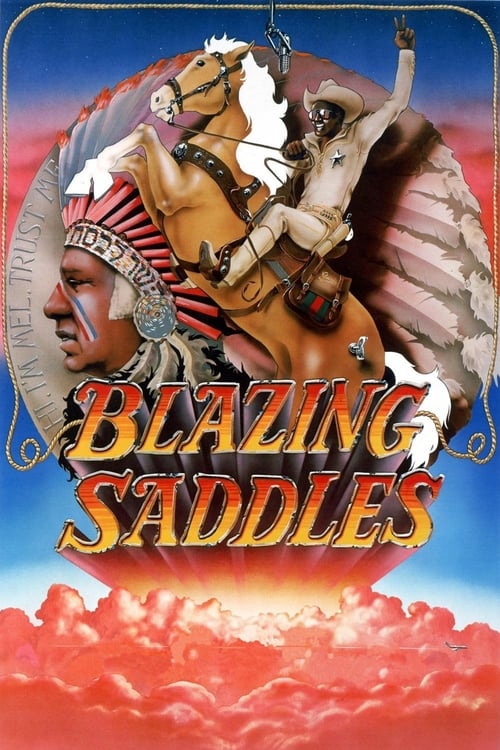
Representation Score
Fair
1974
RDirector
Mel Brooks
Runtime
93 minutes
Average Rating
No ratings yetNew Showbiz Analysis
Blazing Saddles is a landmark of racial and cultural disruption. By placing a Black protagonist in a position of absolute authority, the film fundamentally dismantles the historical cliché of the white Western hero. It uses sophisticated satire to turn systemic prejudice into an object of ridicule. However, the film's impact is uneven across other identities. Gender representation remains limited by the era's genre conventions, leaving women with minimal influence on the plot. Similarly, the lack of LGBTQ+ presence results in a low score for that category. Ultimately, the film succeeds as a tool of social critique. It leverages its high-tier pedigree to challenge perceptions of systemic power and American exceptionalism, making it a vital piece of subversive cinema.
Category Breakdown
The film focuses almost entirely on racial and class-based satire and does not include explicit LGBTQ+ identities or non-cisgender expressions, resulting in a low score.
Female characters play traditional roles with limited influence over the plot. The narrative prioritizes challenging racial hierarchies over addressing gender inequalities within the 1970s Western genre.
The film disrupts Western clichés by casting a Black actor as the central Sheriff. It uses caricatures to mock bigotry rather than reinforcing it.
The story critiques traditional Western institutions and corrupt capitalism. It deconstructs the myth of the West and challenges established power structures through satire.
There are no significant portrayals of visible or invisible disabilities that serve as central narrative elements.
Present on Screen
Limited or Absent
Official Synopsis
Crafty railroad worker Bart becomes the first Black sheriff of Rock Ridge, a frontier town about to be destroyed in order to make way for a new railroad. Initially, the citizens of Rock Ridge harbor a racial bias toward their new protector. However, they warm to him after realizing that Bart and his perpetually drunk gunfighter friend Jim are their only defense against a wave of thugs sent to rid the town of its population.
1972
1939
1991
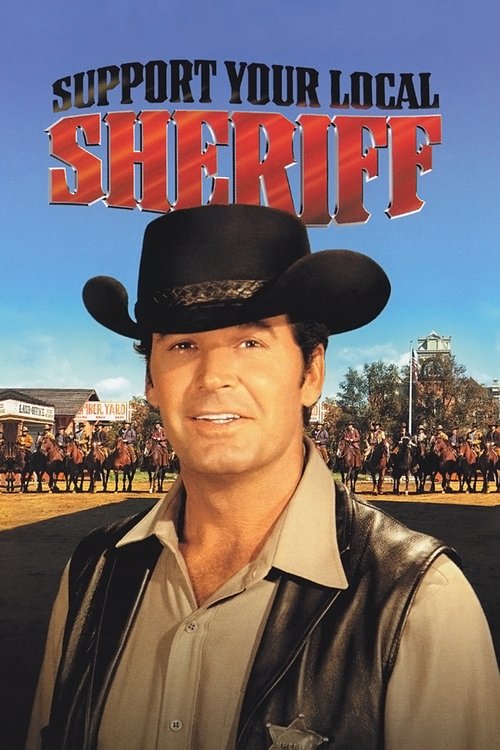
1969
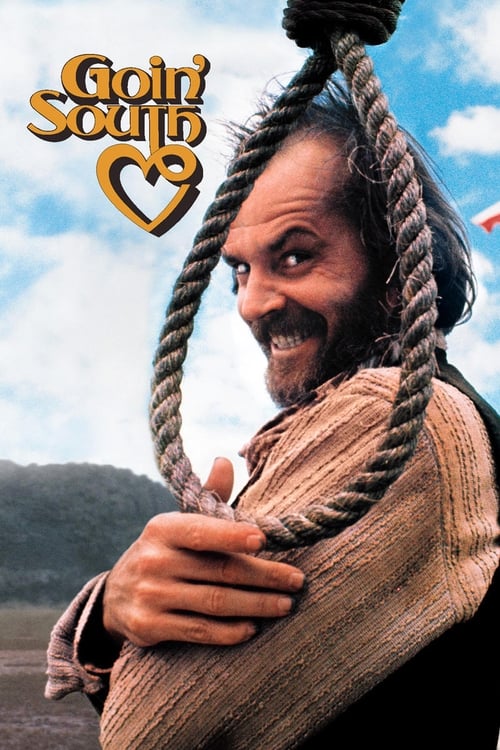
1978
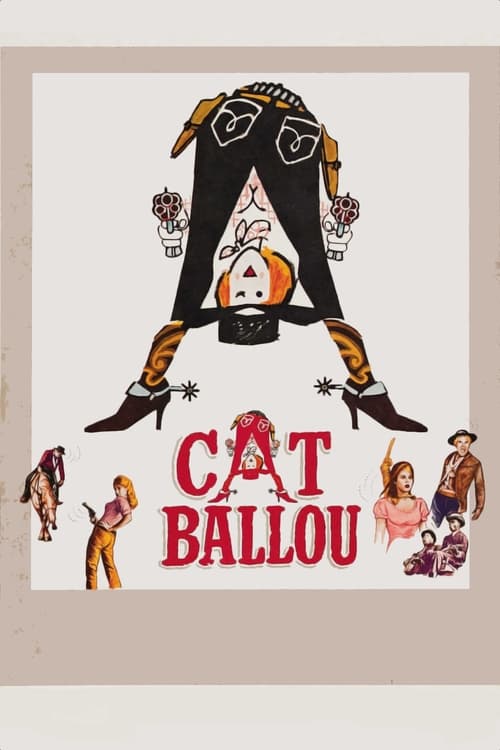
1965
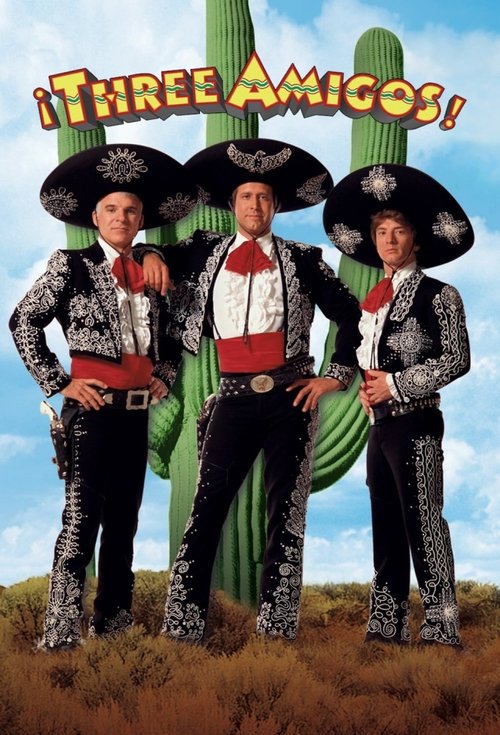
1986
1975
No reviews yet. Be the first to share your thoughts on this movie!
Use the rating form above to leave a star rating and optional review.