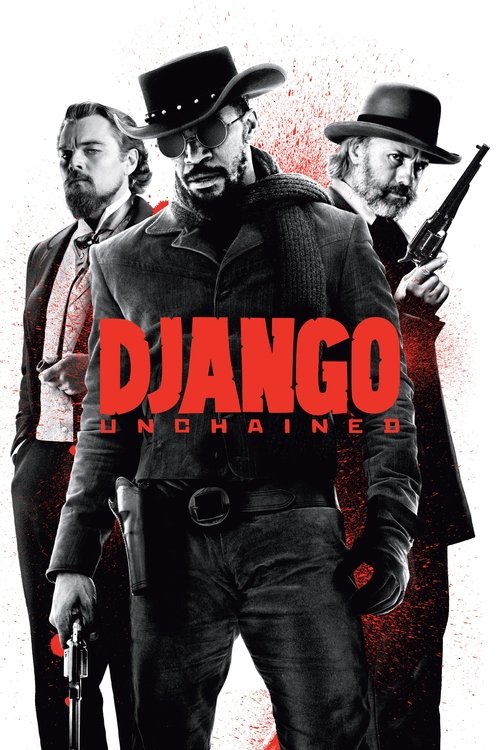
Django Unchained
2012
RNo user ratings available yet
Representation score: 9.5 out of 10
These lists use approved racial and ethnic representation scores for westerns that have written notes. Highest-scoring films are those whose notes describe more on-screen racial and ethnic representation. Lowest-scoring films are those whose notes describe little. Neither list is a quality ranking.
Black characters hold the moral center and physical power. Django and Schultz invert the traditional master-servant dynamic, with the enslaved man becoming the competent hunter.
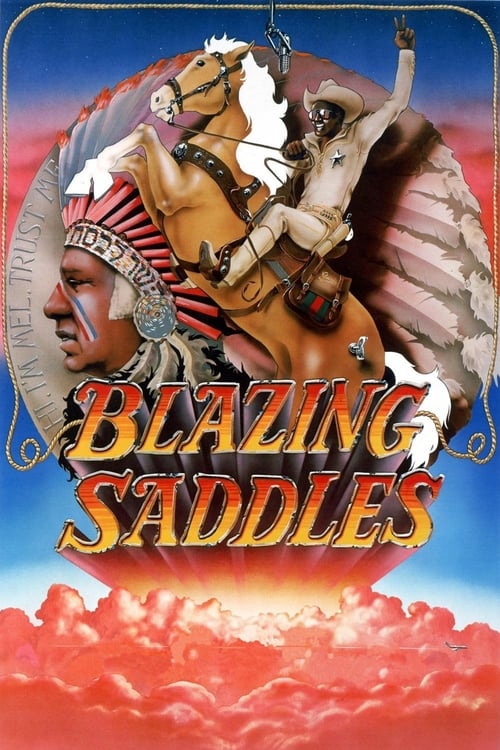
The film disrupts Western clichés by casting a Black actor as the central Sheriff. It uses caricatures to mock bigotry rather than reinforcing it.
The film centers a predominantly Black cast, providing a radical reclamation of the Western genre. Black cowboys and outlaws are the main drivers of the story.
The film stands out by focusing on a predominantly Latina cast within the Western genre. It emphasizes Mexican cultural identity and uses the setting to highlight the characters' cultural pride and independence.
The film features a key partnership between a Black man and a white man, along with a Chinese immigrant character who is shown to have professional skills and ability to act.
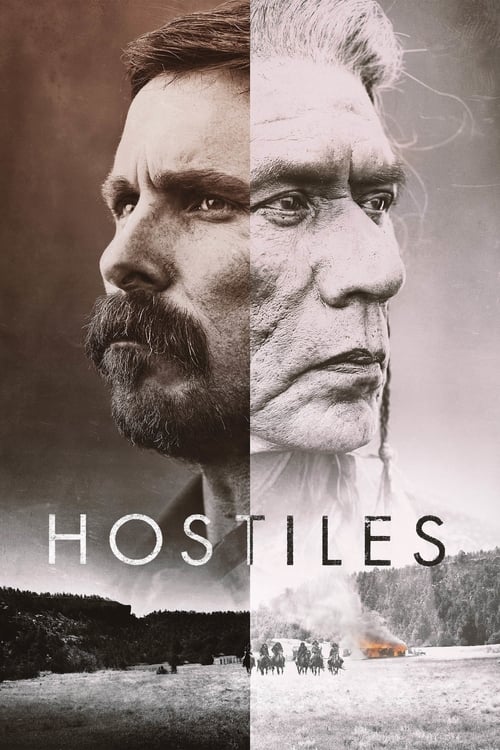
This film breaks the typical white perspective of the Western genre by presenting Indigenous populations as a sovereign, complex society. It avoids relegating Indigenous peoples to mere background elements.
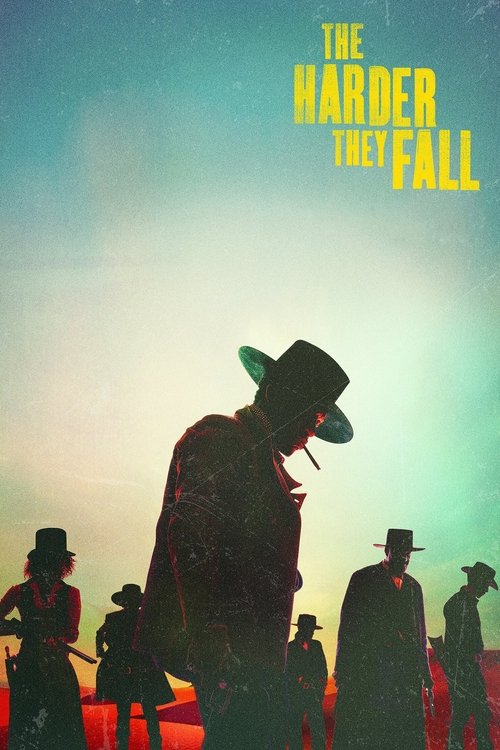
The film disrupts Western clichés by centering a Black man with significant authority and ability to act. Racial tension serves as a primary driver of the plot.
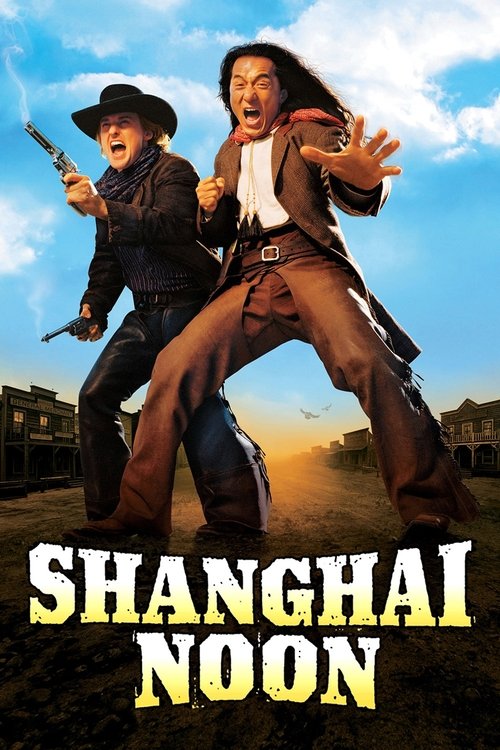
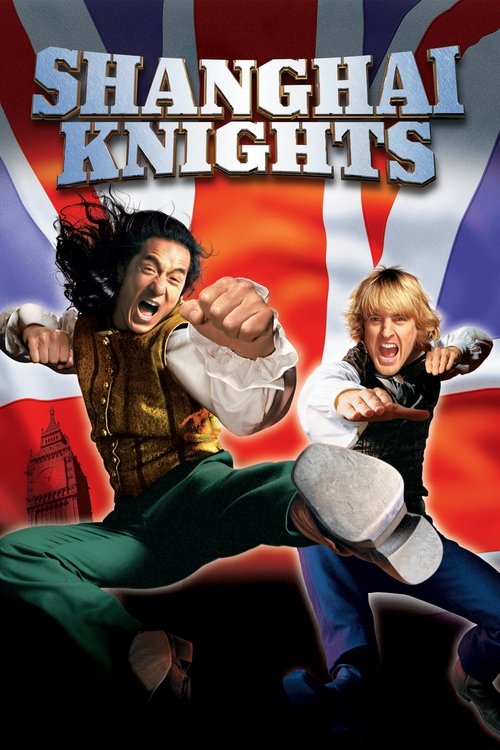
An interracial partnership between a Chinese Imperial Commissioner and an American outlaw challenges the typical Western genre. The film uses Eastern martial arts to break away from Anglo-centric storytelling.
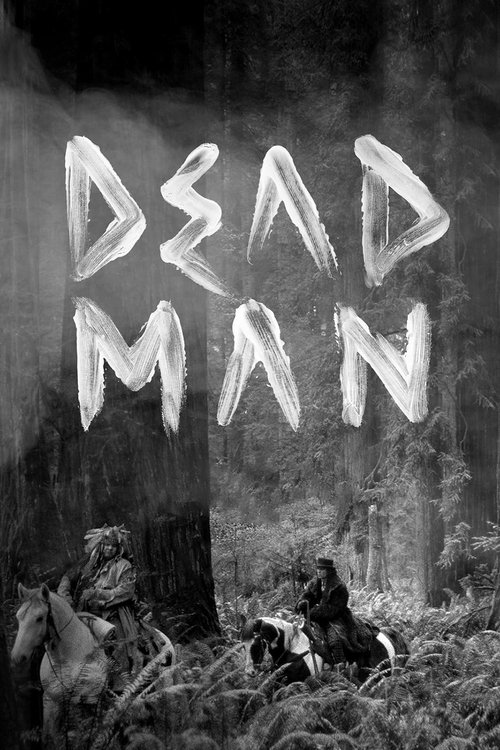
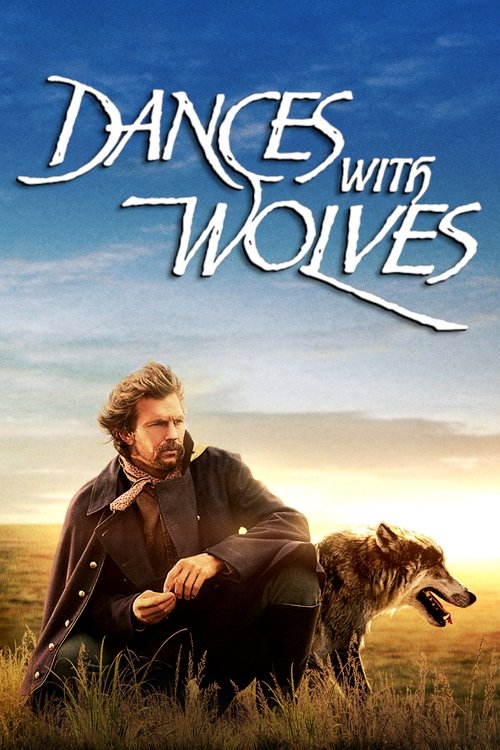
The film stands out by highlighting the interaction between a white protagonist and a Native American character, challenging the traditional Anglo-centric perspective on westward expansion.
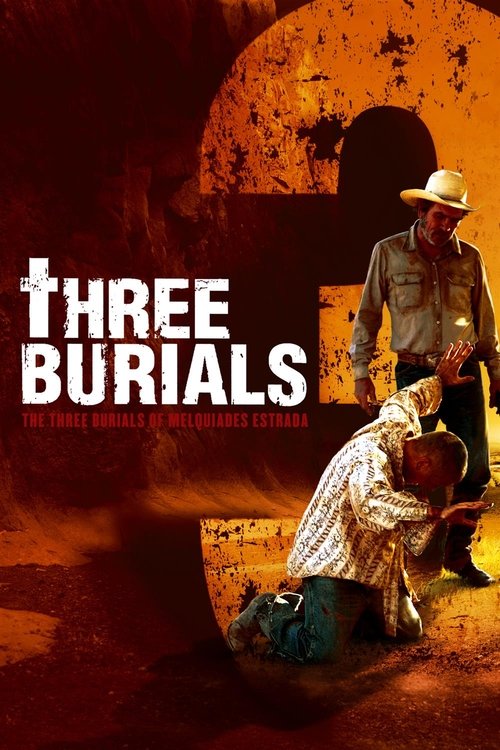
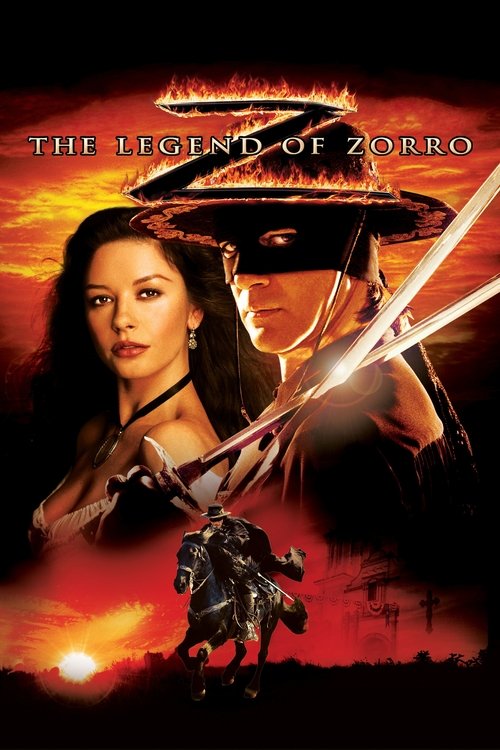
The story disrupts Western clichés by centering the moral core on a white protagonist and a Mexican immigrant, granting a significant role in driving the story and dignity to Melquiades Estrada.
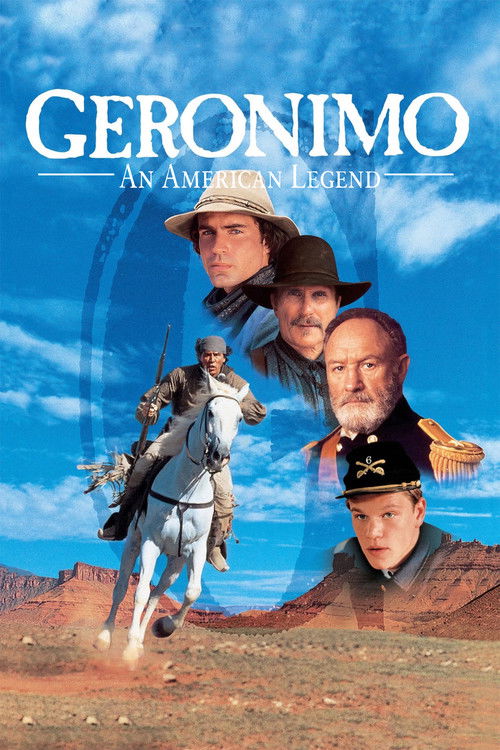
The film highlights the Apache perspective, positioning Geronimo as the central figure in a narrative of indigenous resistance against colonial oppression.
The narrative disrupts Western clichés by centering the intersection of American and Indigenous cultures. Native ability to act and shamanism serve as the central mechanism for the protagonist's character arc.
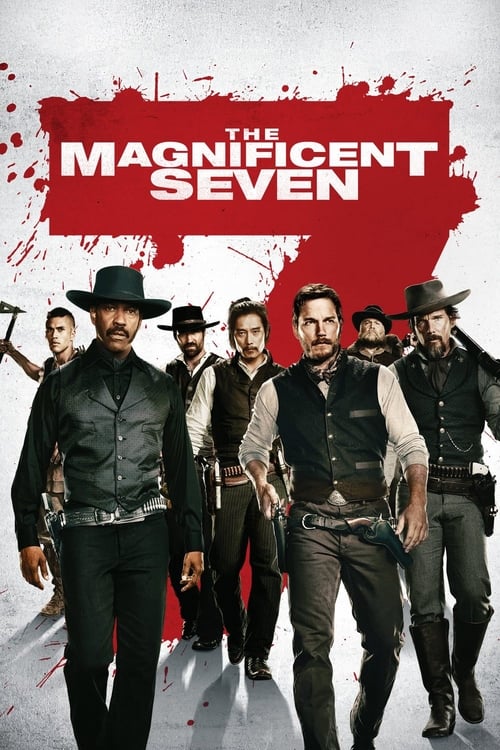
The film breaks the typical Western mold by casting Denzel Washington as the central leader. This diverse cast represents a wider range of the frontier experience.
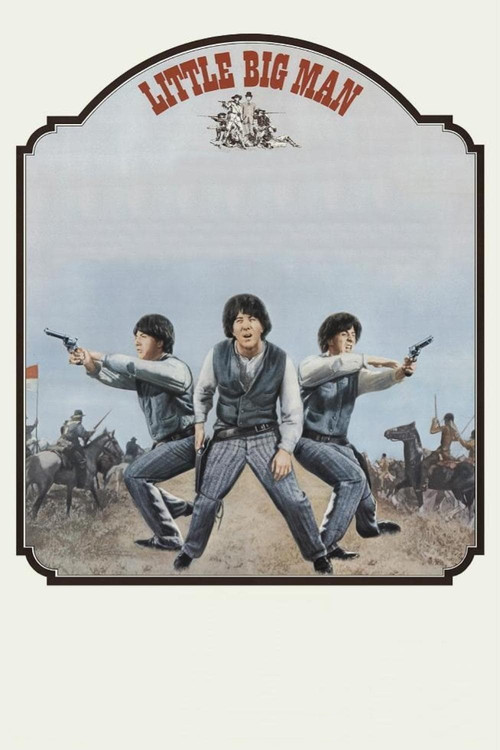
By using a large cast of Native American actors, the film moves away from Anglo-centric stereotypes and portrays the Sioux as a sophisticated, sovereign society.
Will Smith plays James West, breaking the typical mold by featuring a Black lead in a traditionally white genre. Bai Ling's role further adds East Asian representation.
The film challenges Anglo-centric myths by focusing on the systemic violence experienced by Native American communities. It portrays the US Cavalry as an instrument of colonial displacement.
The story uses Jewish-coded mice as a metaphor for the immigrant experience, exploring themes of diaspora and displacement while challenging monolithic views of the American Dream.
The film highlights the displacement and suffering of Indigenous Australians, providing a powerful commentary on the conflict between colonial powers and native inhabitants.
The production avoids the 'homogenous white frontier' cliché by featuring Chinese, Black, and various European ethnicities. These diverse groups are treated as integral, actively leading participants in the town's evolution.
The story centers on the Irish peasantry, highlighting their oppression under British colonial rule. This perspective critiques the systemic disenfranchisement caused by colonial administration.
The film highlights the friction between White Texans and the Mexican-American community, focusing on socioeconomic struggles and segregation through characters like Refugio Robles.
The story highlights Mexican-American heritage, placing Spanish and Mexican cultural elements at the core of the plot. This shifts the focus away from the traditionally white-centric Western genre.
The film highlights the Indigenous experience and shifts the focus away from Anglo-centric pioneer stereotypes. It provides depth to Cheyenne characters, challenging historical erasure through a significant Native American cast.
The central interracial partnership between a Chinese martial artist and an American adventurer challenges typical Anglo-centric hero models. This pairing offers a meaningful departure from conventional racial hierarchies of the time.
The film excels by depicting the Irish diaspora as a distinct ethnic identity. It disrupts Western stereotypes by centering the conflict between Irish immigrants and the Anglo-Saxon colonial establishment.
Native characters like Hawk and Powaqa hold narrative depth and moral authority. They contrast with flawed white trappers, and Indigenous spirituality is framed as superior to Christian hypocrisy.
The film offers meaningful representation by centering the intersection of Black and Indigenous identities. The character of Brer provides a complex lens for exploring cultural hybridity and displacement.
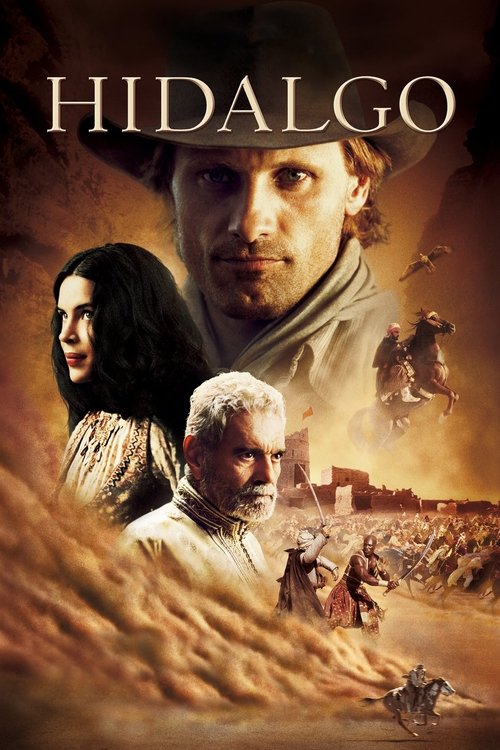
The film disrupts Western clichés by centering an Apache protagonist in a North African setting. This approach provides nuanced ethnic diversity by avoiding the typical colonial conqueror archetype.
The film showcases a rich portrayal of ethnic diversity, highlighting the experiences of Irish and German immigrants. It focuses on the conflicts between these immigrant groups and the land-owning class.
The film centers on Mexican landowners fighting for their land rights, providing strong, active roles for these characters and challenging traditional Western narratives.
The anthropomorphic animals represent various social structures. The town of Dirt mirrors a underrepresented community dealing with social inequalities.
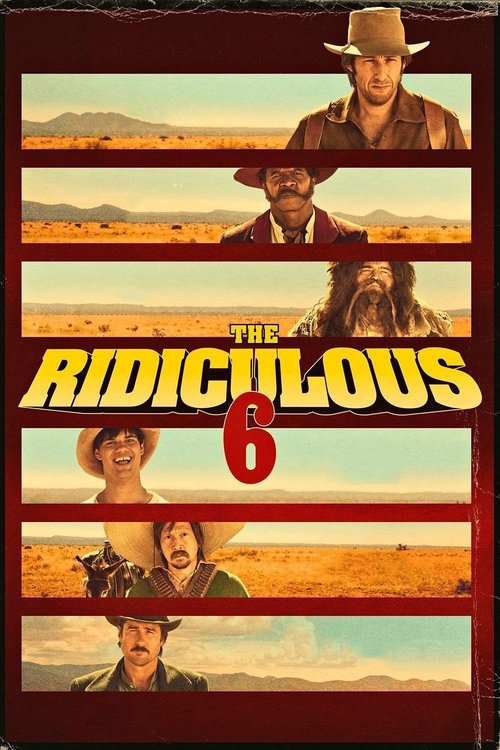
The film includes a diverse group of outcasts from various backgrounds. A Black character named Mel highlights the shared struggles of the group.
The film addresses post-colonial tensions by featuring a significant Mexican presence and examining the friction between American and local populations.
The story includes Native American populations and diverse social outcasts. It critiques the systemic violence associated with Westward expansion rather than presenting a uniform white perspective.
The story focuses on the Mexican peasantry and the reclaiming of indigenous rights. However, casting a white American actor in the lead role reduces the overall racial authenticity.
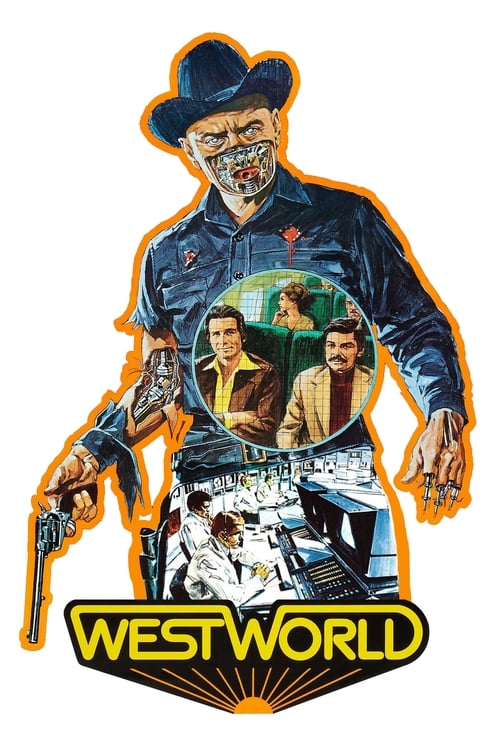
The narrative does not specify the racial or ethnic makeup of the cast. It is unclear whether the speculative setting includes diverse representation.
The cast is made up entirely of white actors, with no effort to include characters from diverse racial backgrounds.
The setting reflects a homogeneous white, Anglo-Saxon demographic typical of mid-century Westerns. There is a notable absence of characters of color or meaningful racial blending in the cast.
The cast is primarily white and Anglo-Saxon. There are few characters of color, and those present have limited influence on the plot.
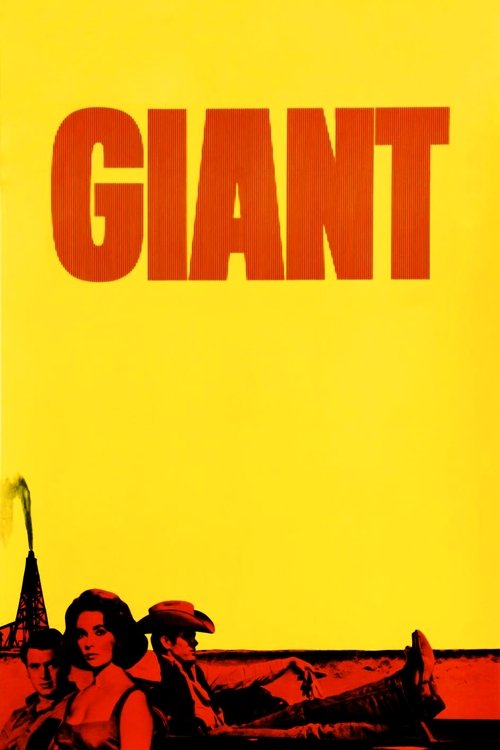
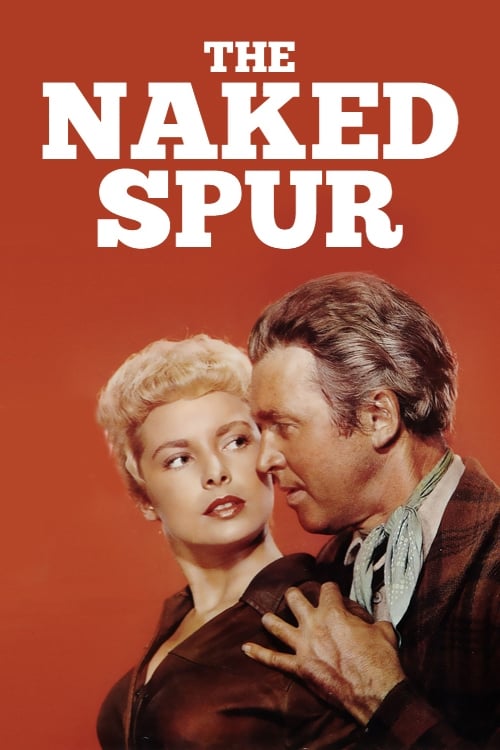
1954
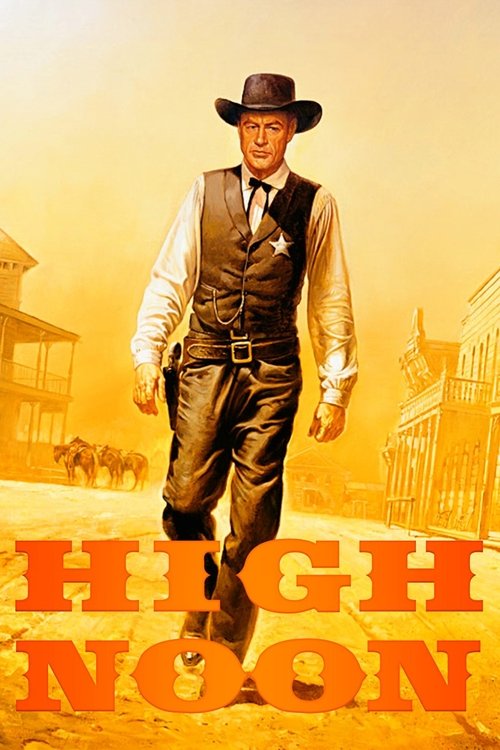
GThe cast is primarily made up of actors from similar backgrounds, reflecting the historical context and production standards of 1954. The film does not include diverse casting or characters from non-Anglo-Saxon backgrounds.
The cast is mainly white and Anglo-Saxon, mirroring the historical demographics of the late 1800s frontier. The narrative does not leverage diverse casting to challenge this uniformity.
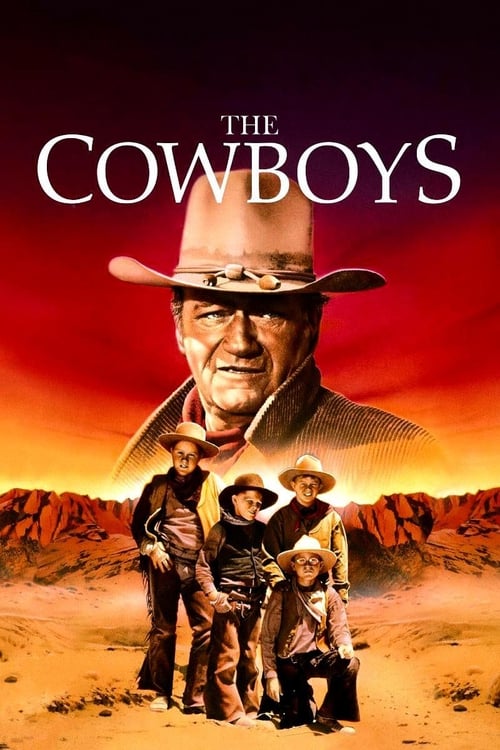
The cast is predominantly white and working class, focusing on socioeconomic differences rather than racial or ethnic diversity.
The cast is predominantly of European descent, reflecting a homogeneous settler population. It lacks diverse casting and perspectives that reflect multiple aspects of identity.
The cast is predominantly white and Anglo-Saxon, reflecting the historical setting. The story centers on the socioeconomic displacement of the white outlaw class without incorporating diverse racial viewpoints.
The cast is predominantly white and Anglo-Saxon, following traditional Western genre conventions. It lacks significant racial or ethnic diversity.
The film features a predominantly white cast typical of 1950s Westerns. Characters of color have limited roles and do not play significant parts in the town's social dynamics.
Indigenous peoples are portrayed through the lens of colonial conflict, often appearing as antagonists.
The casting is mostly uniform, following typical Western genre standards. There is a lack of racially diverse characters or those with high ability to act.
The cast is mostly made up of white, affluent individuals. The setting presents a single, Anglo-centric vision of the frontier without incorporating diverse ethnic viewpoints.
The cast is predominantly white, reflecting the era-specific conventions of the genre. There is no notable racial diversity or varied casting.
The setting reflects a predominantly white, Anglo-Saxon frontier environment. The film lacks significant minority character arcs or intentional color-blind casting.
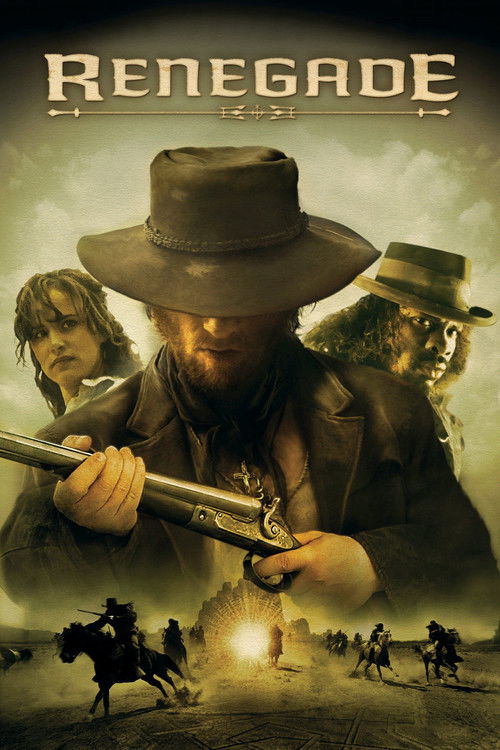
The cast is predominantly white, focusing on the internal dynamics of an Anglo-Saxon outlaw group. It lacks significant multi-layered depth or diverse ethnic identities in positions of ability to act.
The cast is mainly composed of white actors, reflecting a mid-century American perspective on the frontier without much ethnic diversity.
The cast is predominantly white, reflecting the historical constraints of the mid-19th-century American frontier. The film does not utilize diverse casting to expand its demographic scope.
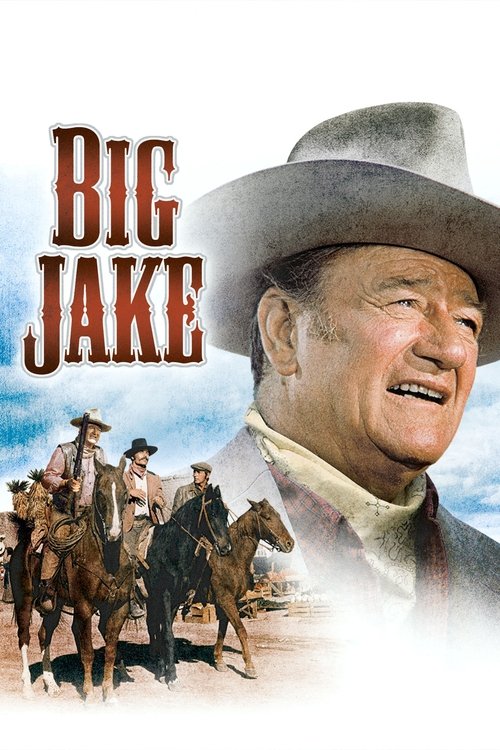
The cast is predominantly white, reflecting the production standards of 1969. The story lacks characters of color with significant roles and ability to act, ignoring the racial complexities of the time.
The cast is mostly white, following traditional Western genre clichés. The film lacks characters of color in key roles.
The cast is predominantly white, reflecting the rural setting but lacking diverse ethnic backgrounds.
The cast is composed of a homogeneous, Eurocentric group, reflecting the era's cinematic norms. The story focuses on white homesteaders and ranchers, ignoring the racial complexities and indigenous displacement of the setting.
The cast is mainly white and Anglo-Saxon. The film does not include meaningful representation of racial minorities or diverse ethnic identities.
The film portrays a predominantly white settler population focused on expanding westward. Indigenous peoples are shown mainly as obstacles to progress or part of conflict-driven subplots.
The cast is predominantly white and Anglo-Saxon. Non-white characters have minimal visibility and do not hold positions of significant influence.
The film features a mostly white, Anglo-Saxon cast. Non-white characters have limited roles and the story presents a uniform perspective of the frontier.
The cast is mostly white and Anglo-Saxon, reflecting the limited ethnic diversity typical of the time period. The film does not feature actors from diverse backgrounds.
The cast is predominantly white males, with no significant characters of color to broaden the social landscape.
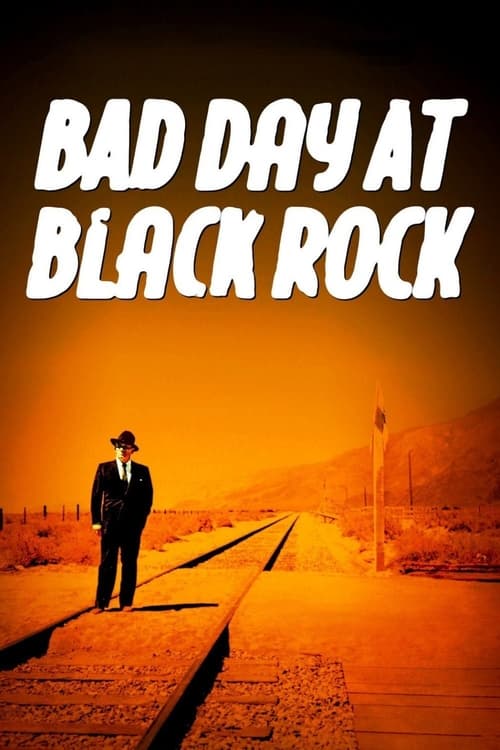
Black Rock is depicted as a homogeneous, insular white community. The film lacks diverse character arcs or color-blind casting, reflecting the era's cinematic constraints.
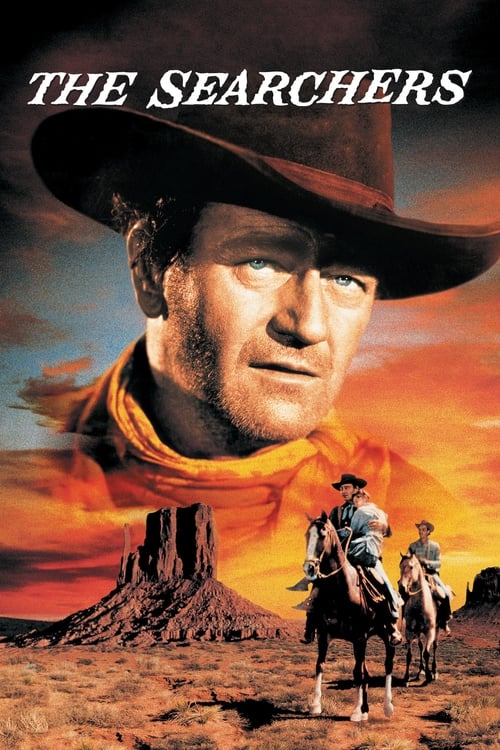
The cast is predominantly white, reflecting the homogeneity of the 1950s. The characters operate within a traditional American frontier context.
The film primarily portrays Anglo-American perspectives. It frames the Mexican military as an antagonist, reinforcing traditional racial and nationalist divisions.
The film features a predominantly white cast, reflecting the social norms of the 1950s. There is little representation of different racial or ethnic backgrounds.
Set in 1896 Wyoming, the film features a predominantly white cast. This portrayal aligns closely with the traditional Anglo-Saxon image of the American West, without introducing diverse racial backgrounds.
The film is set in a homogeneous, rural West Texas environment. The main cast consists of white actors, with no intentional inclusion of diverse racial perspectives.
The film focuses almost entirely on a white settler narrative. It lacks diverse casting and includes no characters from non-Anglo-Saxon backgrounds, leading to a homogeneous portrayal of the frontier.
The cast is mainly composed of white actors, with few characters of color who have significant roles.
The film features a predominantly white, Anglo-Saxon cast. There is a lack of significant racial blending or characters of color with high narrative ability to act.
The story focuses solely on the Anglo-Saxon experience of the Texas Hill Country and does not explore the region's diverse racial landscape.
The cast is predominantly white, reflecting the historical demographic of the outlaw gang. The film maintains a traditional approach to the racial composition of its protagonists, with little diversity.
The cast is fairly uniform, reflecting the historical context of the Civil War era. There is no diverse ethnic representation or multi-layered casting to enrich the storyline.
The cast is primarily white and Anglo-Saxon. There are no substantial roles for characters of diverse racial backgrounds.
The cast is primarily white, depicting a homogeneous vision of the American frontier. Characters of color have limited influence in the main storyline.
The film focuses almost exclusively on a homogeneous white, working-class demographic. The central plot lacks significant characters of color or diverse casting.
The film presents a homogeneous social landscape focused almost exclusively on a white, Anglo-Saxon demographic. There is a lack of non-white characters with meaningful roles.
The cast is primarily made up of actors from similar backgrounds, reflecting the limited diversity of the time. There is no meaningful representation of non-white identities in key roles.
The cast is made up mainly of white settlers and outlaws, with no significant roles for characters of color or multi-layered backgrounds.
The cast is predominantly white and Anglo-Saxon, reflecting the specific frontier setting. There is no integration of diverse ethnic identities within the main character arcs.
The setting features a largely homogeneous, white, rural working-class population. The narrative focuses on class-based identity rather than diverse demographics.
The story focuses on a predominantly white, Anglo-Saxon society. Non-white characters play minor roles, with the emphasis on white men building political systems.