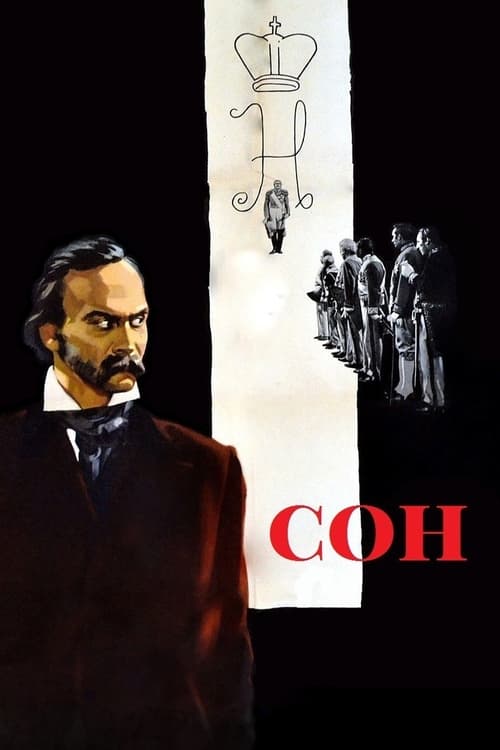
A Dream
1964
No user ratings available yet
Diversity score: 6.8 out of 10

1969
Not RatedDirector
Sergei Parajanov
Runtime
80 minutes
Average Rating
No ratings yetSynopsis
The life of the revered 18th-century Armenian poet and musician Sayat-Nova. Portraying events in the life of the artist from childhood up to his death, the movie addresses in particular his relationships with women, including his muse. The production tells Sayat-Nova's dramatic story by using both his poems and largely still camerawork, creating a work hailed as revolutionary by Mikhail Vartanov.
Overall Score
Good
Category Breakdown
LGBTQ+ Representation
The film prioritizes spiritual and poetic abstraction over explicit identity politics. While it focuses on the poet's relationships with women, the ritualized presentation avoids modern heteronormative tropes. No queer-coded narratives are present.
Gender Representation
Women appear through sacred iconography and poetic musehood rather than domestic roles. The film rejects naturalistic, patriarchal storytelling structures in favor of symbolic, ritualistic tableaux. It avoids traditional Western gender hierarchies.
Racial & Ethnic Diversity
This work is an exceptional achievement in ethnic-centric storytelling. By centering the Armenian experience through miniature painting aesthetics, it elevates a specific cultural identity. It serves as a profound reclamation of heritage.
Religious & Cultural Diversity
The narrative prioritizes subjective, poetic truth over institutional morality. Its use of religious imagery favors aestheticized spirituality over dogma. The film implicitly critiques state-mandated cultural uniformity through individual expression.
Disability Representation
There is no significant evidence of characters with visible or invisible disabilities being utilized as plot devices or central figures.
Strengths
Areas for Improvement
AI Analysis
Sergei Parajanov’s masterpiece is a landmark of intersectional cultural expression that disrupts Western cinematic norms. It achieves its highest impact by centering Armenian identity through a unique, non-Western visual language that challenges the hegemony of traditional storytelling. While the film excels in ethnic and cultural reclamation, it lacks explicit modern markers for LGBTQ+ or disability representation. The gender portrayal is nuanced and non-traditional, moving away from domestic tropes toward sacred, symbolic presence. Ultimately, the film's strength lies in its radical departure from Socialist Realism, favoring spiritual and cultural particularism over centralized, state-mandated narratives.
1964
1982
2016

2013

2000
1991
1984

2016
2019
2014
2007
1971
No reviews yet. Be the first to share your thoughts on this movie!
Use the rating form above to leave a star rating and optional review.