
Shadows
1960
No user ratings available yet
Representation score: 6.5 out of 10
Representation Score
Fair
1967
NRDirector
Stanley Kramer
Runtime
108 minutes
Average Rating
No ratings yetNew Showbiz Analysis
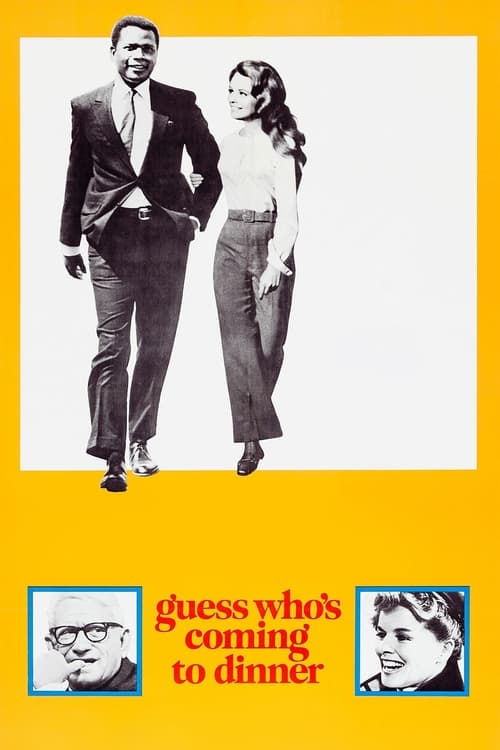
Stanley Kramer’s film is a landmark of social justice cinema that uses a domestic drama to question systemic prejudice. It successfully disrupts racial hierarchies by placing a Black professional at the center of the narrative, granting him ability to act and moral gravity. While the film is progressive for its time, it primarily centers the emotional processing of white liberal protagonists. This focus limits the depth of the racial critique, even as it challenges the era's social constructs. Ultimately, the film serves as a sophisticated critique of the 1960s status quo, pushing for a more inclusive social reality through its depiction of interracial partnership and individual self-determination.
Category Breakdown
The film does not include any LGBTQ+ characters or themes. It focuses entirely on heterosexual family dynamics and the complexities of interracial marriage.
Jane Fonda’s character shows significant autonomy by prioritizing personal merit over social expectations. The film highlights the mother's role in performing vital emotional labor.
By centering a Black physician with high professional intellect, the film challenges subservient racial clichés. The interracial romance serves as a direct critique of systemic segregation.
The story critiques rigid Western social institutions and exclusionary codes. It frames the struggle for racial equality as a necessary evolution of established social values.
There are no prominent depictions of physical or neurodivergent disabilities within the main character arcs.
Present on Screen
Limited or Absent
Official Synopsis
A couple's attitudes are challenged when their daughter brings home a fiancé who is black.
1960
1959

1967
1957

2005

1955

1991
1968
No reviews yet. Be the first to share your thoughts on this movie!
Use the rating form above to leave a star rating and optional review.