The Secret of NIMH
1982
No user ratings available yet
Representation score: 6.2 out of 10
Representation Score
Limited
1986
GDirector
Don Bluth
Runtime
80 minutes
Average Rating
No ratings yetNew Showbiz Analysis
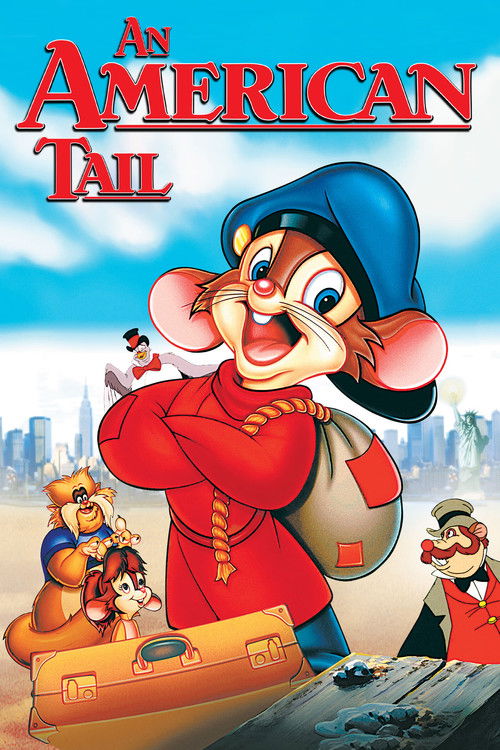
An American Tail excels by using allegory to address the complexities of ethnicity and class. By focusing on Jewish immigrants, it avoids the simplified portrayal of Western immigration, providing a nuanced view of the challenges of assimilation and systemic inequality. However, the film adheres to traditional social structures. Gender roles remain conventional, and there is a lack of LGBTQ+ representation or narratives focused on disabilities, which limits its range of perspectives. Ultimately, the film's strength lies in its social commentary. It uses the plight of the mice to critique power dynamics and the myth of effortless prosperity in the New World.
Category Breakdown
The film does not include any LGBTQ+ characters or non-straight identities. The story centers around a traditional family structure and the protagonist's survival within a conventional social setting.
Gender roles adhere to a traditional 19th-century household model. Although the film depicts a cooperative family dynamic, it does not challenge the conventional gendered leadership roles.
The story uses animal characters to represent the experiences of Jewish immigrants escaping Russian oppression. This approach offers a sophisticated exploration of ethnic minorities adapting to a challenging new environment.
The film critiques the idealized notion of the American Dream by highlighting urban poverty and systemic struggles. It emphasizes community solidarity and class awareness over individual success.
There are no specific representations of physical or neurodivergent disabilities. The film focuses on themes of isolation and the vulnerability of a lost child.
Present on Screen
Limited or Absent
Official Synopsis
A young mouse named Fievel and his family decide to migrate to America, a "land without cats," at the turn of the 20th century. But somehow, Fievel ends up in the New World alone and must fend off not only the felines he never thought he'd have to deal with again but also the loneliness of being away from home.
1982

1997
1998
1978
1991
1943

1988
1972
No reviews yet. Be the first to share your thoughts on this movie!
Use the rating form above to leave a star rating and optional review.