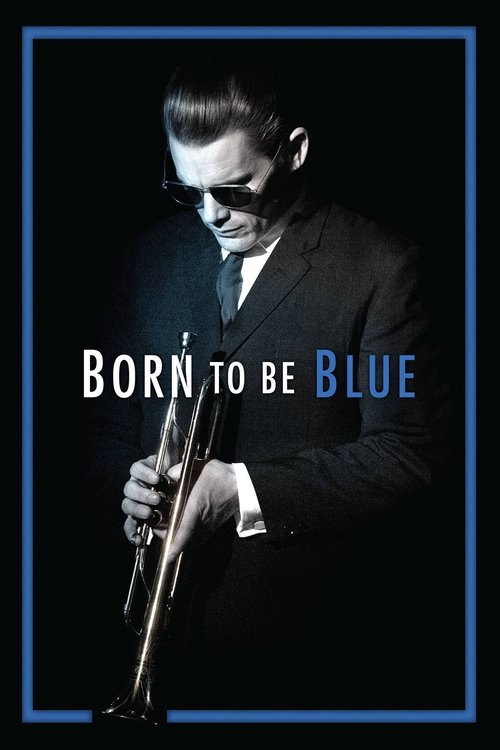
Born to Be Blue
2015
No user ratings available yet
Representation score: 7.0 out of 10
Representation Score
Fair
1988
RDirector
Clint Eastwood
Runtime
161 minutes
Average Rating
No ratings yetNew Showbiz Analysis
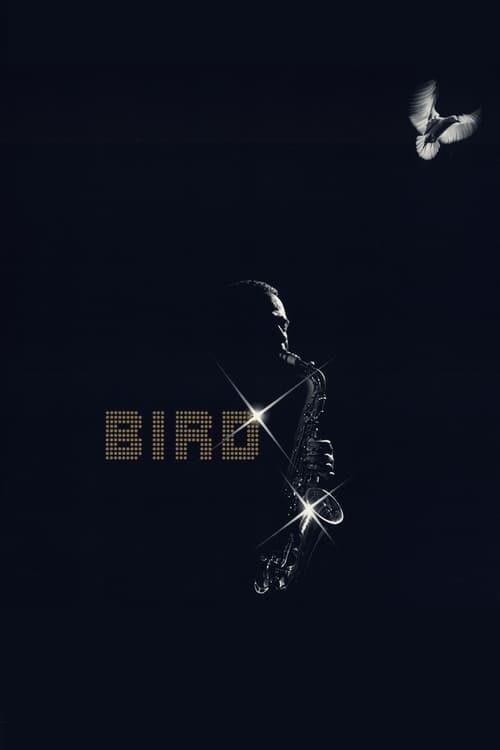
Bird is a sophisticated character study that prioritizes historical authenticity and racial ability to act. By centering the Black musical experience of the 1940s, the film avoids typical Hollywood exclusion of jazz history. The film’s strength lies in its refusal to frame the protagonist's struggles through a lens of simple moral failure. Instead, it explores the intersection of artistic compulsion and systemic pressure. However, the film remains tethered to traditional gender roles and relies on certain clichés regarding addiction. While it provides a deep look at the era, it lacks LGBTQ+ representation and offers limited ability to act to female characters.
Category Breakdown
The film focuses on heterosexual relationships and traditional family structures. There is no representation of LGBTQ+ identities or queer-coded subtext.
Gender dynamics reflect mid-century hierarchies, with women often serving as emotional anchors. While Chan provides stability, the narrative primarily centers on the male protagonist's role.
The film excels by centering Black excellence and using a predominantly Black cast. It provides a significant role in driving the story to Black characters, framing their creative genius as a central plot driver.
The narrative offers a nuanced critique of socioeconomic limitations in a segregated society. It avoids simplistic moralizing, instead exploring the tension between individual genius and oppressive frameworks.
Addiction is treated as a central, debilitating aspect of the protagonist's identity rather than a mere plot device. However, it occasionally leans into the 'tortured artist' cliché.
Present on Screen
Limited or Absent
Official Synopsis
Saxophone player Charlie ‘Bird’ Parker comes to New York in 1940 and is quickly noticed for his remarkable way of playing. He becomes a drug addict but his loving wife Chan tries to help him.
2015
1986
2016

1983
2004
2015
2013

1954
No reviews yet. Be the first to share your thoughts on this movie!
Use the rating form above to leave a star rating and optional review.