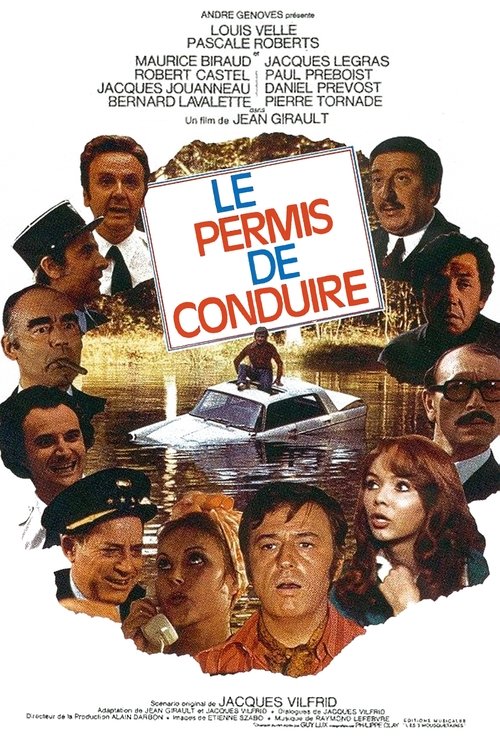
Le Permis de conduire
1974
No user ratings available yet
Representation score: 1.4 out of 10
Representation Score
Minimal
1968
Director
Jean Girault
Runtime
90 minutes
Average Rating
No ratings yetNew Showbiz Analysis
The film is a quintessential product of 1960s French commercial comedy, prioritizing mainstream entertainment over social critique. It adheres strictly to the conventional social and cultural norms of its era. The narrative structure reinforces traditional hierarchies of gender, race, and institutional authority. While the protagonist's incompetence offers a minor comedic subversion of masculine competence, it lacks any systemic critique. Ultimately, the work lacks complexity in reflecting multiple aspects of identity. It functions as a standard comedy that relies on established social archetypes rather than challenging them.
Category Breakdown
The film does not depict any non-straight or non-cisgender identities. There are no representations of same-sex relationships or non-assuming gender matches what was assigned at birth individuals.
The narrative relies on traditional 1960s domestic clichés. While the protagonist's incompetence subverts the 'strong male leader' stereotype, female characters primarily fill traditional domestic roles.
The film presents a highly homogeneous social environment. The cast reflects a traditional, white French socioeconomic context typical of the era's commercial cinema.
The story celebrates traditional Western social structures and the nuclear family. It reinforces the stability of the family unit and state authority through a comedic lens.
There are no prominent characters with visible or invisible disabilities. Disability is not a central narrative component.
Present on Screen
Limited or Absent
Official Synopsis
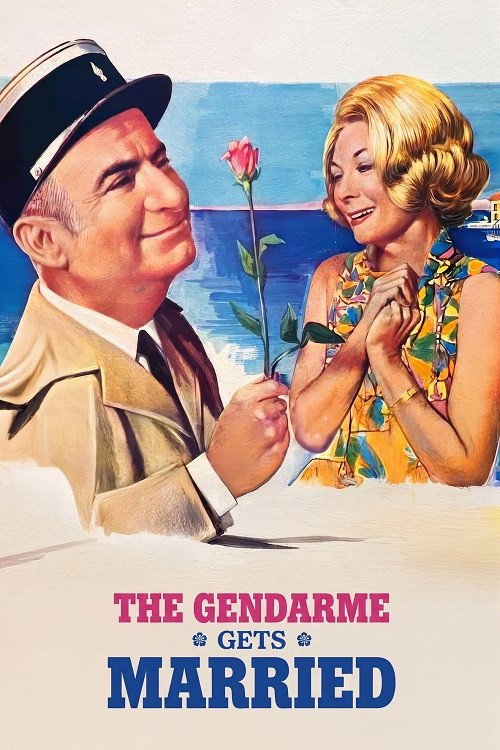
The Saint-Tropez police launch a major offensive against dangerous drivers. Marechal Cruchot (Louis de Funès) relishes the assignment, which he pursues with a manic zeal. Cruchot is after an offending driver, who turns out to be Josépha (Claude Gensac), the widow of a highly regarded police colonel. When they meet, Cruchot falls instantly in love....
1974
1965
1964
1970
1980

1963
1973
1974
No reviews yet. Be the first to share your thoughts on this movie!
Use the rating form above to leave a star rating and optional review.