BlacKkKlansman
2018
RNo user ratings available yet
Representation score: 9.8 out of 10
These lists use approved racial and ethnic representation scores for comedies that have written notes. Highest-scoring films are those whose notes describe more on-screen racial and ethnic representation. Lowest-scoring films are those whose notes describe little. Neither list is a quality ranking.
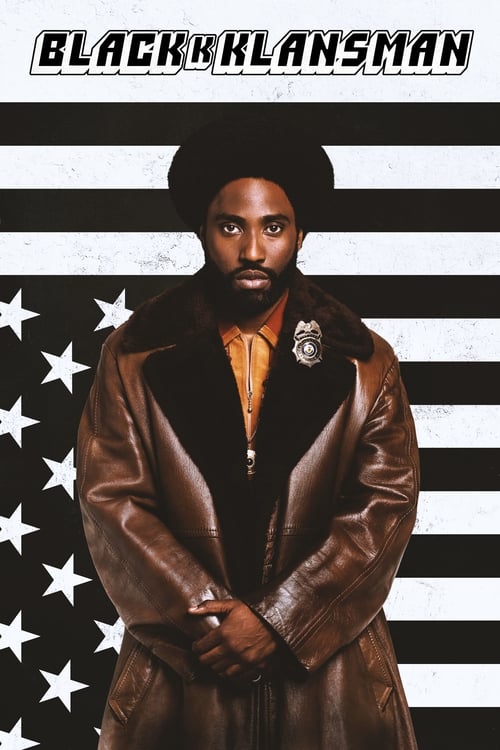
The film highlights a Black protagonist and a Jewish colleague, providing a detailed look at how different underrepresented groups face systemic oppression.
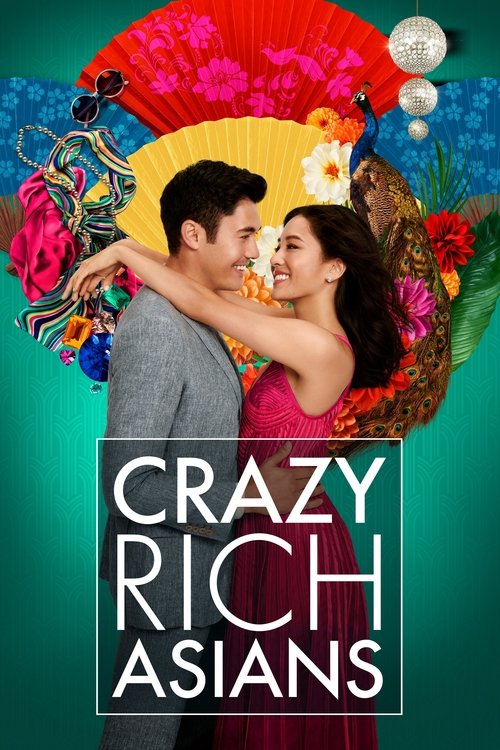
This groundbreaking production features an all-Asian cast to avoid whitewashing. It delves into the complexities of the Asian diaspora and contrasts Western individualism with Eastern collectivism.
By highlighting Polynesian mythology and voyaging traditions, the film steers clear of Western-centric discovery clichés. Authentic representation is achieved through casting and design that emphasize Pacific Islander aesthetics.
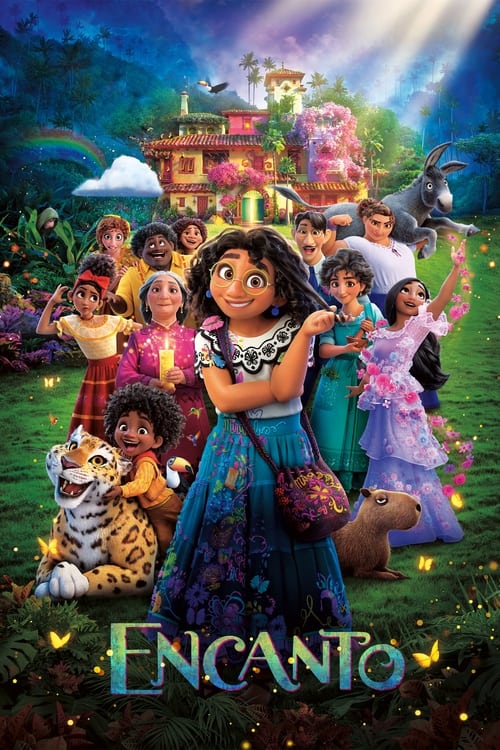
This film is an exceptional model of cultural specificity. It features a predominantly Afro-Latino and Mestizo cast within a deeply realized, authentic Colombian setting.
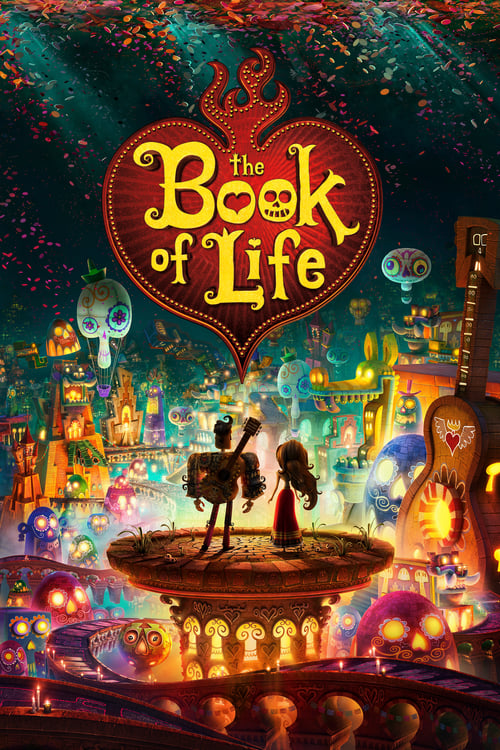
The film is a profound celebration of Mexican culture. It uses folk-art aesthetics and a Latino cast to create a deeply immersive cultural experience.
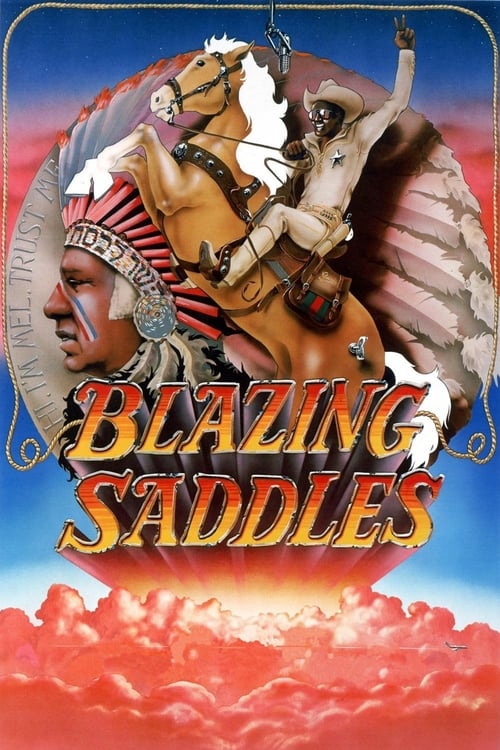
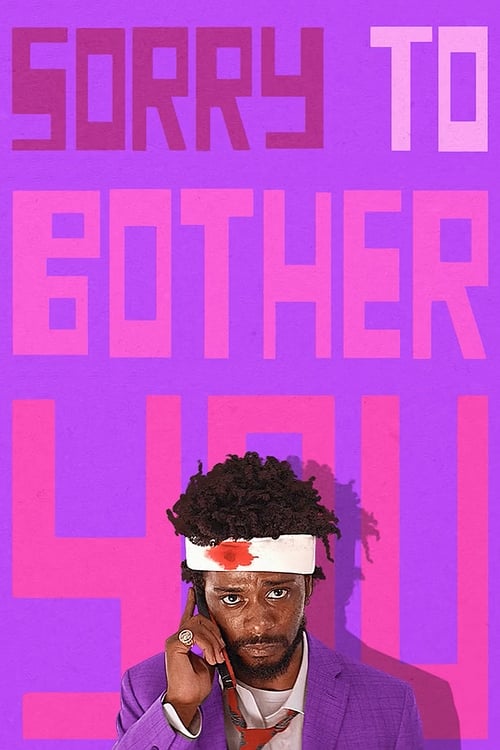
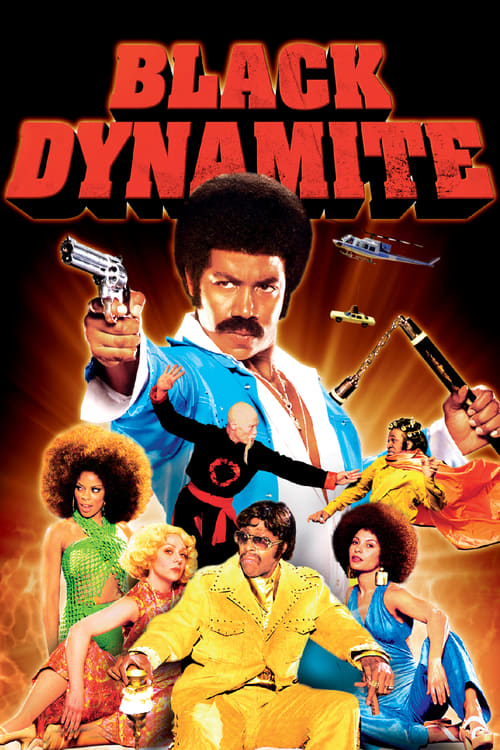
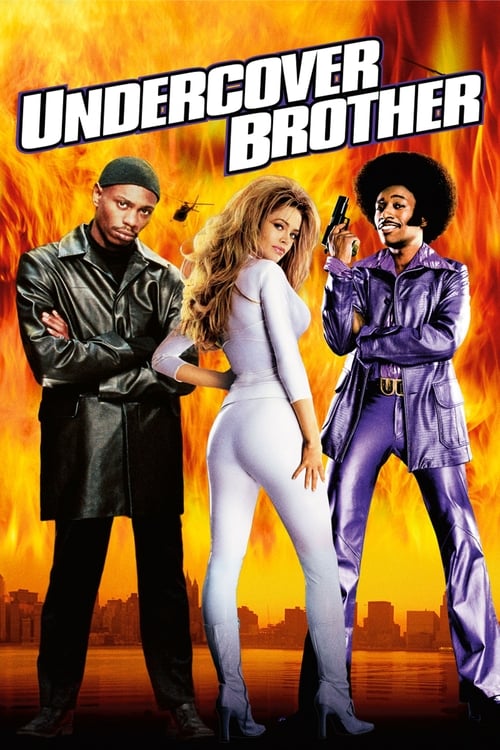
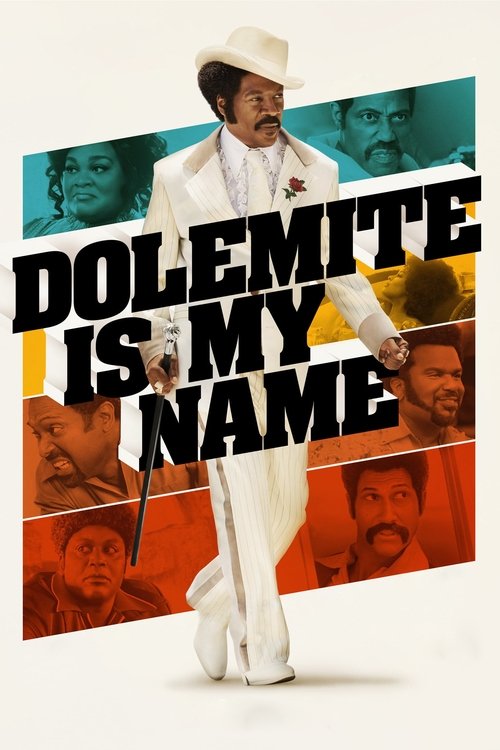
The film disrupts Western clichés by casting a Black actor as the central Sheriff. It uses caricatures to mock bigotry rather than reinforcing it.
The film centers the Black experience in an alternate Oakland, featuring a predominantly Black cast. It uses surreal imagery to critique racial performance and assimilation.
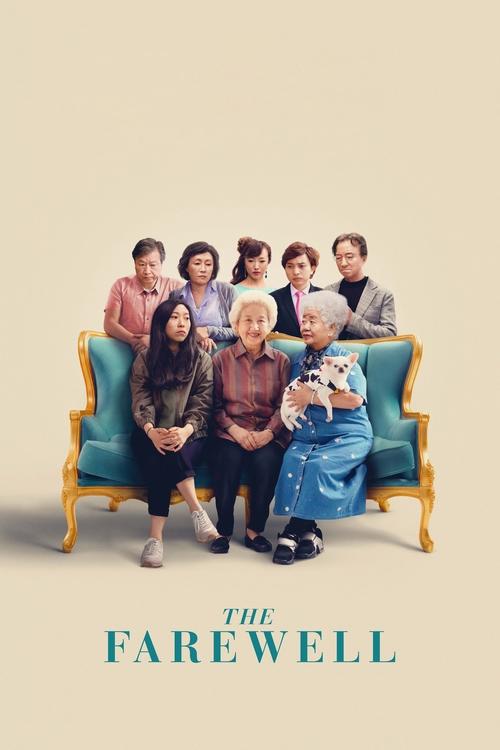
An all-Asian cast provides an authentic perspective on the Chinese experience. It avoids outsider viewpoints, centering the complexities of the Chinese-American experience.
The film features a predominantly Black cast and refuses to center a white perspective. It uses the metaphor of the body as a resource to critique the exploitation of Black communities.
The film centers Black heroism with an almost entirely Black primary cast. It uses race-bent genre clichés to celebrate Black cultural aesthetics and reclaim ability to act.
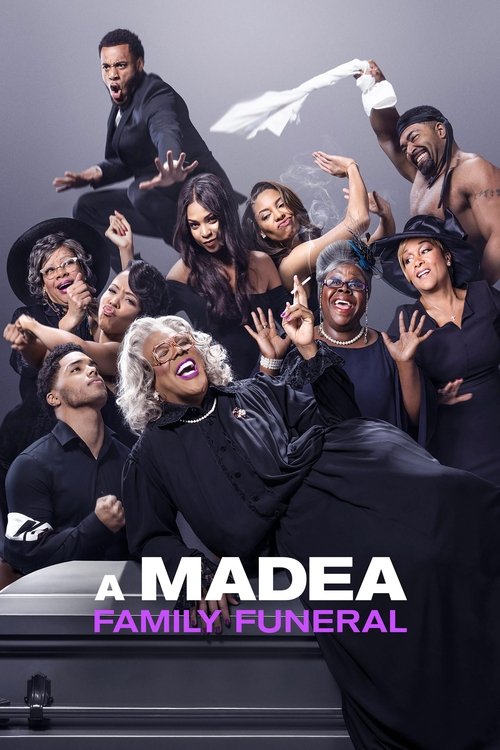
The film features an almost entirely Black cast, highlighting Black women's socioeconomic experiences. It avoids the white perspective by prioritizing Black cultural practices and aesthetics.
The film excels in racial diversity by featuring an almost entirely Black cast. It reimagines narrative concepts through a Black cultural perspective, moving away from the dominant Anglo-Saxon viewpoint.
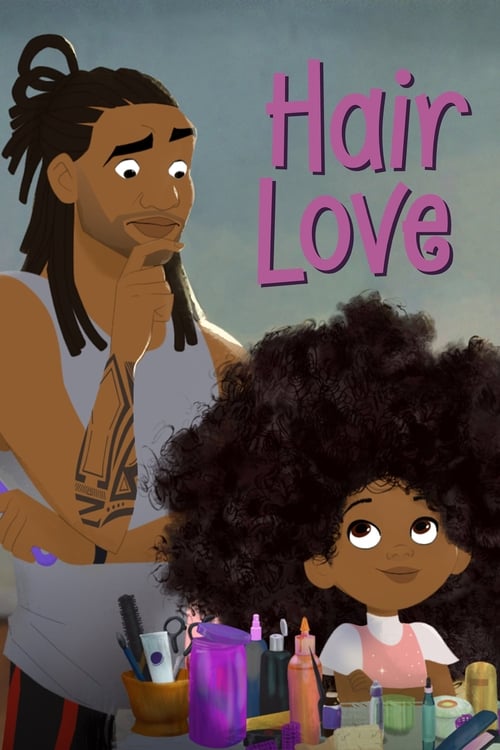
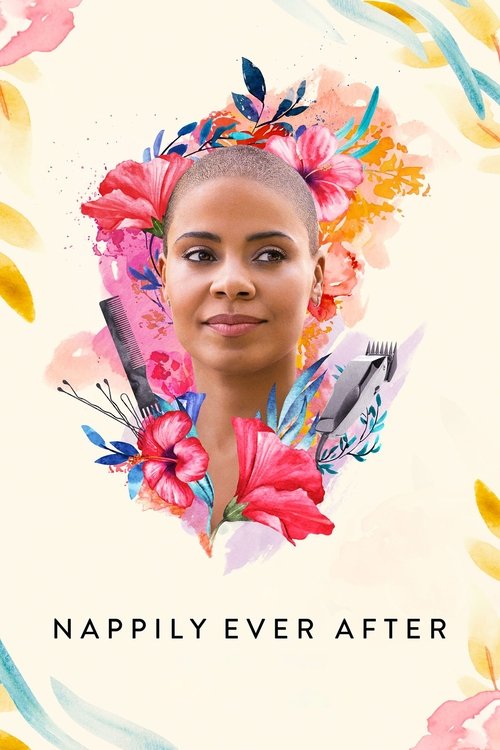
This work celebrates Black identity by centering the cultural ritual of natural hair care. It moves beyond including someone from a minority group without giving them real depth to treat specific ethnic textures as a central plot driver.
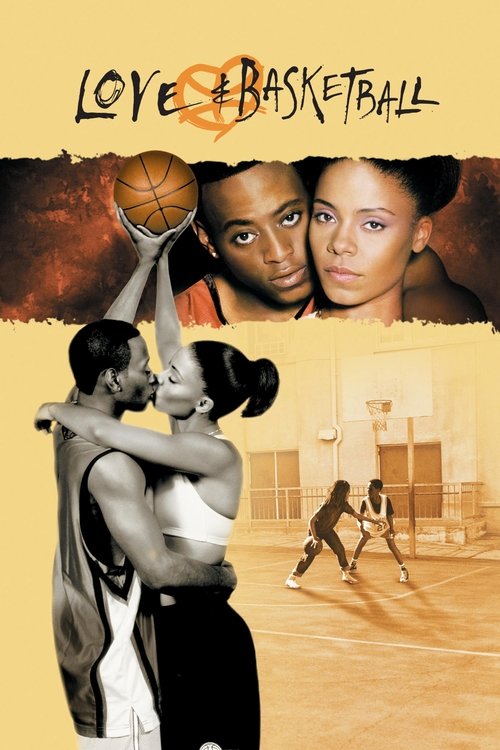
The film offers a detailed and influential depiction of Black American life, focusing on the main character's ability to drive the story and the complexity of her experiences. It avoids the stereotype of including Black characters merely as sidekicks or supporting roles.
The film centers an almost entirely Black cast, which serves as the core of the plot rather than just a demographic detail. This approach highlights Black identity and ability to act.
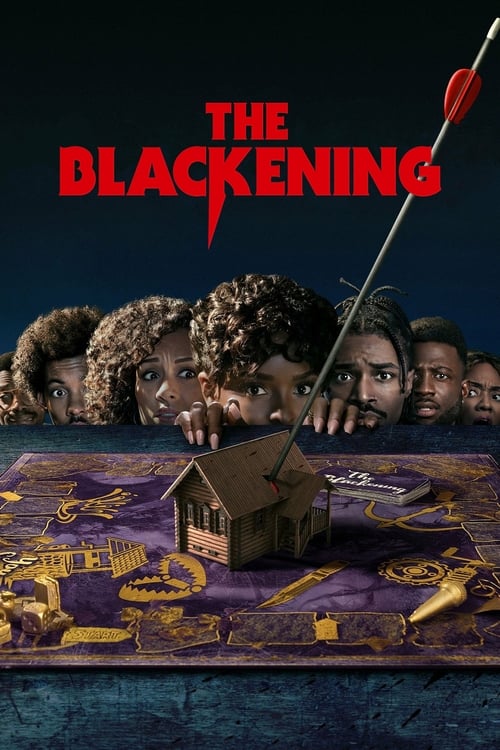
The film excels by reclaiming the slasher genre for a Black ensemble. Characters use their specific cultural shorthand and take a leading, active role to navigate and challenge lethal genre clichés.
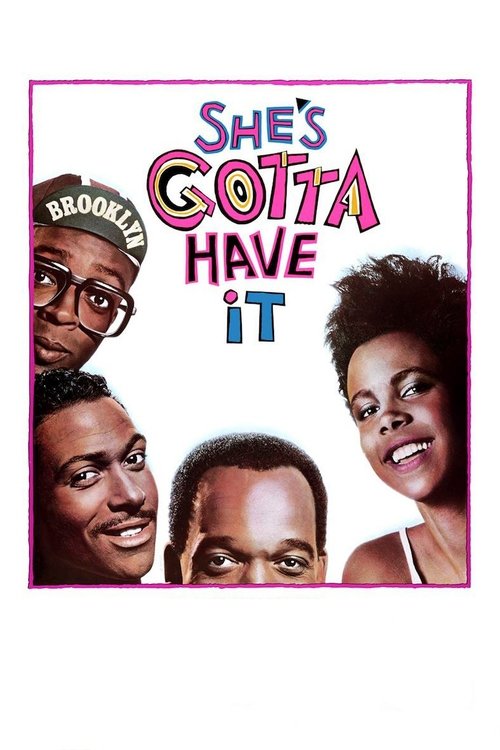
This landmark work features an almost entirely Black cast centered in Brooklyn. It provides a culturally grounded portrayal of Black middle and working-class identities rather than a color-blind approach.
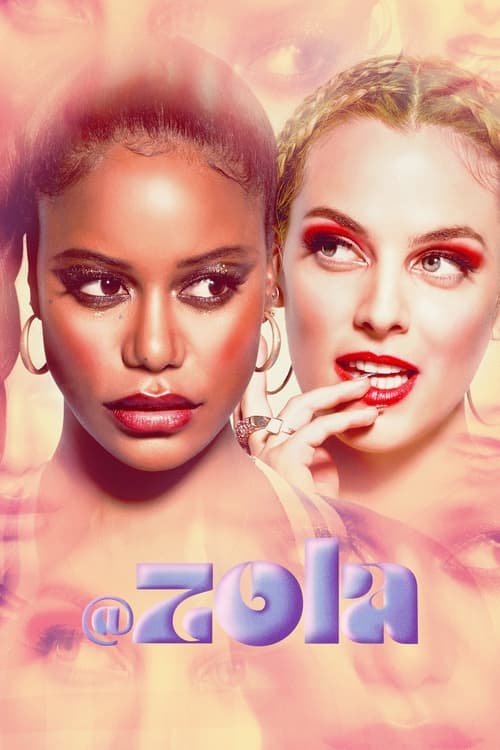
The cast is predominantly made up of Black women, providing a rich exploration of Black womanhood. The film avoids treating race as a uniform experience, instead showing how it overlaps with class and gender.
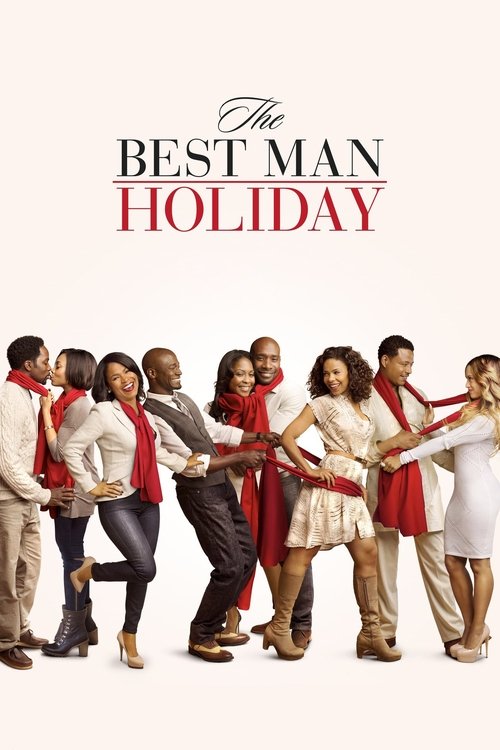
The ensemble portrays a multifaceted view of the Black experience across various socioeconomic backgrounds. It avoids monolithic clichés by showcasing a wide range of ambitions, identities, and struggles.
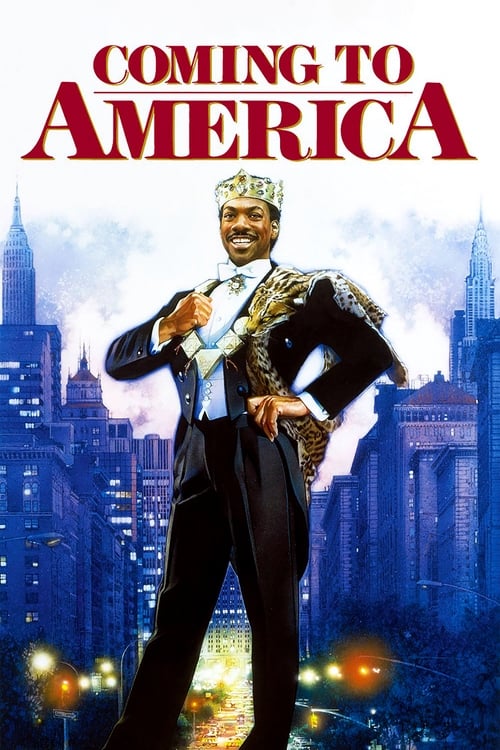
The film stands out by presenting a wealthy, sophisticated African monarchy. The all-Black primary cast holds positions of high status and significant influence.
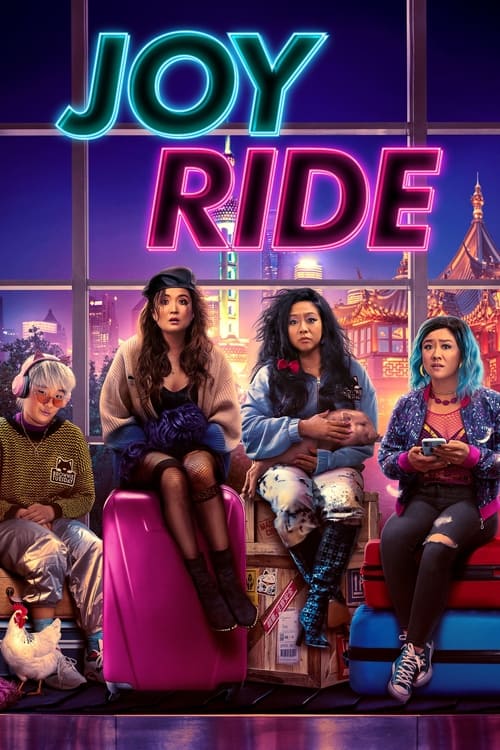
The all-Asian-American lead cast is presented with high ability to act and professional complexity. The film avoids the outsider cliché by making Asian-American identities the default within its universe.
This film marks a significant change by featuring an overwhelmingly Asian-American cast in a high-budget comedy. It delves into the experiences of those living abroad while maintaining ties to their home culture, blending Western social norms with Chinese traditions.
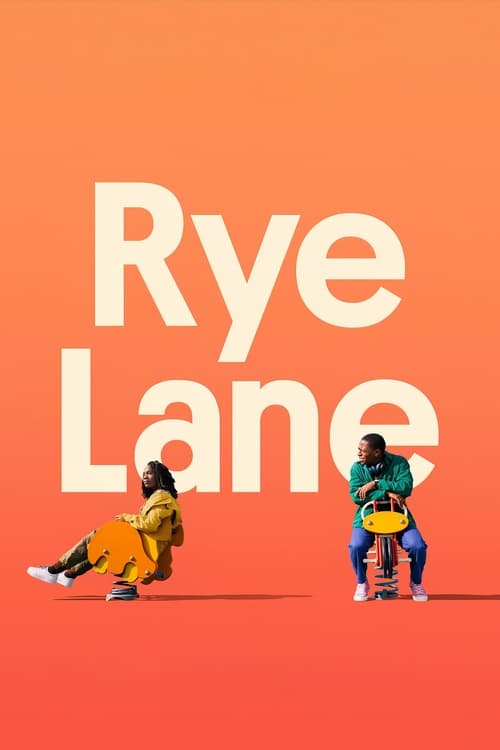
The film excels by centering a Black British cast and treating South London as a living character. It moves beyond including someone from a minority group without giving them real depth to provide a nuanced, high-definition look at Black urban life.
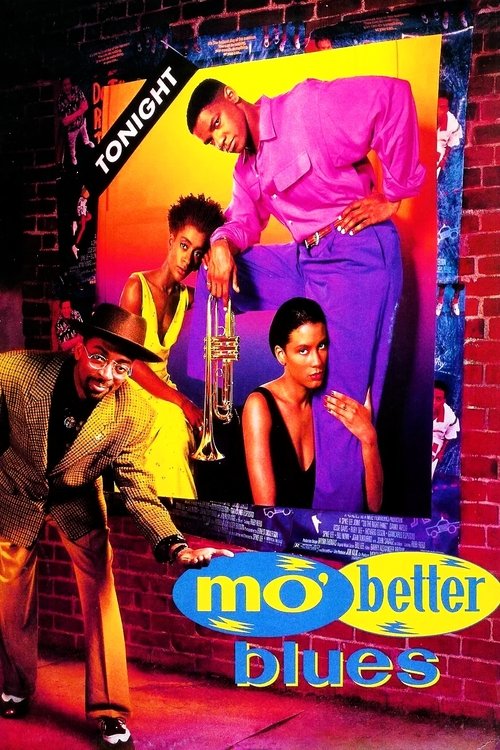
The narrative excels by focusing on the Black jazz community in Harlem, presenting Black urban life as a central element rather than a peripheral one.
The film stands out by centering Black identity through Joe Gardner’s artistic role in jazz. It avoids typical struggle narratives, instead offering a nuanced, organic depiction of Black professional life and community.
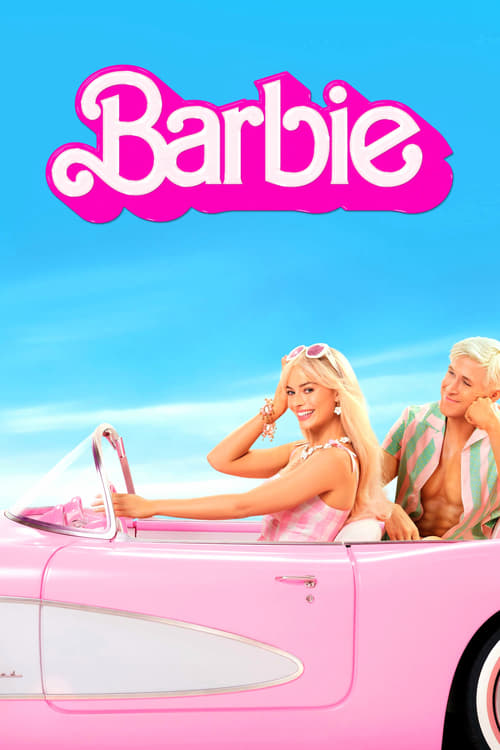
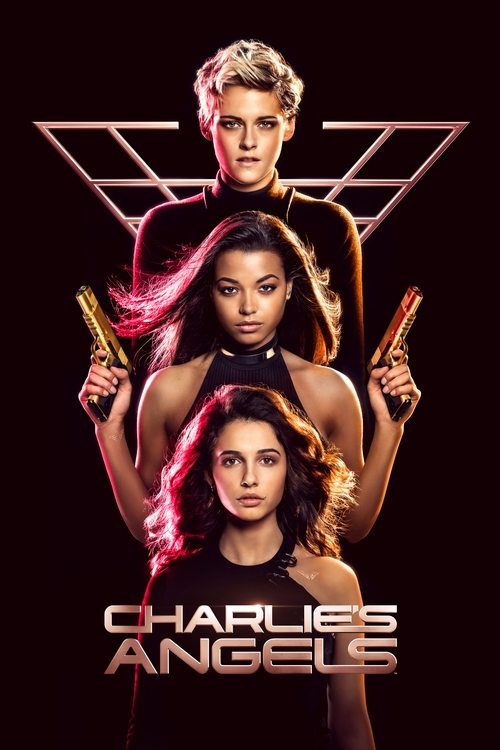
The ensemble features a diverse range of skin tones and ethnicities. This inclusive casting disrupts the historically white-centric history of the brand by making a multi-ethnic collective the norm.
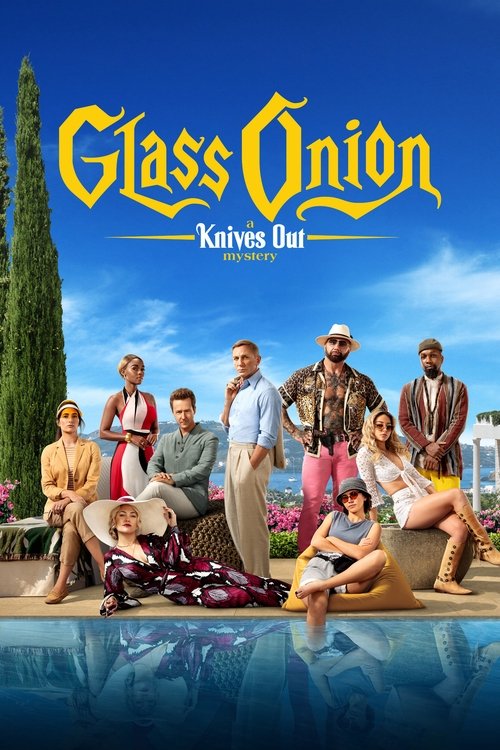
A diverse cast challenges the homogeneity of the wealthy elite cliché. Black women hold central, influential roles, while the Greek setting adds layers of cultural complexity and post-colonial critique.
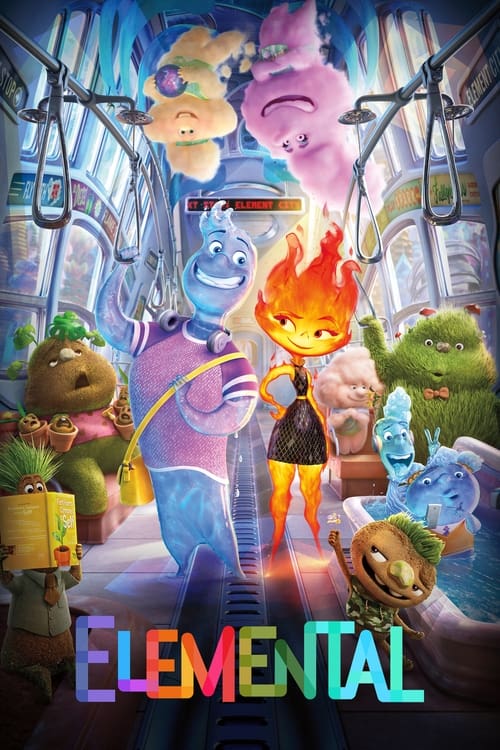
Elemental species act as metaphors for racial and ethnic diversity. The Fire elements navigate a city optimized for Water and Air, highlighting the challenges faced by first-generation immigrants.
The cast includes actors with South Asian and Black heritage, ensuring heroism is not tied to a single racial identity.
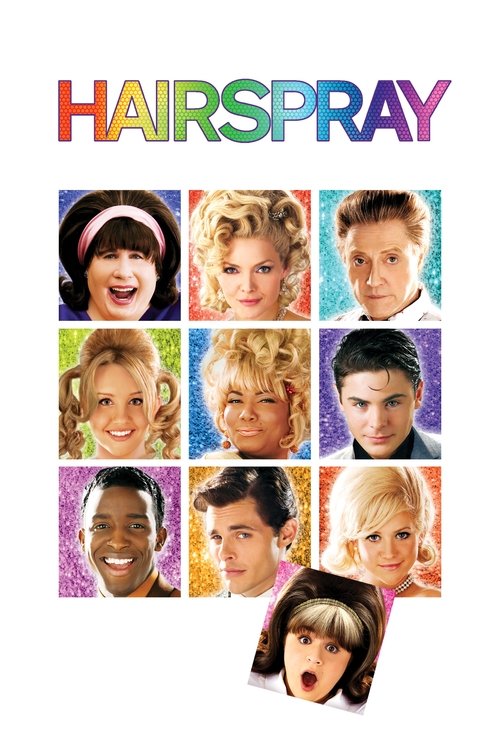
The film centers on dismantling racial segregation by making the integration of the Corny Collins Show a key moral goal. Black characters play essential roles in driving the plot forward.
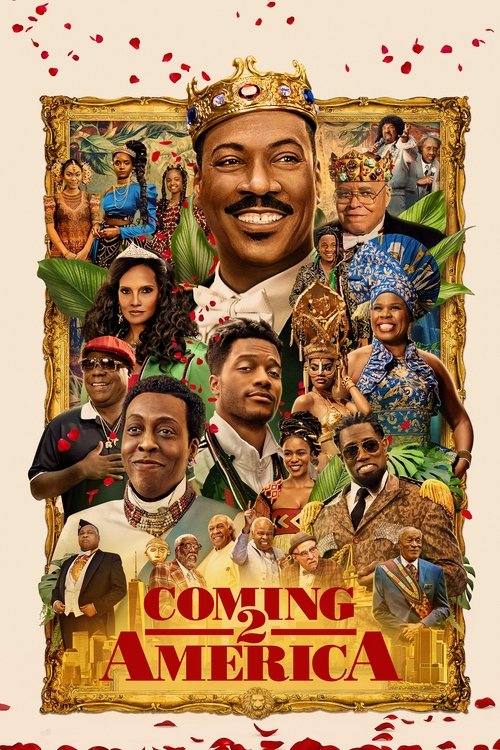
The film focuses on a prosperous, sovereign nation populated by individuals of African descent. It avoids clichés of scarcity and instead uses connections to the diaspora to explore varied expressions of Black identity.
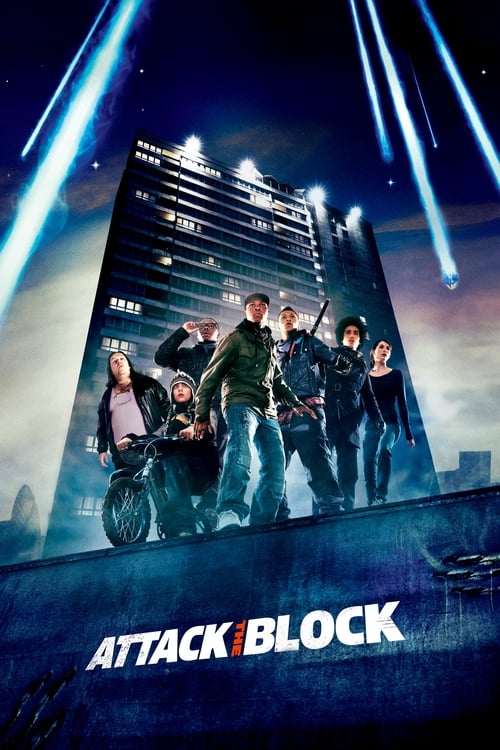
The film stands out by featuring a predominantly Black cast set in South London. This demographic focus ensures these characters are the main heroes, avoiding including someone from a minority group without giving them real depth.
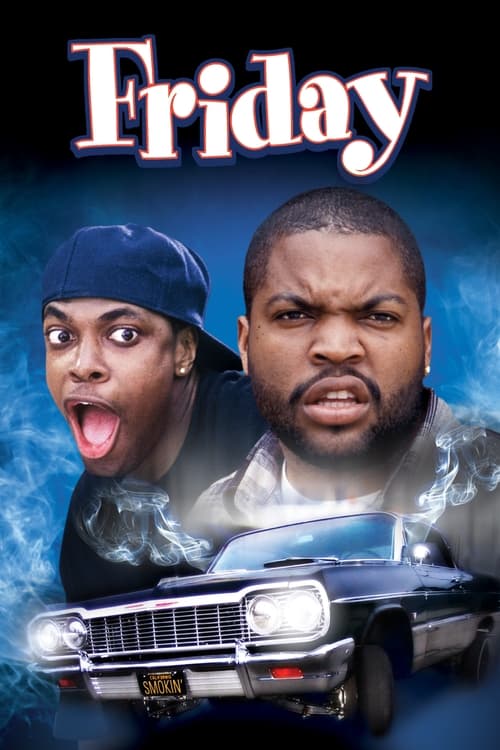
The film provides a textured, culturally specific look at Black urban life in South Central Los Angeles. It centers Black ability to act, presenting protagonists as architects of their own social reality.
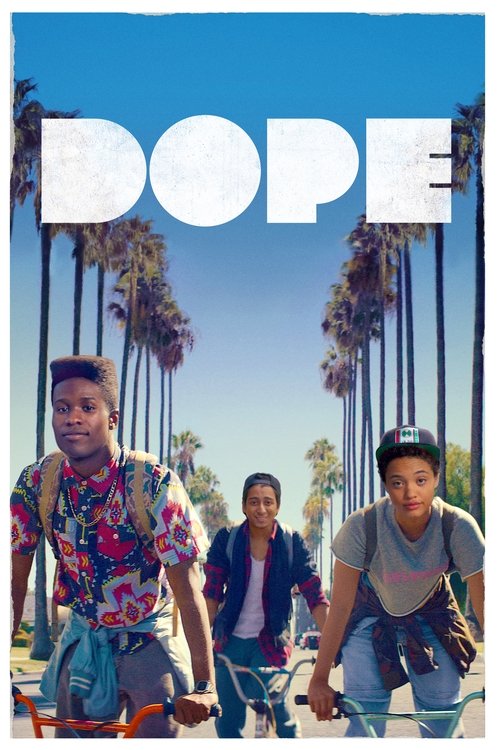
The film presents a multifaceted view of Black youth that avoids the 'thug' stereotype. It explores the intersection of intellectual pursuits and the pressures of a hyper-policed environment.
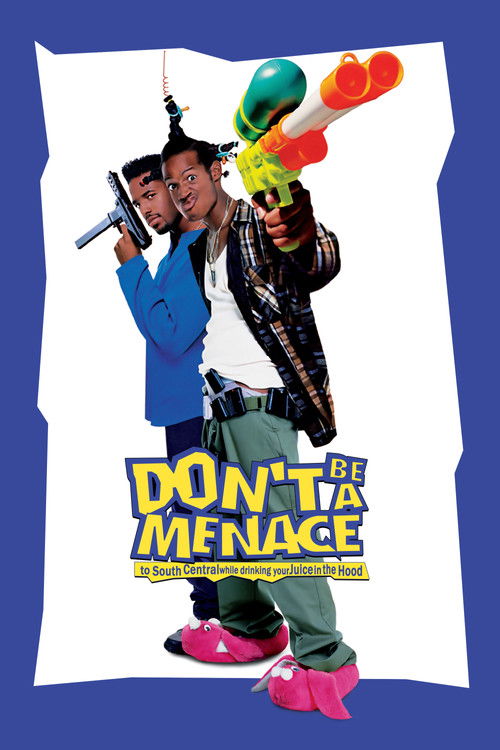
The film features a predominantly Black cast, providing a focused exploration of African American life. It employs parody to critique how Hollywood has historically misrepresented and stereotyped Black identity.
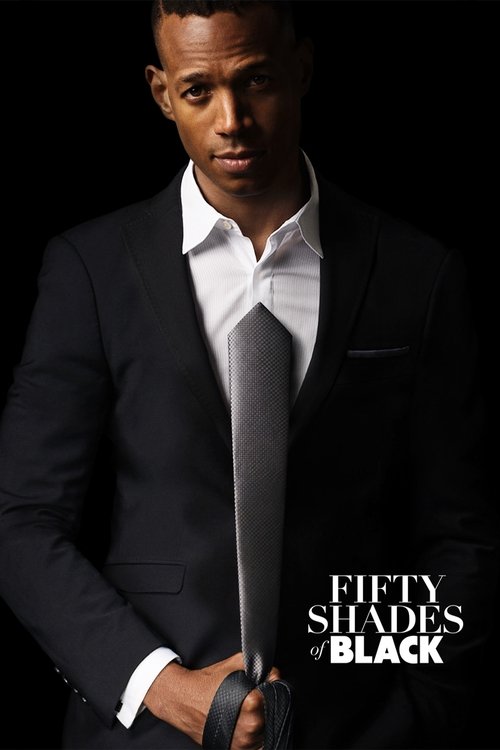
The production successfully transplants erotic romance clichés into a Black cultural context. This race-bent casting challenges the genre’s typical white focus and increases character visibility.
This film centers a predominantly Black cast and documents the struggles of Black creators navigating white-dominated gatekeeping structures through creative entrepreneurship.
The film features a non-Anglo-Saxon majority reflecting the true demographic makeup of Los Angeles. It incorporates various ethnic groups, such as an Armenian family, into a detailed social fabric.
The film centers the Black experience through the natural hair movement. It uses hair texture as a metaphor for reclaiming ability to act against Eurocentric beauty standards.
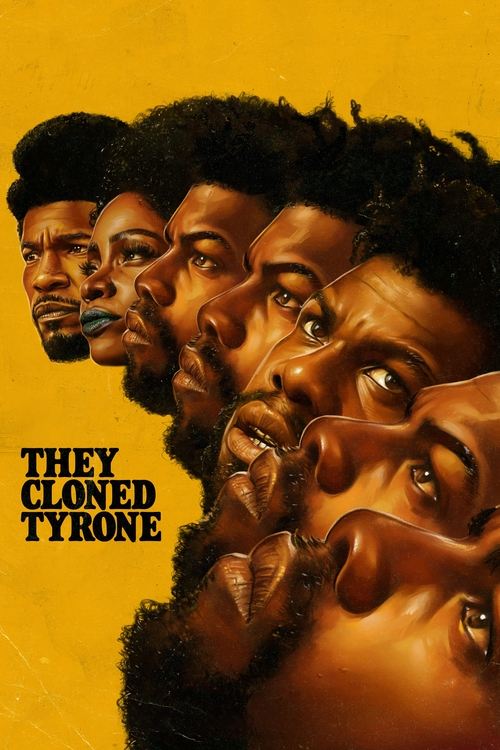
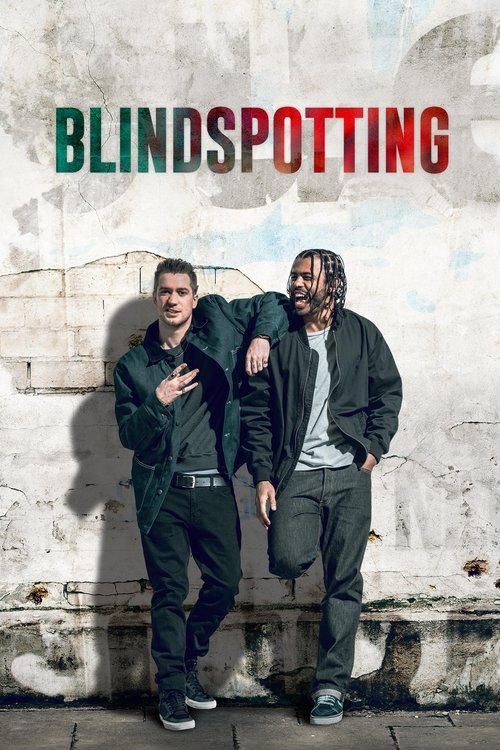
The film highlights the experiences of Black men in Oakland, exploring the tension between established communities and gentrification. It provides a nuanced look at the impact of urban changes on racial identity.
Set in Nairobi with a primarily Kenyan cast, the film avoids Western-centric clichés. It presents a nuanced look at identity within a post-colonial urban environment.
With a predominantly Black cast and setting, the film offers a fresh perspective on teen cinema, focusing on the complexities of Black female identity.
This film is groundbreaking for featuring a predominantly Black cast in high-status corporate settings. It challenges monolithic portrayals by highlighting Black excellence and socioeconomic success.
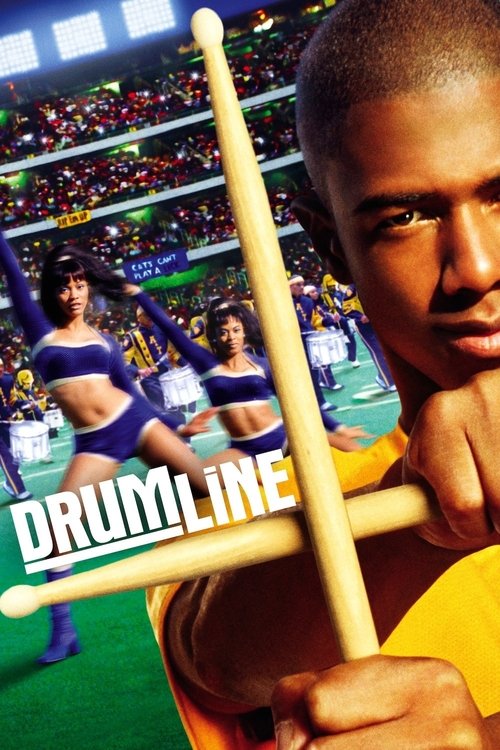
The story centers on the cultural life of historically Black colleges and universities with a predominantly Black cast. It avoids white savior clichés by resolving conflicts internally within the community.
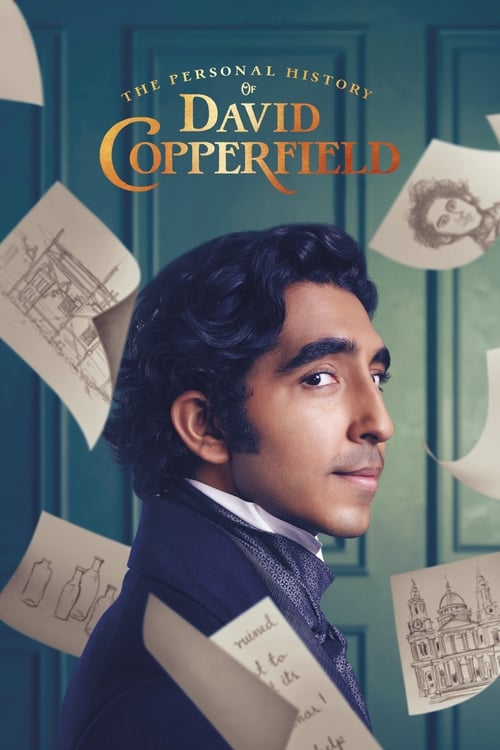
Casting Dev Patel as the lead challenges the traditional Anglo-centric portrayal of the Victorian era. This approach emphasizes human resilience across different racial backgrounds.
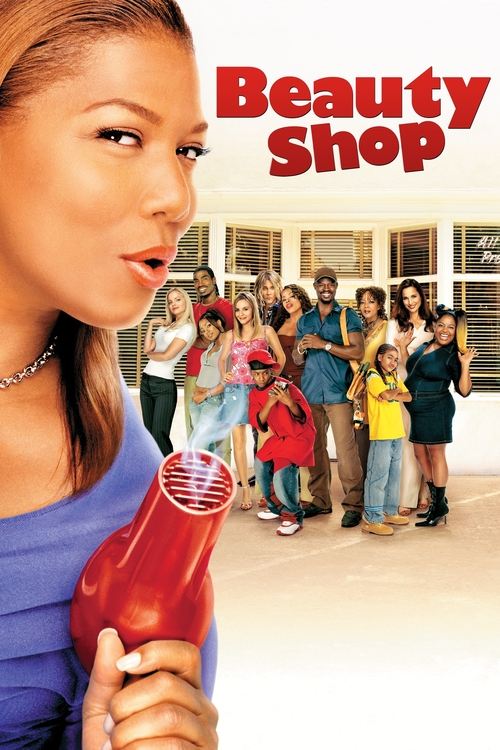
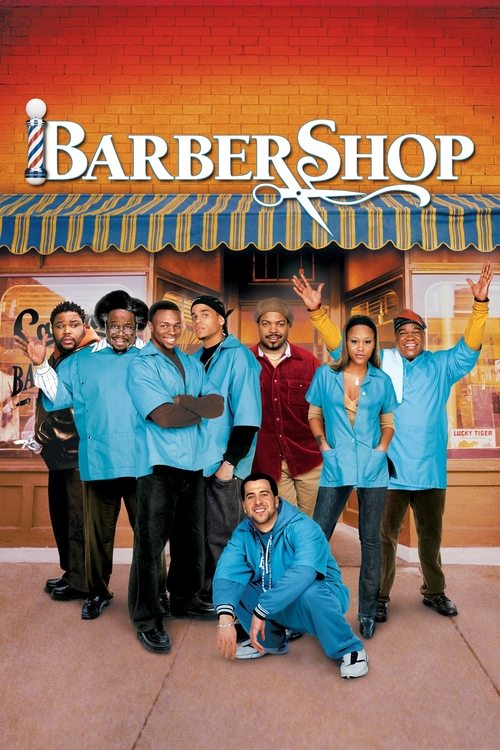
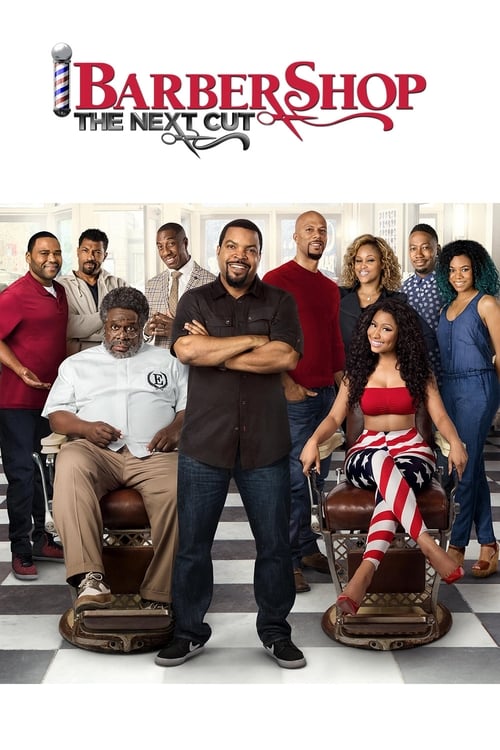
The film stands out by using an almost entirely Black cast to explore urban life. It emphasizes the importance of the barbershop as a vital site of community discussion and centers Black ability to act.
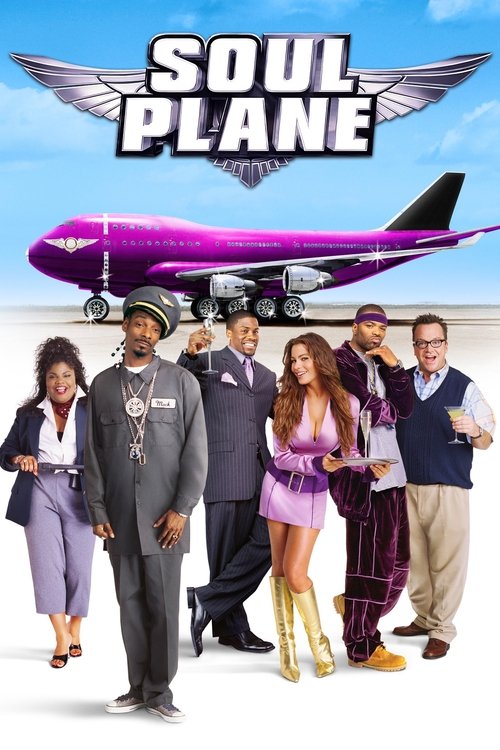
The film stands out by featuring a predominantly Black cast and emphasizing Black culture, fashion, music, and lifestyle. It presents Black protagonists in aspirational, high-concept roles.
The narrative highlights a Black-owned small business and avoids focusing solely on white perspectives. It provides a detailed look at Black socioeconomic life and community resilience in the face of systemic challenges.
The film features a predominantly Māori and Pasifika cast, reflecting a post-colonial perspective. Indigenous viewpoints are central, presenting a non-Anglo-Saxon worldview as the default.
The film features an all-Black cast that explores Black domestic life. It avoids the white perspective and presents a culturally specific reality.
The provided context does not offer verifiable details regarding the racial composition of the cast. Without evidence of a non-Anglo-Saxon majority, no score can be accurately assigned.
The narrative does not engage with racial or ethnic identity. The domestic setting avoids any commentary on race or the intersection of diverse cultural backgrounds.
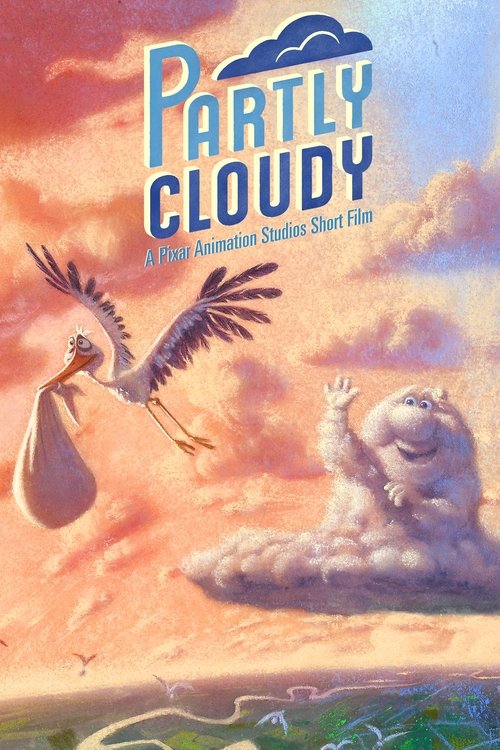
The celestial setting includes only clouds and birds, so the film does not address human racial, ethnic, or ancestral identities.
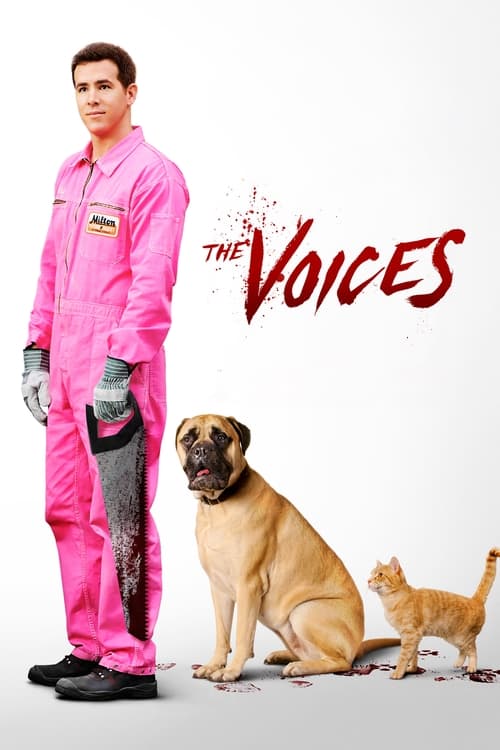
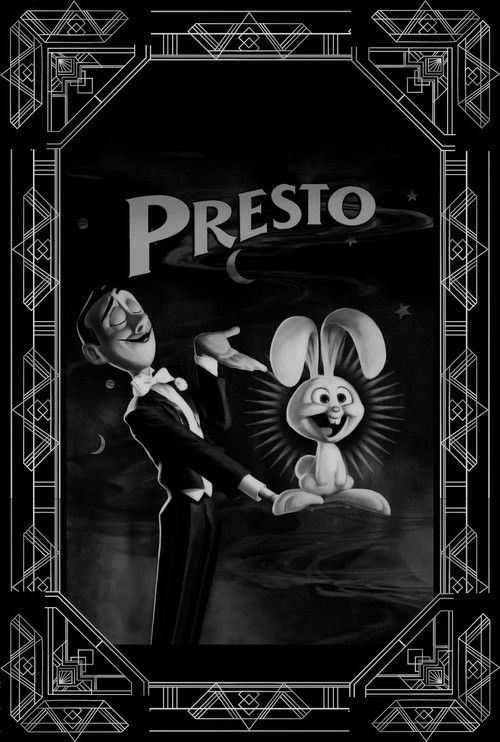
The cast includes only a human magician and an animal, preventing any meaningful engagement with racial or ethnic identities.
Due to the abstracted visual style, specific racial or ethnic identities are not clearly represented in the film.
The narrative does not specify the racial or ethnic identities of the cast or the setting. Consequently, the ethnic composition of the royal court remains unstated.
There is insufficient information to evaluate the racial or ethnic composition of the cast. No specific cultural nuances are provided in the narrative.
The setting is a neutral environment with no racial or ethnic identifiers. Since the characters are non-human objects, there are no racial or cultural distinctions.
Despite a tropical beach setting, the film does not explore racial or ethnic identities. The main characters are inanimate objects, and the human presence is minimal.
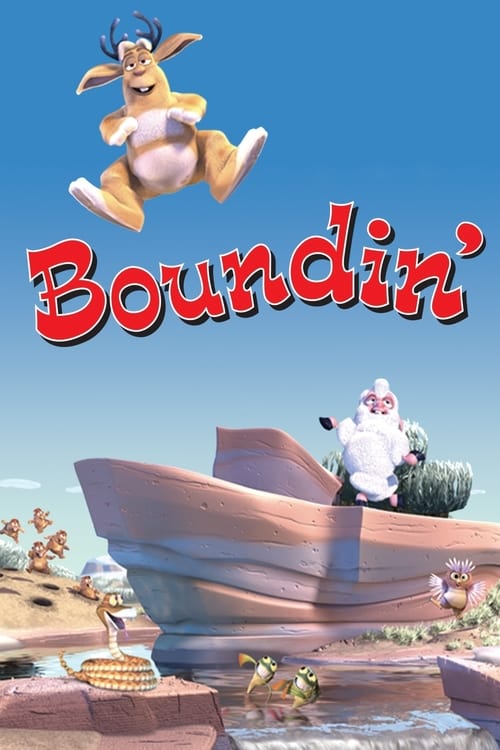
The setting features anthropomorphic animals on a stylized mountain plain. Since there are no human ethnic markers, the film does not address racial diversity.
As an animation featuring anthropomorphic toy dinosaurs, traditional concepts of racial or ethnic diversity do not apply to the characters.
No information is provided about the ethnic makeup of the cast. The racial dynamics of the high school setting are not addressed in the narrative.
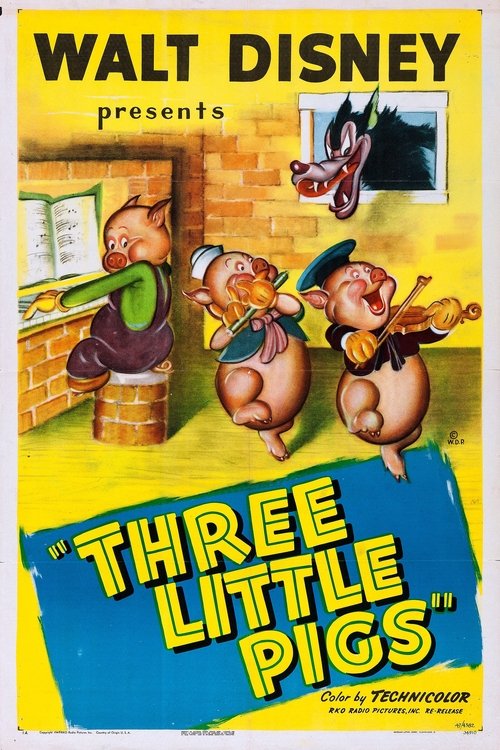
The use of anthropomorphic animals in a rural setting means there are no human characters. Consequently, the film does not depict visible racial or ethnic diversity.
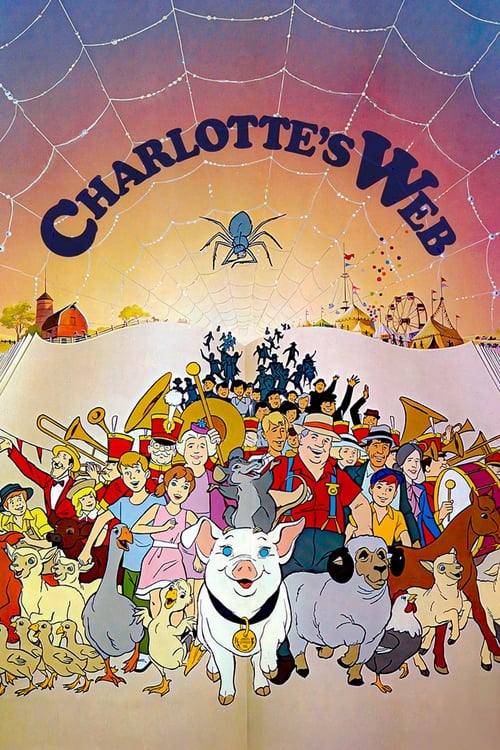
The film's setting is pastoral and does not address racial or ethnic identities. There is no representation of different ethnic backgrounds or cultures.
Specific casting details and character descriptions are absent. The narrative focuses on internal emotional states rather than demographic composition.
The film does not feature a diverse cast of characters or actors from different racial backgrounds. The characters appear to come from a homogeneous ethnic background.
The limited scope of the narrative provides insufficient evidence to evaluate racial or ethnic diversity. Character designs remain within established franchise norms.
There is no information regarding the racial or ethnic composition of the cast. The narrative does not explicitly highlight diverse ethnic backgrounds.
The cast consists of abstract, non-humanoid figures, avoiding any representation of race or ethnicity.
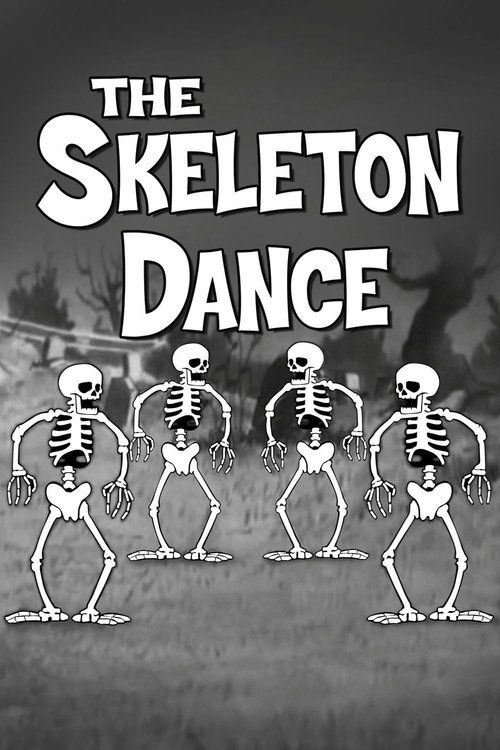
The cast consists entirely of non-human, skeletal entities. This avoids racial stereotypes but provides no platform for ethnic or racial representation.
The film does not provide any information about the racial or ethnic backgrounds of the characters. Therefore, there is no indication of diverse casting.
As an animated film using anthropomorphic animals, the film does not depict human races. There is no clear indication if the character designs serve as a commentary on racial dynamics.
The available information does not provide details regarding the racial composition of the cast or character backgrounds. No specific ethnic representation can be confirmed.
The synopsis does not provide information about the racial or ethnic makeup of the characters. The metaphorical nature of the organs means we cannot confirm any racialized storytelling.
The available information provides no details regarding the racial or ethnic composition of the cast. No specific mentions of diverse casting are present.
The provided information does not specify the racial or ethnic backgrounds of the cast. Consequently, no demographic data is available for assessment.
There is no specific information regarding the racial composition of the cast or the ethnic backgrounds of the characters. A definitive score cannot be assigned without risking speculative error.
There is no information about the racial or ethnic makeup of the cast. The film does not show any non-white majority casting.
The narrative provides no specific details regarding the racial or ethnic composition of the cast. Consequently, no assessment of racial diversity can be made.
The narrative does not provide any information about the racial or ethnic backgrounds of the characters, nor does it indicate any non-Anglo-Saxon representation.
There is no information about the racial makeup of the cast. The story does not provide diverse ethnic or racial perspectives.
The documentation provides no specific details regarding the racial or ethnic composition of the cast. Consequently, no assessment of racial diversity can be made.
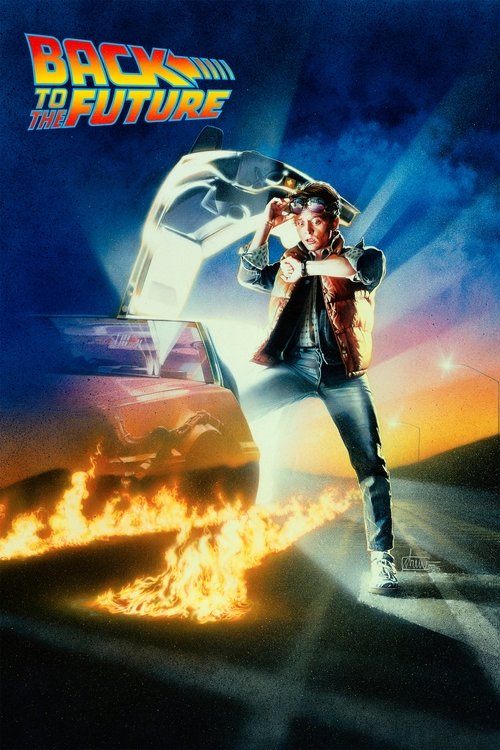
The cast is entirely white and middle-class. Hill Valley is depicted as a homogeneous suburban utopia.
The cast consists entirely of non-human monsters with no human racial identities. No ethnic diversity is depicted or coded within the monster society.
The cast is almost entirely white, reflecting a sanitized, mid-century American ideal. No non-white characters hold narrative weight or depth in this homogeneous utopia.
The cast is entirely white, reflecting the 1995 suburban setting. No racial dynamics or diversity are depicted in the narrative.
The cast is entirely white human and non-human. The story operates within a French cultural context without depicting racial diversity or cross-cultural dynamics.
The cast is predominantly white and Anglo-Saxon, reflecting the homogeneity of 1960s Western military culture. The film highlights tensions between major powers dominated by white leadership.
The cast and setting are primarily white and Anglo-Saxon, with no representation of diverse ethnic backgrounds among the main characters.
The cast and setting are predominantly white and upper-middle-class, reflecting a traditional Eurocentric New York intellectual elite.
The cast is predominantly white and middle-class, lacking diverse ethnic representation. The film does not use color-blind casting.
The cast and setting are primarily white, reflecting an upper-middle-class, Eurocentric environment. Characters of color have limited roles and influence.
The cast is predominantly white and Anglo-Saxon, lacking any significant racial diversity. The social environment depicted is homogeneous.
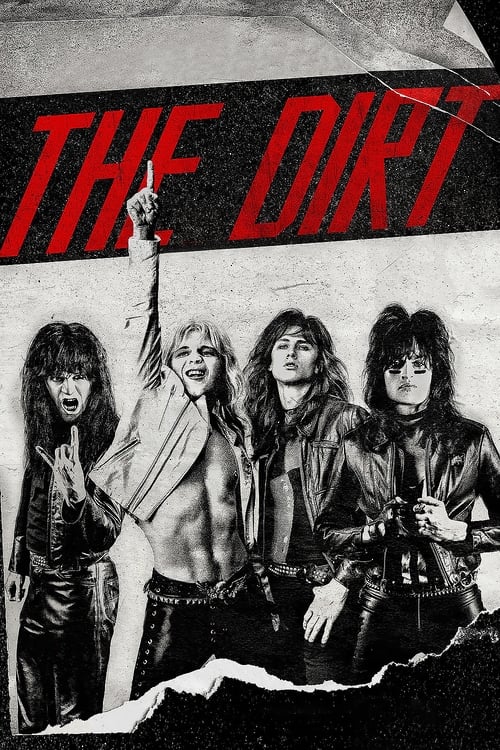
The setting reflects a very homogeneous, predominantly white subculture of the 1980s Sunset Strip. The film does not use diverse casting to break down the era's social barriers.
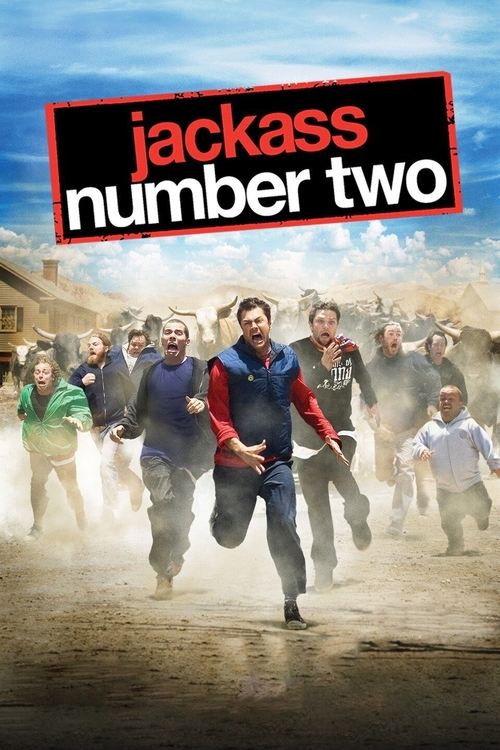
The cast is mostly white and Anglo-Saxon. There is no indication of intentional racial or ethnic diversity among the actors.
The cast is predominantly white, reflecting a rural Vermont demographic. The story centers around a single Anglo-Saxon perspective without engaging with diverse ethnic backgrounds.
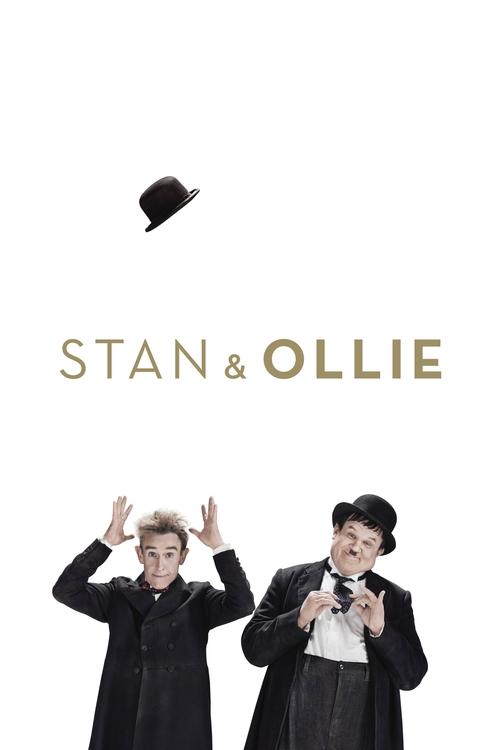
The film's cast is predominantly white and reflects the demographics of the early 20th century. It does not include diverse ethnic perspectives or characters from different backgrounds.
The cast is predominantly white and Anglo-Saxon, reflecting the hockey subculture. There is no evidence of intentional racial blending.
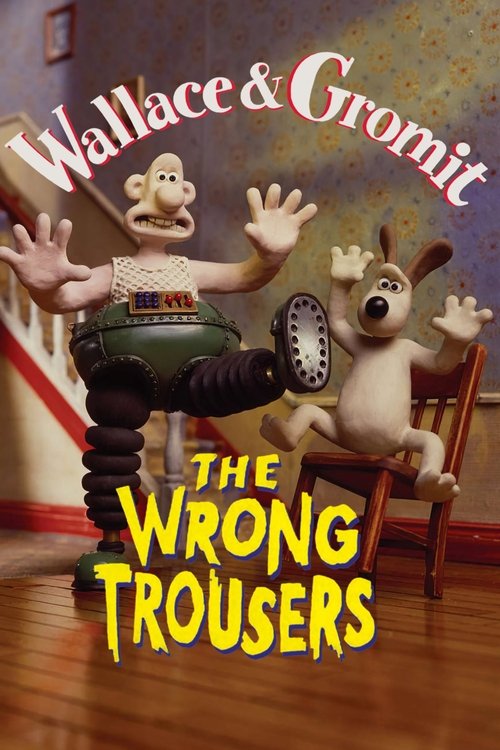
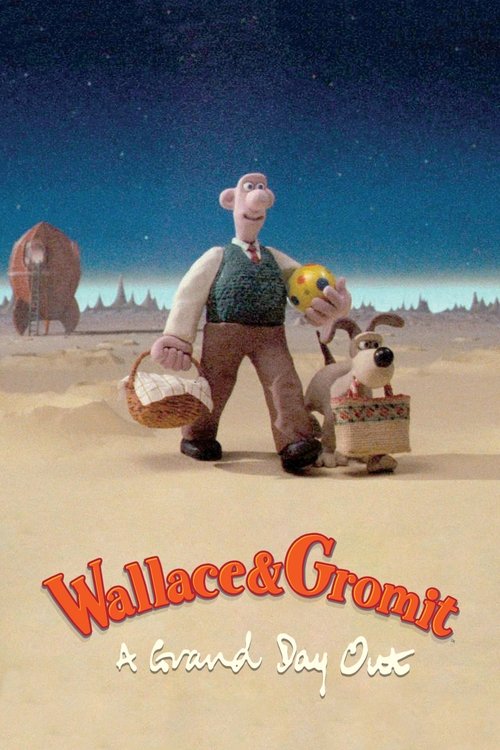
The characters are stylized clay figures that avoid traditional racial stereotypes. However, the film does not intentionally represent a diverse range of human identities.
The cast is predominantly white, reflecting a homogeneous social environment. There are no characters of color with significant narrative ability to act.