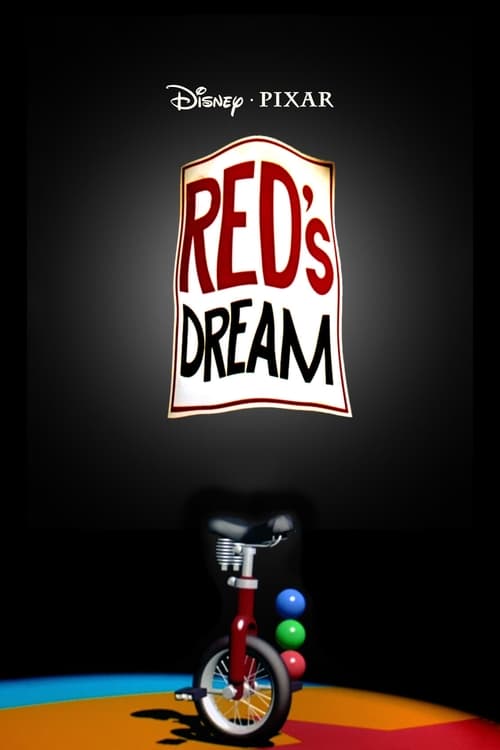
Red's Dream
1987
No user ratings available yet
Representation score: 0.1 out of 10
Representation Score
Minimal
1988
GDirector
John Lasseter
Runtime
5 minutes
Average Rating
No ratings yetNew Showbiz Analysis
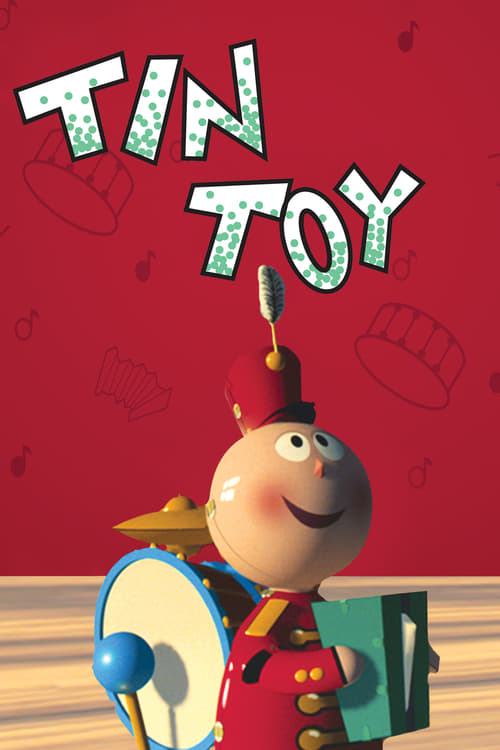
Tin Toy primarily serves as a technical milestone in computer animation rather than a platform for sociopolitical commentary. The narrative is a brief, slapstick encounter between a toy and a baby, which precludes the development of complex identity-based themes. Since the characters are non-human, mechanical entities, the film lacks the framework to explore race, ethnicity, or sexual orientation. The absence of these elements is a result of the film's short, situational nature. While the film avoids reinforcing traditional gender hierarchies through its toy characters, it does not engage with progressive narrative frameworks or systemic power dynamics.
Category Breakdown
The film focuses on interactions between inanimate objects and does not depict any romantic orientation or non-cisgender expressions.
The anthropomorphized toys avoid traditional gender hierarchies by removing human biological markers. However, the film does not actively challenge patriarchal roles.
The characters are mechanical entities without human ethnicity or racial markers. The narrative centers on the conflict between mechanical and organic entities, rather than human demographics.
The story follows a traditional domestic framework centered around a standard family unit. It does not critique Western institutions or organized religion.
There are no characters with physical, sensory, or neurodivergent disabilities. The conflict is purely situational and mechanical between a toy and an infant.
Present on Screen
Limited or Absent
Official Synopsis
Babies are hardly monster-like, unless you're a toy. After escaping a drooling baby, Tinny realizes that he wants to be played with after all. But in the amount of time it takes him to discover this, the baby's attention moves on to other things only an infant could find interesting.
1987
2002

1997
1972

1989

1997
1986
1981
No reviews yet. Be the first to share your thoughts on this movie!
Use the rating form above to leave a star rating and optional review.