Mandela: Long Walk to Freedom
2013
No user ratings available yet
Representation score: 4.7 out of 10
Representation Score
Fair
1982
PGDirector
Richard Attenborough
Runtime
192 minutes
Average Rating
No ratings yetNew Showbiz Analysis
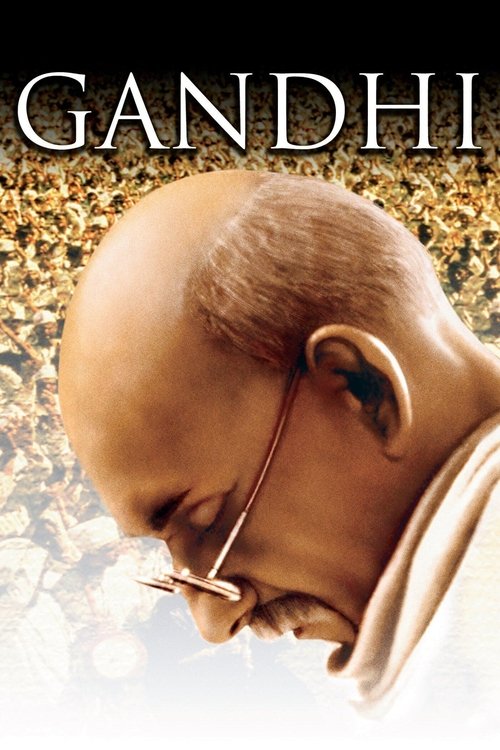
Gandhi is a sweeping biographical epic that challenges traditional Western-centric storytelling by centering the Indian struggle for independence. The film dismantles imperialist structures and prioritizes racial ability to act. However, the narrative remains constrained by the historical period it depicts, with a heavy focus on male figures and traditional gender roles. The film's strengths lie in its portrayal of religious pluralism and its critique of colonial authority, while it lacks LGBTQ+ or disability representation.
Category Breakdown
The film follows the social norms and realities of the early 20th century and does not include any notable queer narratives or non-straight identities.
The narrative focuses heavily on male figures, particularly Gandhi's political and philosophical journey. While Kasturba Gandhi is central, her role is mainly defined by her relationship with her husband.
The film stands out by featuring an Indian protagonist and a predominantly non-Anglo-Saxon cast. It highlights the struggles against systemic racial segregation and discrimination faced by Indians in South Africa.
The story emphasizes religious pluralism, showcasing the intersection of Hindu and Muslim identities. It also critiques Western institutional power and colonial capitalism.
There are no prominent depictions of visible or invisible disabilities used as central character arcs or plot devices.
Present on Screen
Limited or Absent
Official Synopsis
In the early years of the 20th century, Mohandas K. Gandhi, a British-trained lawyer, forsakes all worldly possessions to take up the cause of Indian independence. Faced with armed resistance from the British government, Gandhi adopts a policy of 'passive resistance', endeavouring to win freedom for his people without resorting to bloodshed.
2013
1990

1992

1937

1981
1987

2008

1941
No reviews yet. Be the first to share your thoughts on this movie!
Use the rating form above to leave a star rating and optional review.