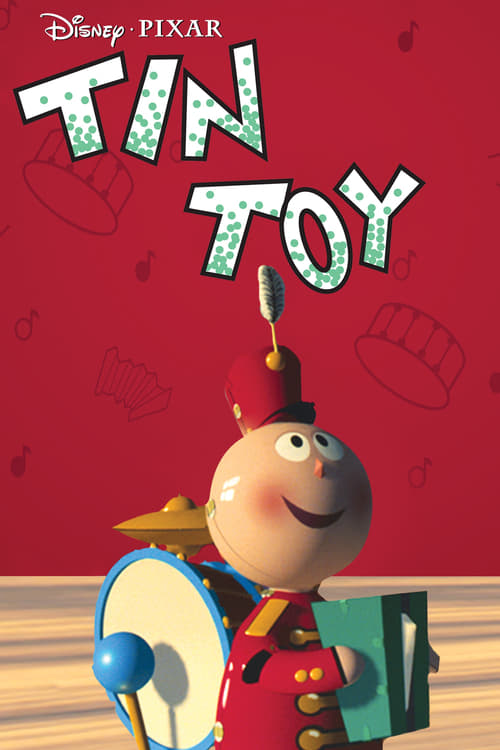
Tin Toy
1988
No user ratings available yet
Representation score: 0.9 out of 10
Representation Score
Minimal
1986
GDirector
John Lasseter
Runtime
2 minutes
Average Rating
No ratings yetNew Showbiz Analysis
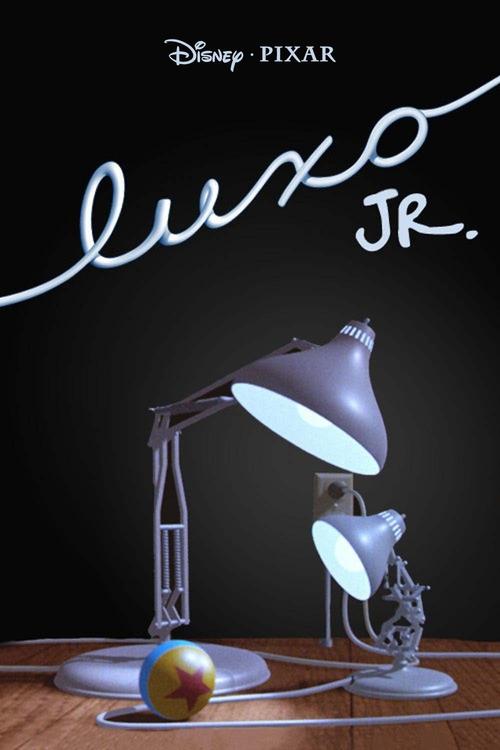
Luxo Jr. is a technical masterpiece that emphasizes the emotional expression of inanimate objects rather than social commentary. The narrative centers on the physics of movement and the bond between a parent and child. Since the film lacks human characters, it doesn't address characters who reflect more than one aspect of diversity. It neither challenges nor promotes social hierarchies, existing in a space free of social context. The director prioritizes technical innovation over social critique. This results in a work that is neutral regarding progressive values and demographic representation.
Category Breakdown
The film does not depict gender identity or sexual orientation. Since the main characters are inanimate objects, there is no queer subtext or identity-based storytelling.
The story relies on a traditional parent-child relationship. Although the lamps don't have biological sex, the dynamic reinforces a typical hierarchy where parents supervise and children are energetic.
The setting is a neutral environment with no racial or ethnic identifiers. Since the characters are non-human objects, there are no racial or cultural distinctions.
The film avoids specific religious or cultural references. It presents a traditional family structure through a mechanical perspective.
There are no depictions of physical, sensory, or neurodivergent traits. The characters operate strictly according to their mechanical design.
Present on Screen
Limited or Absent
Official Synopsis
A baby lamp finds a ball to play with and it's all fun and games until the ball bursts. Just when the elder Luxo thinks his kid will settle down for a bit, Luxo Jr. finds a ball ten times bigger.
1988
2002

1989
2021
1991

1979
1991

1991
No reviews yet. Be the first to share your thoughts on this movie!
Use the rating form above to leave a star rating and optional review.