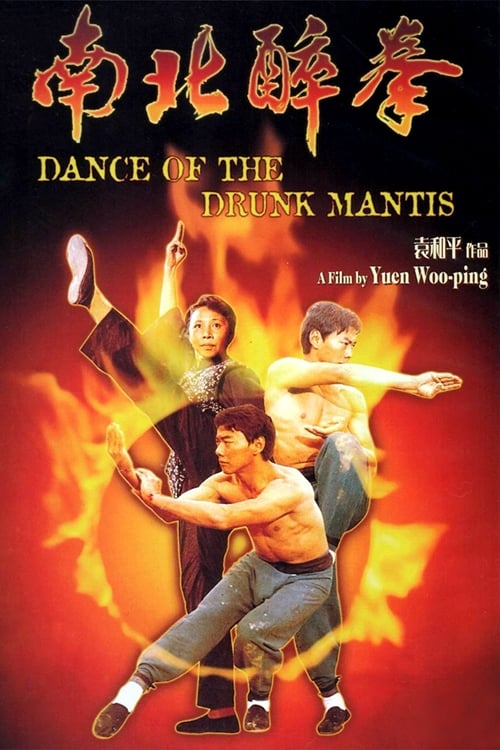
Dance of the Drunk Mantis
1979
No user ratings available yet
Representation score: 3.5 out of 10

Representation Score
Limited
1978
PG-13Director
Yuen Woo-ping
Runtime
111 minutes
Average Rating
No ratings yetNew Showbiz Analysis
Drunken Master is a genre-defining work that excels in cultural authenticity and ethnic specificity. It provides a culturally specific portrayal of Chinese identity and social structures during the late Qing Dynasty. However, the film adheres to traditional gender hierarchies and lacks diverse representation. The focus remains on male mentorship and combat rivalry, leaving little room for varied identities. Ultimately, the film's strength lies in its celebration of specific cultural traditions rather than the subversion of systemic social structures.
Category Breakdown
The film follows a traditional framework that assumes everyone is straight or cisgender. There are no non-cisgender identities or narratives that question this assumption.
The story focuses primarily on the male protagonist's journey, with male characters having more control over the plot. Female characters play supporting roles and have less influence over events.
The film features a predominantly Chinese cast, offering a strong portrayal of Chinese culture. It highlights indigenous martial arts traditions and cultural heritage.
The story examines martial arts hierarchies and the master-student relationship. While the protagonist challenges strict authority, the narrative ultimately upholds respect for established social order.
The film does not significantly address visible or invisible disabilities. The drunken fighting style is a specialized technique rather than a depiction of physical impairment.
Present on Screen
Limited or Absent
Official Synopsis
After getting into trouble, a mischievous young man is sent to train under a brutal, but slovenly old beggar, who teaches him the secret of the Drunken Fist.
1979

1978

1984
1979
1979

2020

1977
1979
No reviews yet. Be the first to share your thoughts on this movie!
Use the rating form above to leave a star rating and optional review.