
Bloodsport
1988
No user ratings available yet
Representation score: 3.6 out of 10
Representation Score
Limited
1973
RDirector
Robert Clouse
Runtime
102 minutes
Average Rating
No ratings yetNew Showbiz Analysis
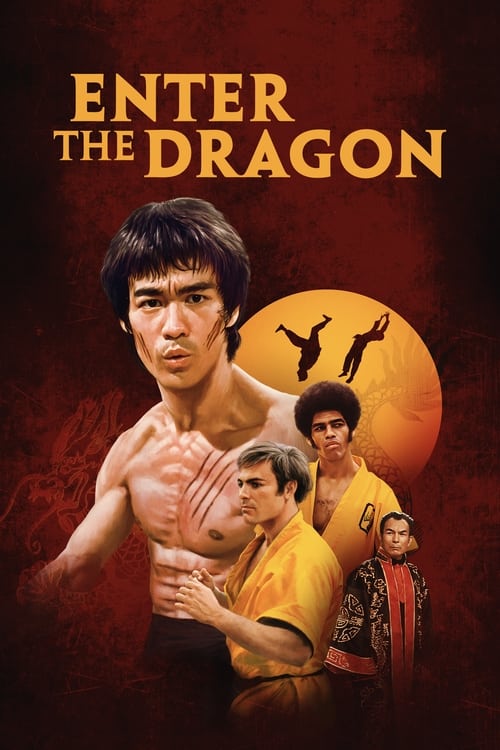
Enter the Dragon is a study in cinematic contradictions. It serves as a groundbreaking milestone for racial representation by centering an Asian lead with immense physical and intellectual ability to act. This disrupts the subservient clichés common in 1970s Western cinema. However, these advancements are offset by traditional social frameworks. The film operates within a heavily patriarchal structure where women lack substantive ability to act or dialogue. It also lacks any LGBTQ+ presence or disability representation. Ultimately, the film's impact is driven by its ability to challenge racial hierarchies, even as it adheres to the era's standard gender and social norms.
Category Breakdown
The film follows a strictly straight-centered structure with no queer characters or non-assuming gender matches what was assigned at birth identities present.
The story centers on male physical prowess and competition. Female characters act as secondary spectators or romantic interests rather than active agents.
This film is a landmark for placing an Asian protagonist in a position of supreme ability to act. The international cast emphasizes a globalized, non-Anglo-Saxon majority.
The narrative explores moral relativism through vigilantism on a private island. It focuses on individual mastery rather than systemic political or religious frameworks.
There is no representation of physical or neurodivergent disabilities. Characters are defined entirely by their physical perfection and combat readiness.
Present on Screen
Limited or Absent
Official Synopsis
A martial artist agrees to spy on a reclusive crime lord using his invitation to a tournament there as cover.
1988
1976
1980
1975

1978
1989

1972

1985
No reviews yet. Be the first to share your thoughts on this movie!
Use the rating form above to leave a star rating and optional review.