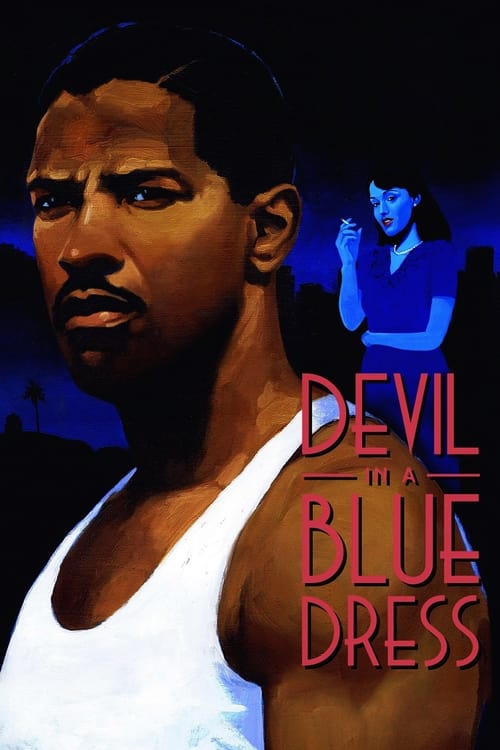
Devil in a Blue Dress
1995
No user ratings available yet
Diversity score: 7.0 out of 10

1967
PG-13Director
Norman Jewison
Runtime
109 minutes
Average Rating
No ratings yetSynopsis
African-American Philadelphia police detective Virgil Tibbs is arrested on suspicion of murder by Bill Gillespie, the racist police chief of tiny Sparta, Mississippi. After Tibbs proves not only his own innocence but that of another man, he joins forces with Gillespie to track down the real killer. Their investigation takes them through every social level of the town, with Tibbs making enemies as well as unlikely friends as he hunts for the truth.
Overall Score
Good
Category Breakdown
LGBTQ+ Representation
The film lacks LGBTQ+ characters or non-heteronormative narratives. It remains strictly focused on the racial and procedural conflicts of the Mississippi setting.
Gender Representation
Agency resides primarily with the male protagonists. While female characters are central to the plot, they function as catalysts for the investigation rather than independent agents.
Racial & Ethnic Diversity
The film centers a Black protagonist with immense professional agency and intellectual authority. It disrupts expectations by positioning a Black man as the most competent investigator in a segregated environment.
Religious & Cultural Diversity
The narrative offers a profound critique of Southern social institutions and segregated norms. It portrays local power structures as corrupt and obstructive to the pursuit of justice.
Disability Representation
No significant depictions of physical or neurodivergent disabilities are central to the narrative arc.
Strengths
Areas for Improvement
AI Analysis
In the Heat of the Night is a landmark achievement in racial representation, centering a Black detective whose competence challenges the systemic prejudices of the American South. Virgil Tibbs serves as a disruptive force against a biased institutional framework, making the film a pivotal work for its era. However, the film adheres to the social and gendered constraints of 1967. The narrative focus is almost entirely on racial tension and procedural mystery, leaving little room for queer narratives or gender-subversive themes. Female characters, while vital to the plot, lack the same level of agency afforded to the men. Ultimately, the film's strength lies in its ability to use character depth to critique regional power structures. While it does not explore a wide breadth of identities, its sophisticated handling of racial agency elevates its impact.
1995
1996

2009
2006
1984

2017
1947
1980
1974
2011
1952
1981
No reviews yet. Be the first to share your thoughts on this movie!
Use the rating form above to leave a star rating and optional review.