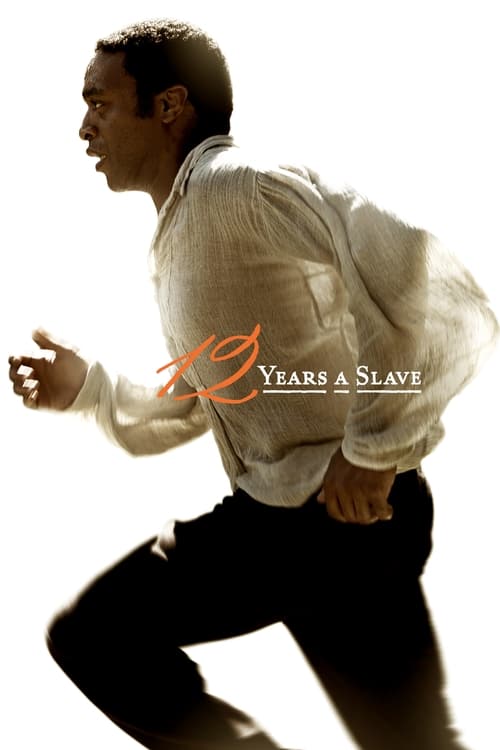
12 Years a Slave
2013
No user ratings available yet
Representation score: 6.0 out of 10

Representation Score
Good
1985
PG-13Director
Steven Spielberg
Runtime
154 minutes
Average Rating
No ratings yetNew Showbiz Analysis
The Color Purple is a masterclass in storytelling that reflects multiple aspects of identity. It successfully dismantles patriarchal, racial, and religious hierarchies to center the experiences of those who are often sidelined. By framing the breakdown of traditional institutions as a path to empowerment, the film offers a progressive narrative of identity-driven liberation. The film's strength lies in its sophisticated visual language and its ability to weave systemic pressures into the very fabric of the characters' lives. It moves beyond surface-level representation to explore how race, gender, and sexuality overlap to shape human experience. While the film lacks specific depictions of physical disabilities, its exploration of psychological trauma provides significant depth. It remains a landmark work for its nuanced portrayal of communal strength and personal autonomy.
Category Breakdown
The film disrupts the assumption that everyone is straight or cisgender through the central bond between Celie and Shug Avery. This intimate relationship serves as a vital catalyst for the protagonist's personal liberation.
The narrative challenges the idea that men have control over the story. Instead, it highlights women's ability to drive the story through complex, dialogue-driven dynamics between them.
This is an exceptional portrayal of the Black female experience in the Jim Crow South. Race is integrated into the characters' struggles for survival and dignity rather than serving as a backdrop.
The film critiques traditional religious dogma and the nuclear family as sites of oppression. It instead elevates communal support and a subjective, pantheistic spirituality.
The story explores profound psychological trauma resulting from systemic abuse. However, no specific physical or neurodivergent disabilities serve as primary narrative drivers.
Present on Screen
Limited or Absent
Official Synopsis
An epic tale spanning forty years in the life of Celie, an African-American woman living in the South who survives incredible abuse and bigotry. After Celie's abusive father marries her off to the equally debasing 'Mister' Albert Johnson, things go from bad to worse, leaving Celie to find companionship anywhere she can. She perseveres, holding on to her dream of one day being reunited with her sister in Africa.
2013
1990

2019

1959

1993
1981
2013
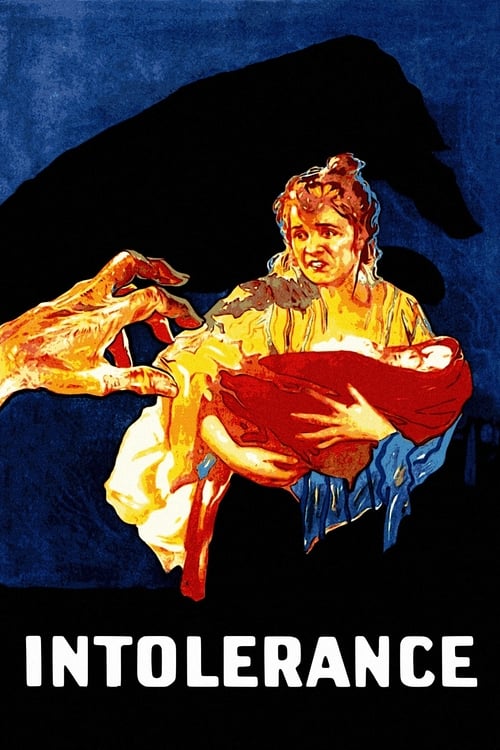
1916
No reviews yet. Be the first to share your thoughts on this movie!
Use the rating form above to leave a star rating and optional review.