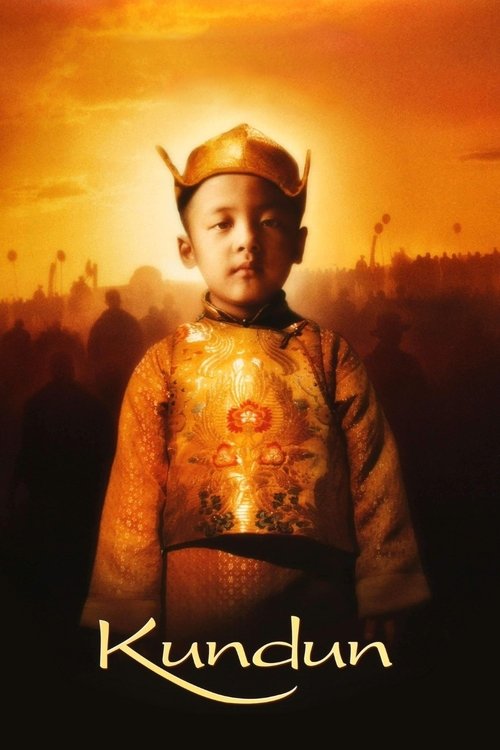
Kundun
1997
No user ratings available yet
Representation score: 3.3 out of 10
Representation Score
Good
1987
PG-13Director
Bernardo Bertolucci
Runtime
163 minutes
Average Rating
No ratings yetNew Showbiz Analysis
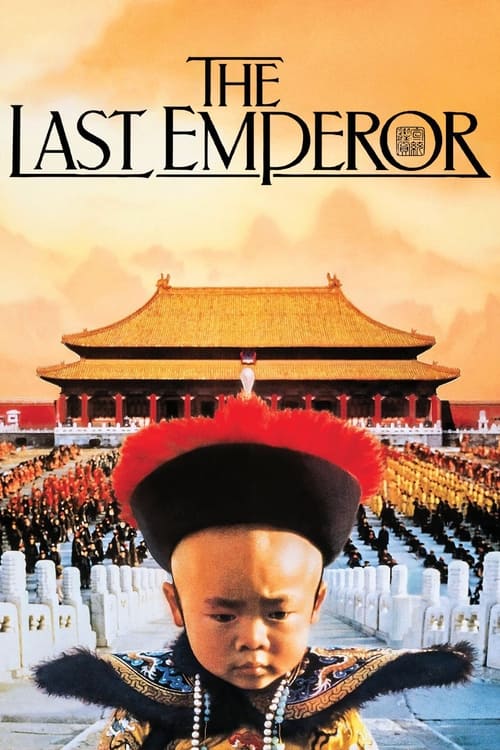
Bernardo Bertolucci’s epic stands out as a significant work of post-colonial cinema by challenging Western-centric historical narratives. Its main strength lies in its authentic casting and the intricate exploration of Chinese sovereignty and the transition from feudal monarchy to a socialist state. However, the film adheres to the rigid social structures of its time. It does not include any representation of LGBTQ+ identities or non-cisgender characters, and it upholds a traditional patriarchal view of gender roles. Overall, the film’s value is in its critique of monarchical power and its candid examination of systemic historical shifts, offering a non-Western perspective on the 20th century.
Category Breakdown
The film follows the traditional social frameworks of the Qing Dynasty and later periods. It does not depict any non-cisgender identities or same-sex relationships.
The narrative highlights the patriarchal structure of the Forbidden City through its portrayal of concubines. However, these women are shown within very restrictive roles that reinforce gender hierarchies.
The film avoids typical Western period epic pitfalls by using a predominantly Chinese cast. It provides a non-Anglo-centric view of Chinese sovereignty and the effects of colonialism.
The film examines the fall of the 'Mandate of Heaven' and the rise of a socialist state. It looks at the tension between individual freedom and collective state authority.
The story touches on the protagonist's psychological struggles and the mental impact of political changes. These elements focus on character development rather than intentional representations of neurodivergence or physical disabilities.
Present on Screen
Limited or Absent
Official Synopsis
A dramatic history of Pu Yi, the last of the Emperors of China, from his lofty birth and brief reign in the Forbidden City, the object of worship by half a billion people; through his abdication, his decline and dissolute lifestyle; his exploitation by the invading Japanese, and finally to his obscure existence as just another peasant worker in the People's Republic.
1997
1959
1993
1963

2006
1989
2013
1934
No reviews yet. Be the first to share your thoughts on this movie!
Use the rating form above to leave a star rating and optional review.