Spider-Man: Across the Spider-Verse
2023
PGNo user ratings available yet
Representation score: 9.6 out of 10
These lists use approved racial and ethnic representation scores for animated films that have written notes. Highest-scoring films are those whose notes describe more on-screen racial and ethnic representation. Lowest-scoring films are those whose notes describe little. Neither list is a quality ranking.
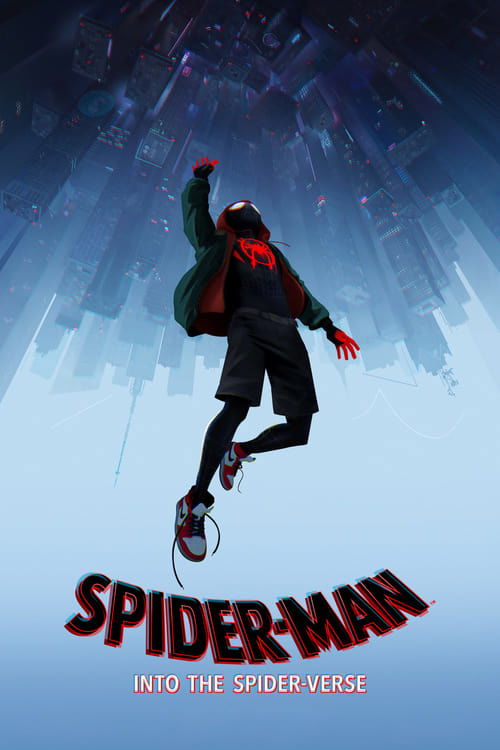
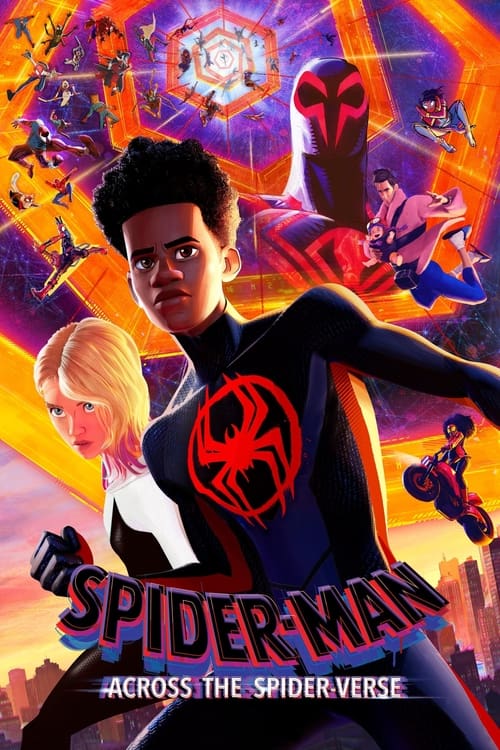
Miles Morales serves as a central Afro-Latino figure, moving away from the traditional white superhero archetype. The cast includes characters from around the world, emphasizing diversity as a foundational element.
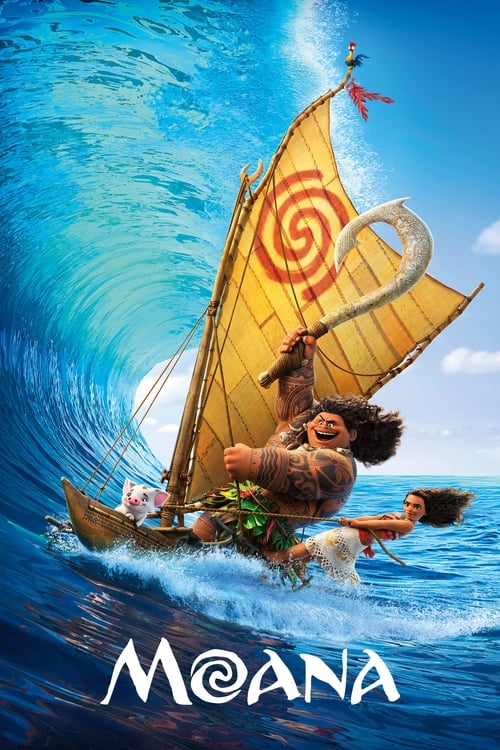
By highlighting Polynesian mythology and voyaging traditions, the film steers clear of Western-centric discovery clichés. Authentic representation is achieved through casting and design that emphasize Pacific Islander aesthetics.
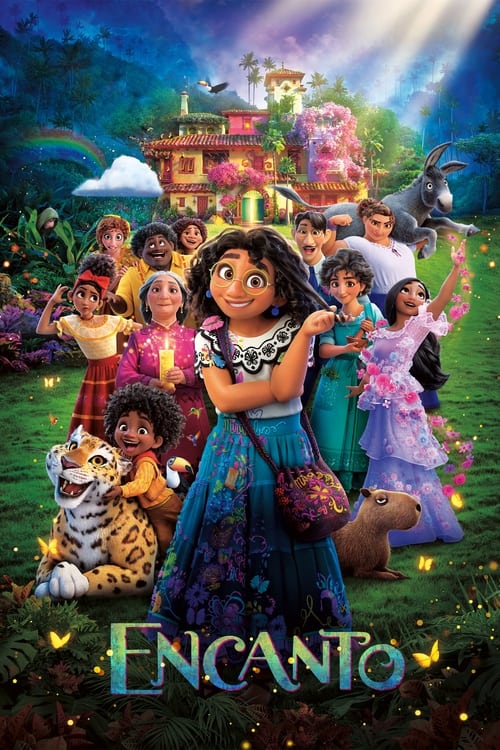
This film is an exceptional model of cultural specificity. It features a predominantly Afro-Latino and Mestizo cast within a deeply realized, authentic Colombian setting.
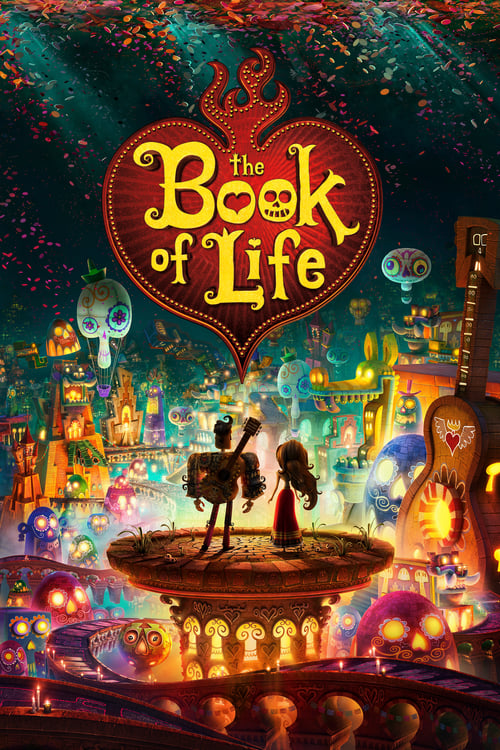
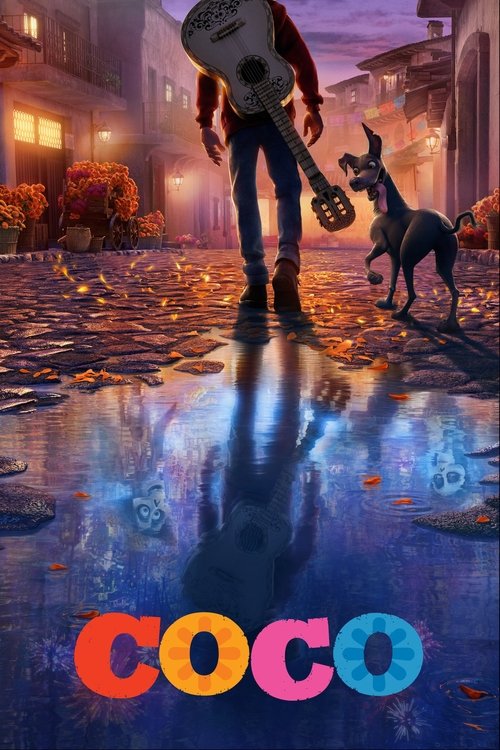
The film is a profound celebration of Mexican culture. It uses folk-art aesthetics and a Latino cast to create a deeply immersive cultural experience.
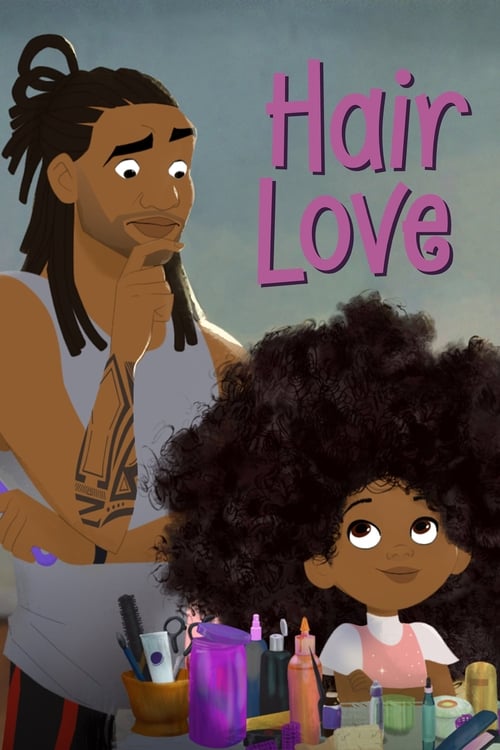
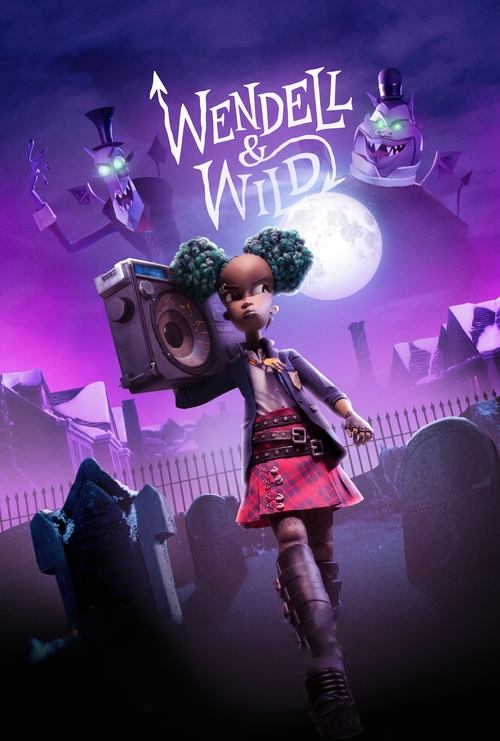
This work celebrates Black identity by centering the cultural ritual of natural hair care. It moves beyond including someone from a minority group without giving them real depth to treat specific ethnic textures as a central plot driver.
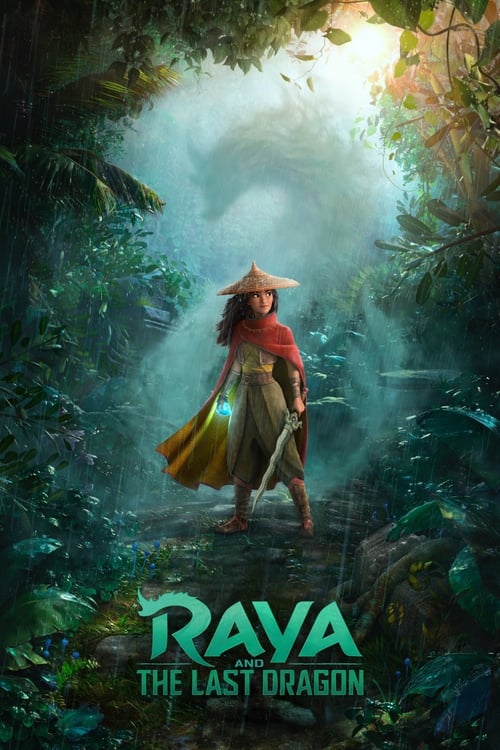
The film showcases authentic Southeast Asian aesthetics, architecture, and cuisine, offering a culturally rich and diverse setting that contrasts with typical Western fantasy landscapes.
The film stands out by centering Black identity through Joe Gardner’s artistic role in jazz. It avoids typical struggle narratives, instead offering a nuanced, organic depiction of Black professional life and community.
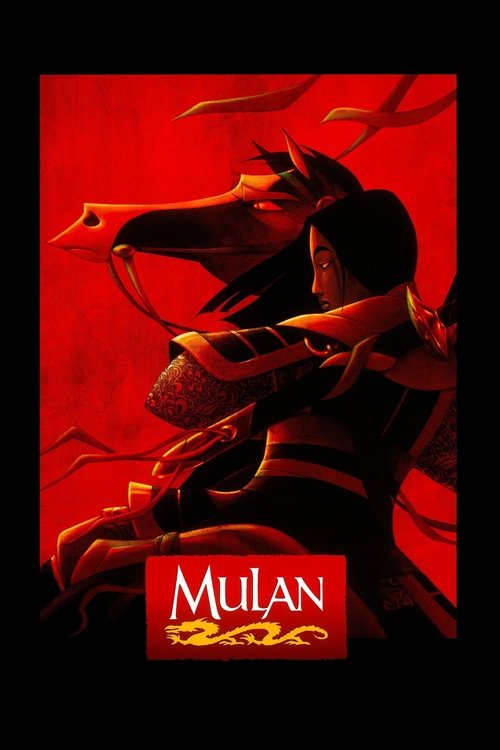
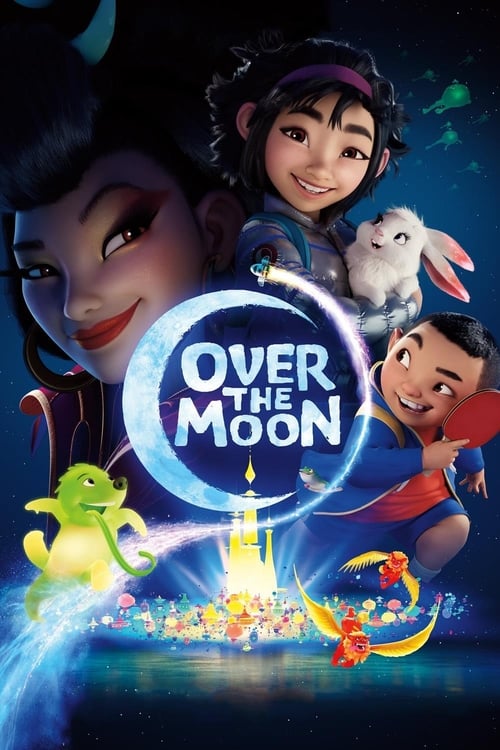
The film presents a unified portrayal of Imperial China with an entirely East Asian cast. It uses Chinese folklore and aesthetics as a core part of the narrative rather than just a backdrop.
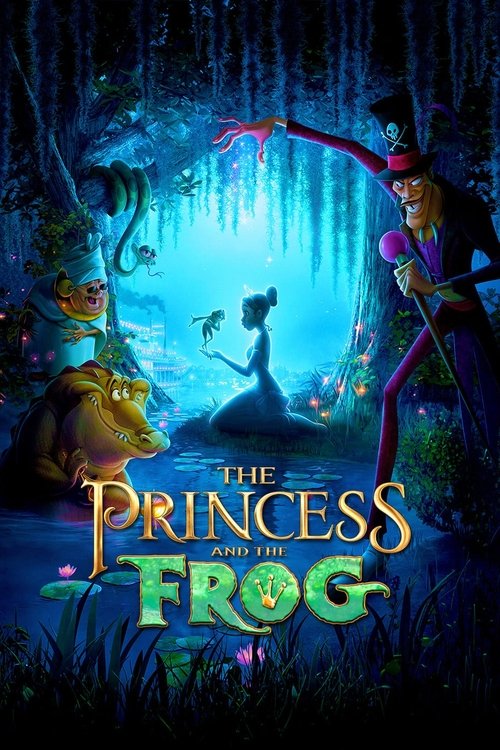
Centering an African-American protagonist and an all-Black primary ensemble marks a landmark shift for the studio. The 1920s New Orleans setting integrates jazz culture and socioeconomic depth.
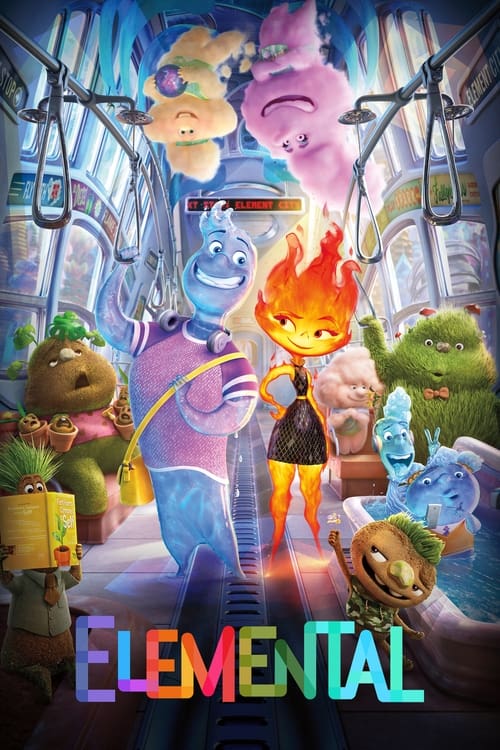
Elemental species act as metaphors for racial and ethnic diversity. The Fire elements navigate a city optimized for Water and Air, highlighting the challenges faced by first-generation immigrants.
The film excels by centering a Chinese-American protagonist within authentic folklore. It uses Chinese motifs and mythology to provide a rich, non-Western narrative framework.
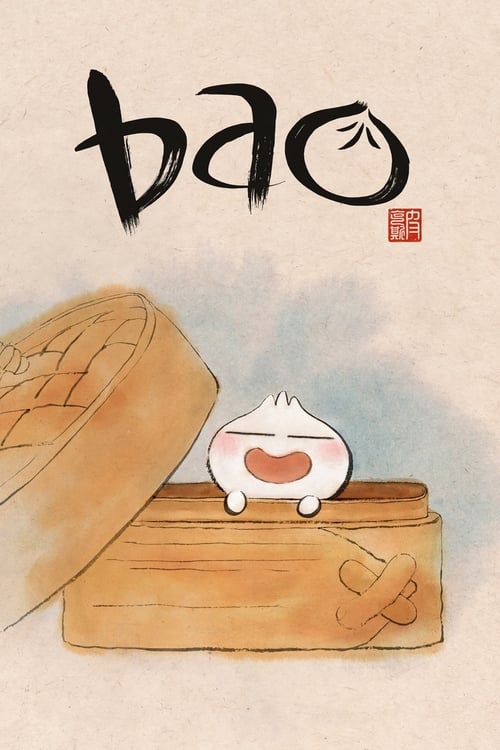
The film excels through deep cultural specificity, integrating East Asian culinary traditions and linguistic nuances. It successfully challenges animation's historical homogeneity by prioritizing an East Asian protagonist.
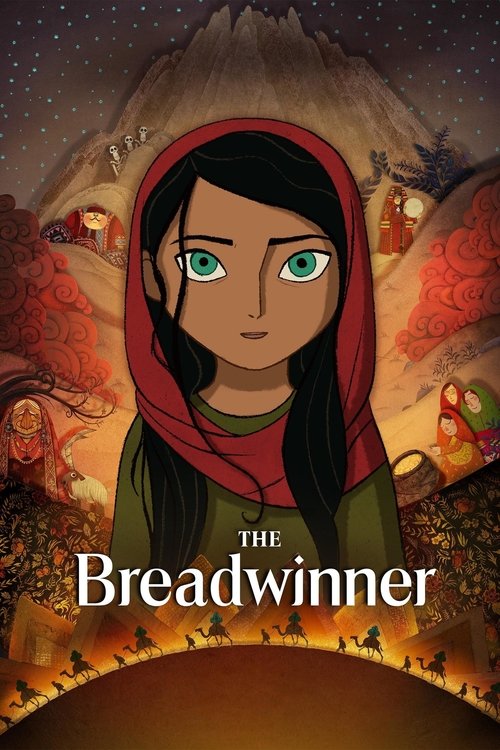
The film authentically portrays Afghan identity. It avoids a Western perspective by centering the lived experiences and ability to act of characters within their own socio-political context in Kabul.
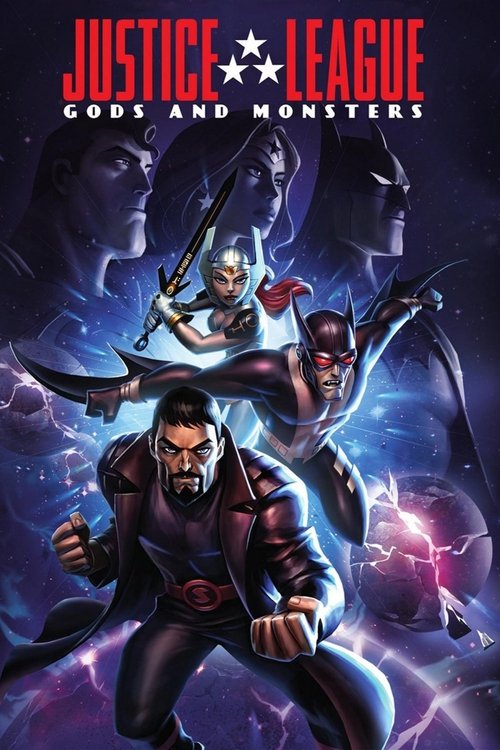
The film intentionally changes Superman to a Black man named Calvin Ellis. This choice challenges the traditionally white image of superheroes and adds diversity.
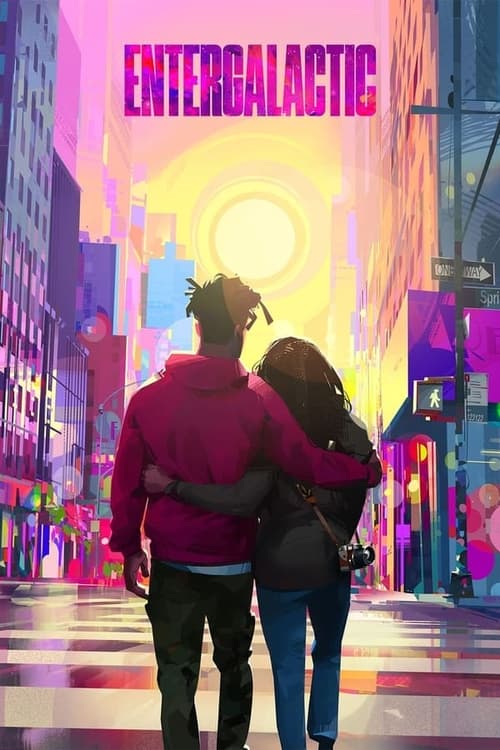
The film stands out by featuring a predominantly Black cast and emphasizing Black culture, fashion, music, and lifestyle. It presents Black protagonists in aspirational, high-concept roles.
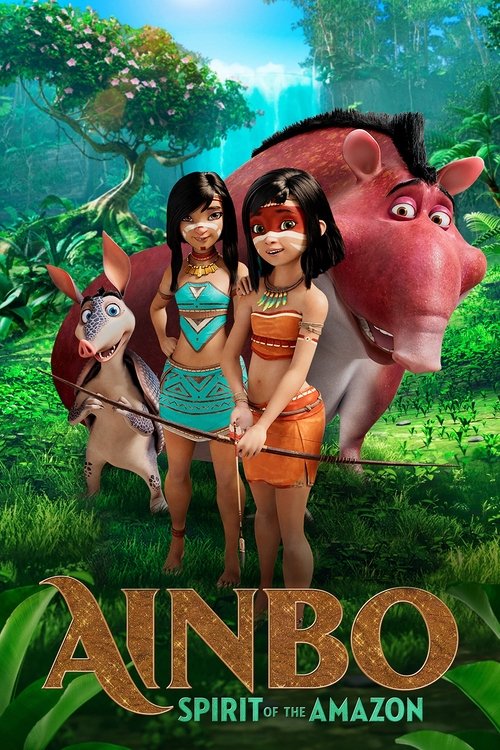
The film excels in ethnic authenticity by focusing on an indigenous protagonist and Amazonian perspective. This approach highlights indigenous ability to act rather than including someone from a minority group without giving them real depth.
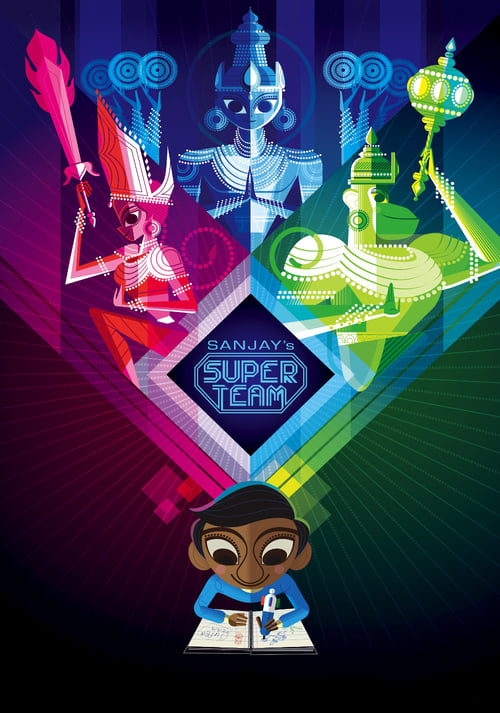
The film showcases South Asian identity by casting Hindu deities as central superheroes, breaking the mold of Western-centric superhero narratives with vibrant, culturally specific imagery.
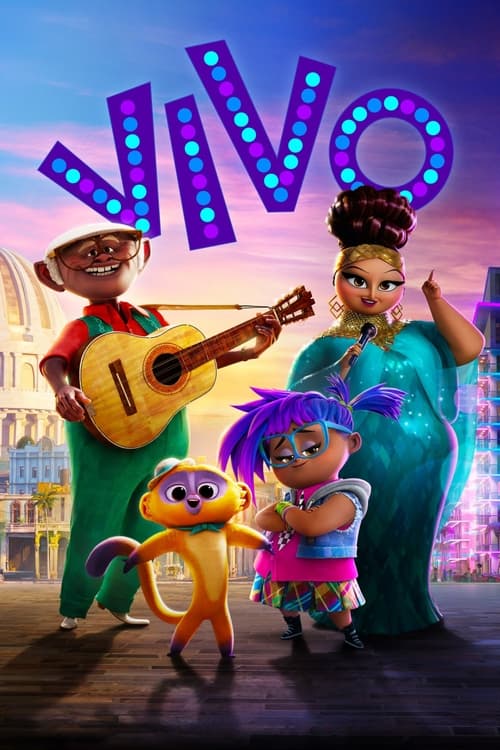
The film features authentic Latino casting and cultural framing, with a predominantly Latino voice cast and settings in Havana and Miami. This ensures that racial identity is integral to the plot, providing a refreshing alternative to mainstream animation norms.
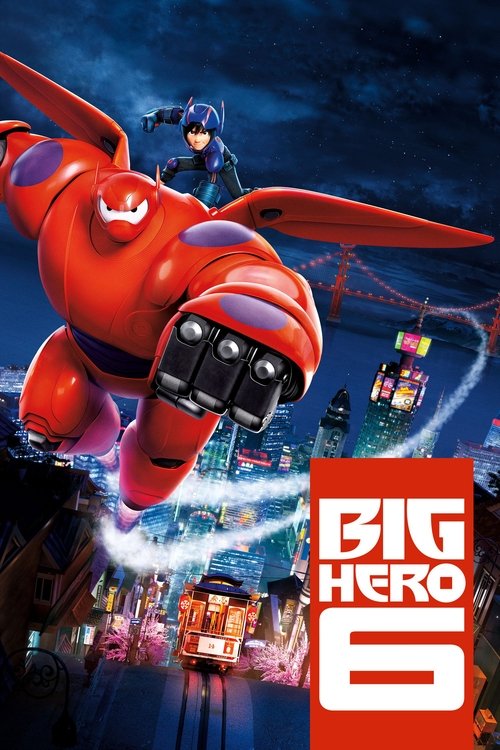
San Fransokyo serves as a visual metaphor for cultural synthesis. The cast is diverse, featuring Japanese protagonists and a multicultural ensemble that avoids a Western-centric lens.
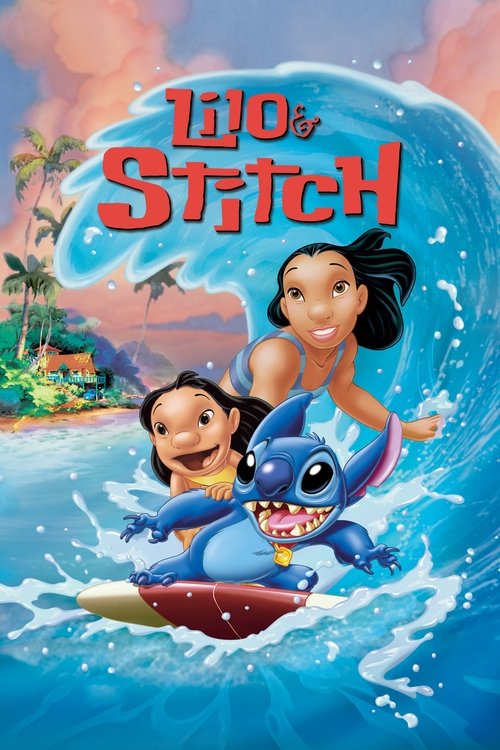
The film successfully integrates Native Hawaiian identity and language into its main themes. It emphasizes the lived experiences of indigenous people rather than a Western tourist perspective.
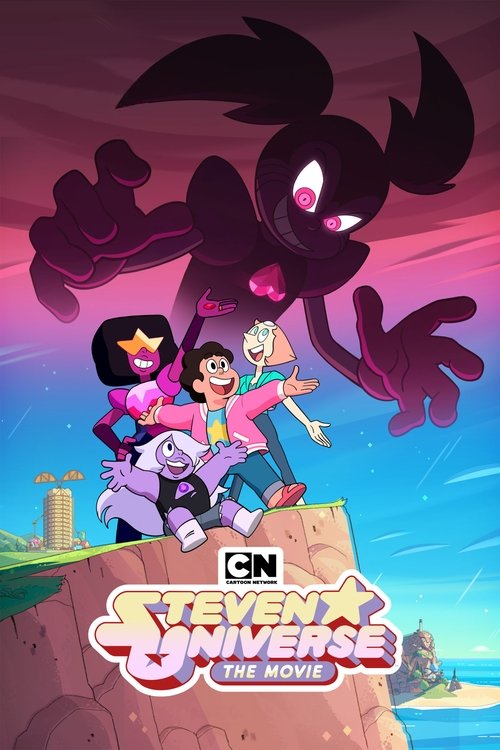
The series showcases a diverse cast of characters from various species such as Togruta, Wookiee, and Zabrak, which symbolize ethnic diversity. This multi-species ensemble promotes a pluralistic society by moving away from a homogeneous protagonist model.
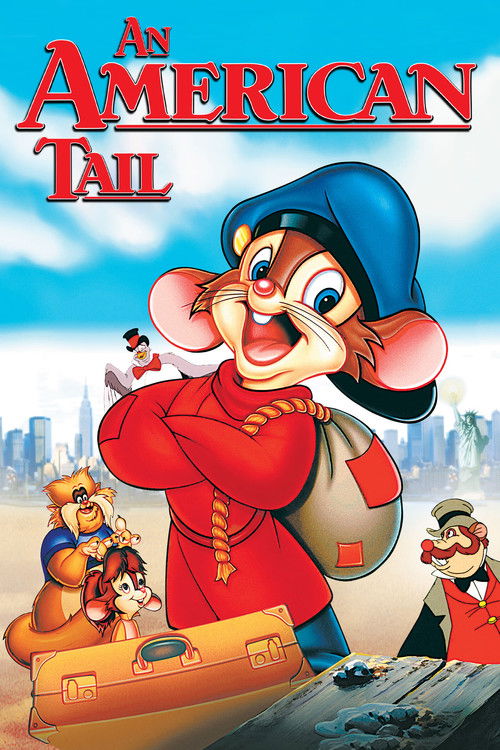
The story uses animal characters to represent the experiences of Jewish immigrants escaping Russian oppression. This approach offers a sophisticated exploration of ethnic minorities adapting to a challenging new environment.
The film uses a post-colonial perspective to explore the identity of indigenous people. It highlights the conflict between colonial rule and native Irish traditions.
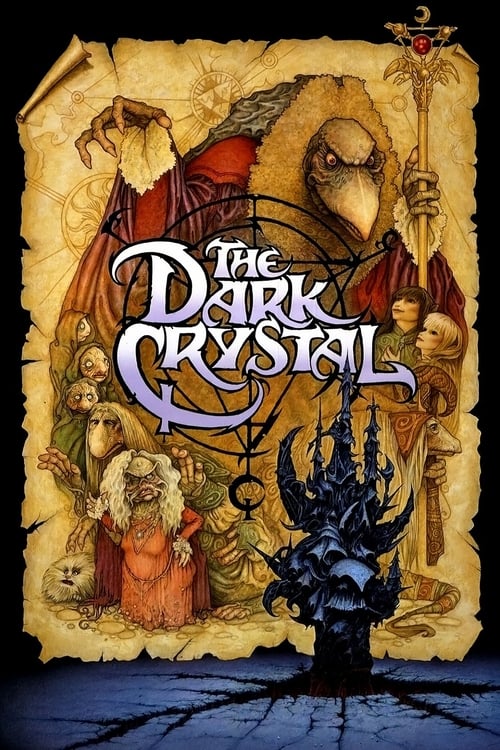
The film uses diverse creature designs like Gelflings and Skeksis to represent various cultures and ethnicities. These creatures symbolize different backgrounds and ways of life, creating a rich tapestry of otherness.
Non-human species act as advanced symbols for ethnic and racial diversity. The film's visual design critiques uniform beauty standards by presenting a universe where varied physical appearances are normal.
The story focuses on a Black female protagonist and her mother, exploring generational trauma through their identities. This avoids a default white setting and highlights their unique experiences.
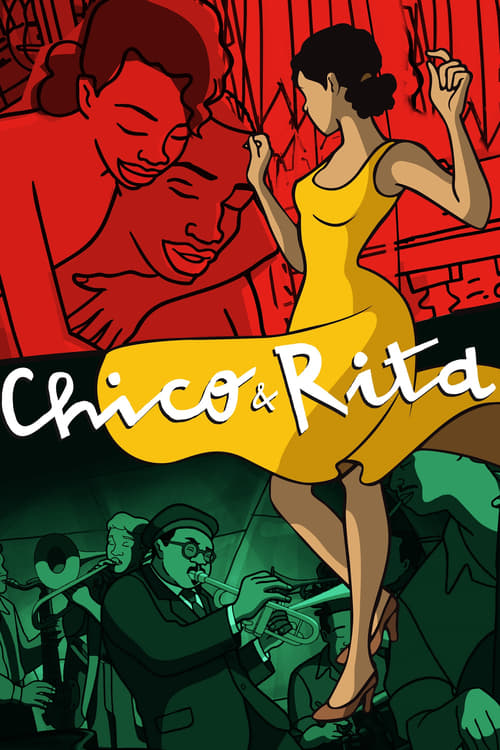
The film excels in depicting Afro-Cuban and Latin American identities. It centers on the jazz and bolero cultures of 1940s Havana with rich detail.
The cast is predominantly Latino, with cultural wisdom sourced from within the family unit rather than external figures. Mexican traditions are depicted with reverence, and the story avoids colonial or white-savior dynamics entirely.
Miles Morales, a Black-Latino teenager, is the protagonist and primary hero. The film centers a non-white character in a world where the default hero is white.
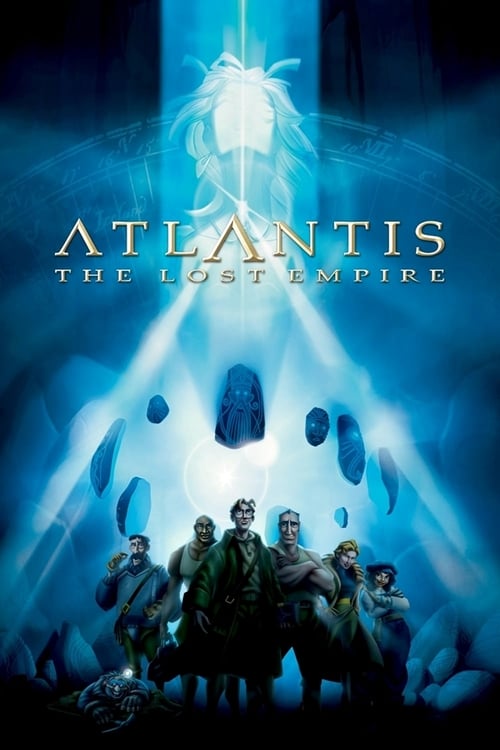
The film features a multi-ethnic crew that adds diversity within the 1914 setting. The Atlantean civilization is shown as a sophisticated, advanced society rather than a primitive culture.
A diverse, multi-species crew effectively serves as a metaphor for racial and ethnic inclusivity. The space opera setting allows for a microcosm of a globalized, post-colonial society.
The film centers on Tip, a Black girl, in a high-stakes adventure. The Boov are used as a metaphor for underrepresented outsiders.
The film highlights a Black protagonist in a role requiring strong leadership and physical abilities. This breaks the usual trend of white characters leading major studio productions, offering a fresh perspective.
The story centers around Hispanic/Latino protagonists and an Indigenous-inspired civilization. It portrays Spanish conquistadors as the antagonists, emphasizing the autonomy of the non-Western culture.
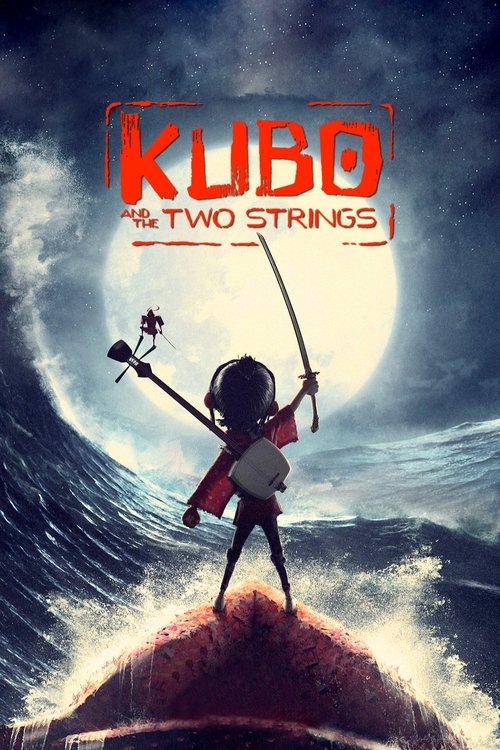
The film incorporates a Japanese-inspired aesthetic and traditional shamisen music. This dedication to cultural specifics avoids a generic Western style, embedding identity within the magic system.
Set in modern-day Shanghai, the film features a Chinese protagonist navigating a Chinese environment. This challenges Western-centric norms in animated storytelling.
The story primarily features Chinese actors and takes place in Shanghai. It avoids a Western perspective by emphasizing East Asian cultural motifs and viewpoints.
The production breaks from previous franchise norms by featuring a multiracial, Afro-Latina protagonist. This choice diversifies the hero archetype and expands the brand's visual inclusivity.
Alien species serve as metaphors for ethnic diversity. The 'Sakaarson' identity highlights unity among diverse, conquered groups facing systemic oppression.
The cast includes a wide range of racial and ethnic backgrounds within a metropolitan setting. This diverse urban community symbolizes a pluralistic society.
The film stands out by focusing on an Asian cast and a mythic Chinese setting. This shifts the focus away from Western-centric themes and integrates Eastern philosophies and martial arts traditions into the main storyline.
The film places John Stewart, a Black man, at the center of the story, where his actions drive the plot. This disrupts the genre's tendency to center white protagonists.
The Northuldra people offer a detailed look at indigenous culture and their connection to the land. This portrayal goes beyond surface-level inclusion by addressing historical conflicts between settlers and indigenous peoples.
Food items in the film represent different racial and ethnic groups. The story explores themes of segregation and breaking down barriers within a grocery store setting.
The setting celebrates Brazilian culture through Samba musicality and local aesthetics. This de-centers Western storytelling by placing the adventure within a vibrant, non-Western landscape.
The film incorporates urban culture through hip-hop aesthetics and African American voices, creating a vibrant, racially diverse cityscape that contrasts with typical animation settings.
By setting the story in a Japanese environment, the film avoids Western-centric storytelling. It uses the concept of canine exile as a metaphor for the exclusion of ethnic and social minorities.
The film features an all-Asian cast and an Imperial China setting, emphasizing East Asian culture and characters.
Diverse animation styles and a global creative team create a richly varied visual landscape. Character aesthetics reflect a wide range of ethnic backgrounds, preventing a homogeneous norm and showcasing a multifaceted, post-national setting.
Diverse alien species are used to represent a complex demographic landscape, avoiding traditional racial binaries and creating a pluralistic cosmic setting.
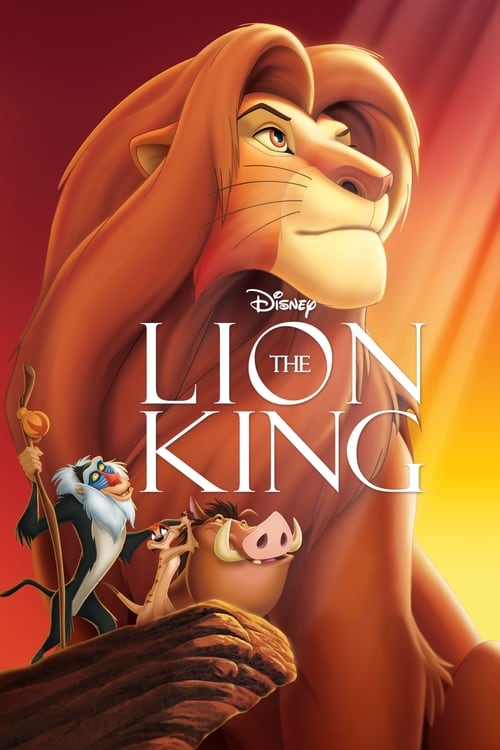
Since the film is an animal fable, it does not feature human racial or ethnic diversity. The cast includes only non-human species, which limits opportunities for racial representation.
Since the film is an animal fable set in the wilderness, it lacks human characters and thus does not provide any racial or ethnic representation.
Since the characters are all sandpipers, there is no depiction of racial or ethnic diversity, nor are species used as metaphors for human differences.
The narrative does not specify the ethnicity of the main character or his father. Therefore, the racial and ethnic backgrounds of the characters remain unspecified.
The narrative does not engage with racial or ethnic identity. The domestic setting avoids any commentary on race or the intersection of diverse cultural backgrounds.
Since the characters are non-human geological formations, the film does not engage with racial or ethnic representation. The tropical setting does not involve human social structures.
The celestial setting includes only clouds and birds, so the film does not address human racial, ethnic, or ancestral identities.
The cast includes only a human magician and an animal, preventing any meaningful engagement with racial or ethnic identities.
Due to the abstracted visual style, specific racial or ethnic identities are not clearly represented in the film.
The setting is a neutral environment with no racial or ethnic identifiers. Since the characters are non-human objects, there are no racial or cultural distinctions.
Despite a tropical beach setting, the film does not explore racial or ethnic identities. The main characters are inanimate objects, and the human presence is minimal.
The setting features anthropomorphic animals on a stylized mountain plain. Since there are no human ethnic markers, the film does not address racial diversity.
The anthropomorphic nature of the main characters makes it hard to assess racial or ethnic diversity. The urban setting avoids homogeneous depictions but doesn't actively promote diverse backgrounds.
Since the cast consists of anthropomorphic animals, the film does not address racial or ethnic identity. Adventure Bay remains a homogeneous community.
As an animation featuring anthropomorphic toy dinosaurs, traditional concepts of racial or ethnic diversity do not apply to the characters.
The characters are mechanical entities without human ethnicity or racial markers. The narrative centers on the conflict between mechanical and organic entities, rather than human demographics.
There is insufficient information regarding the ethnic composition of the cast or the visual setting to assess racial representation.
The use of anthropomorphic animals in a rural setting means there are no human characters. Consequently, the film does not depict visible racial or ethnic diversity.
The film's setting is pastoral and does not address racial or ethnic identities. There is no representation of different ethnic backgrounds or cultures.
The limited scope of the narrative provides insufficient evidence to evaluate racial or ethnic diversity. Character designs remain within established franchise norms.
The absence of human characters means there is no racial or ethnic representation. The urban setting is described through shadows and rain, without any specific cultural markers.
The city in the film is lively and rhythmic, but there is no specific mention of the ethnic backgrounds of the characters or the city itself.
The cast consists of abstract, non-humanoid figures, avoiding any representation of race or ethnicity.
The cast consists entirely of non-human, skeletal entities. This avoids racial stereotypes but provides no platform for ethnic or racial representation.
As an animated film using anthropomorphic animals, the film does not depict human races. There is no clear indication if the character designs serve as a commentary on racial dynamics.
The synopsis does not provide information about the racial or ethnic makeup of the characters. The metaphorical nature of the organs means we cannot confirm any racialized storytelling.
The provided information does not specify the racial or ethnic identities of the characters. Therefore, no assessment of racial diversity can be made.
Since the characters are anthropomorphic marine life, traditional measures of racial and ethnic diversity don't apply directly to the cast.
The cast consists entirely of non-human monsters with no human racial identities. No ethnic diversity is depicted or coded within the monster society.
The cast consists entirely of anthropomorphized marine animals. No human characters or ethnic dynamics are depicted, so no diversity is present or implied.
The human cast is visually homogeneous and white. No on-screen racial dynamics or diverse human representation exist.
The cast is entirely white, reflecting the 1995 suburban setting. No racial dynamics or diversity are depicted in the narrative.
The film features no human characters, so racial and ethnic diversity is not depicted. The animal cast does not map to specific human racial groups or historical contexts.
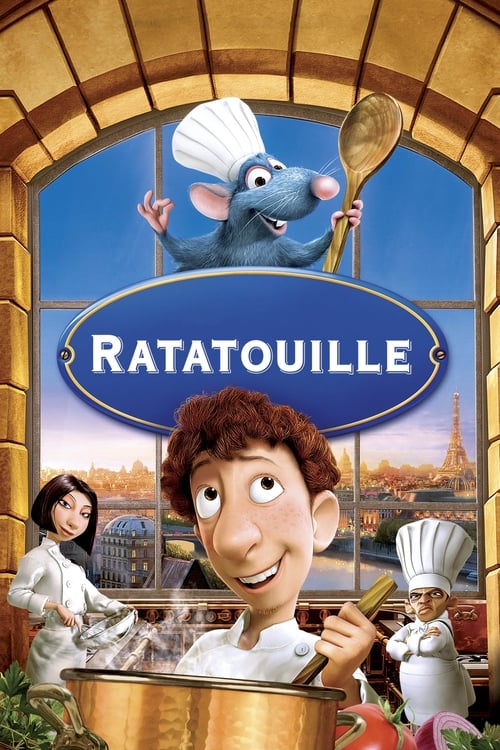
The cast is entirely white human and non-human. The story operates within a French cultural context without depicting racial diversity or cross-cultural dynamics.
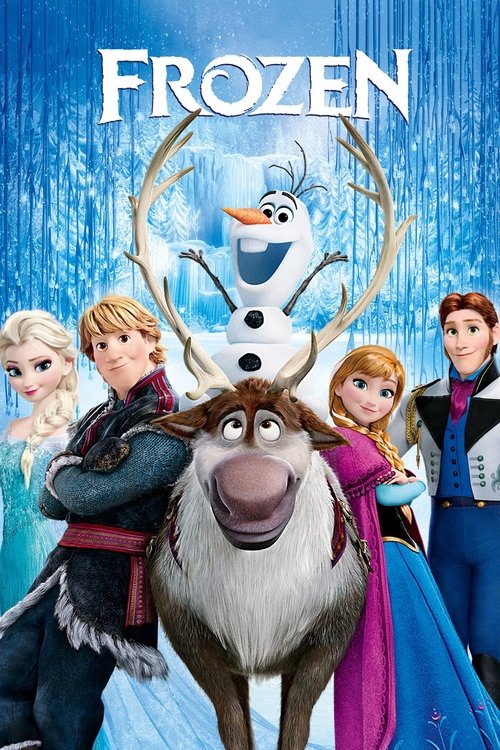
The cast is entirely white, reflecting the source material’s setting. Hans is the outsider prince, but his villainy is framed as personal deception, not ethnic otherness.
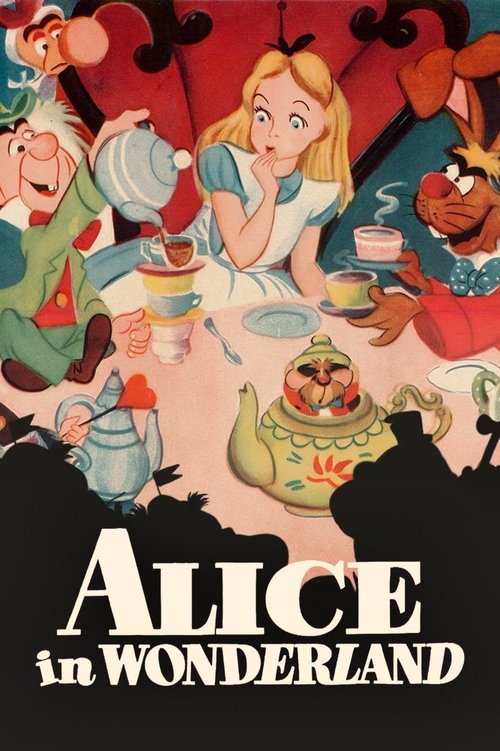
The cast is primarily white and Anglo-Saxon, reflecting mid-century Western cinema norms. There is no evidence of diverse ethnic identities or color-blind casting.
The cast and character designs reflect a homogeneous social landscape. The narrative lacks diverse ethnic backgrounds or intentional efforts toward multi-layered representation.
The film maintains a homogeneous European aesthetic typical of period fairy tales. It lacks the integration of diverse ethnic identities.
Set in rural France, the film features a largely homogeneous white European cast. It does not utilize diverse casting to challenge the historical context of the 1890s.
The film features a homogeneous cast with no evidence of diverse ethnic backgrounds.
The anthropomorphic animal characters live in a homogeneous natural environment. There is no evidence of animals representing specific ethnic or racial identities.
The characters are stylized clay figures that avoid traditional racial stereotypes. However, the film does not intentionally represent a diverse range of human identities.
The extraterrestrial cast avoids any racial or ethnic representation. The single human character is asleep, making any potential for ethnic or cultural characterization irrelevant.
The non-human cast avoids traditional human racial identifiers. The film operates within a homogeneous, whimsical vacuum without engaging in racial or ethnic complexity.
The film does not include human socioeconomic or ethnic diversity. The visual variety comes from different dinosaur species, which are not used to represent social or racial constructs.
The narrative focuses on appliances, so there are no depictions of race, ethnicity, or human social structures. The world is devoid of human social stratification.
Since the characters are animals, the film cannot depict human racial or ethnic diversity. The setting is uniform and idealized, lacking any multicultural elements.
The cast is predominantly white, with Delroy Lindo voicing a dog. South America serves as a generic, uninhabited adventure backdrop; no indigenous people or local cultures are depicted or discussed.
Human race is not a primary axis; the cast is anthropomorphic animals. Lord Farquaad, a human, is the sole villain who oppresses non-human "outsiders," leaving human racial dynamics unexplored.
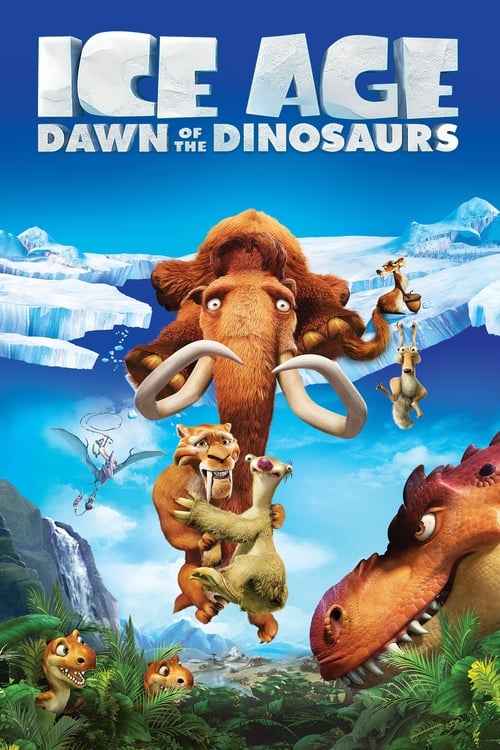
2009
PGThe animal characters do not have human racial or ethnic characteristics. The various dinosaur species act as obstacles rather than representations of human diversity.