
The House That Jack Built
2018
No user ratings available yet
Representation score: 1.5 out of 10
Representation Score
Minimal
1986
NRDirector
John McNaughton
Runtime
83 minutes
Average Rating
No ratings yetNew Showbiz Analysis
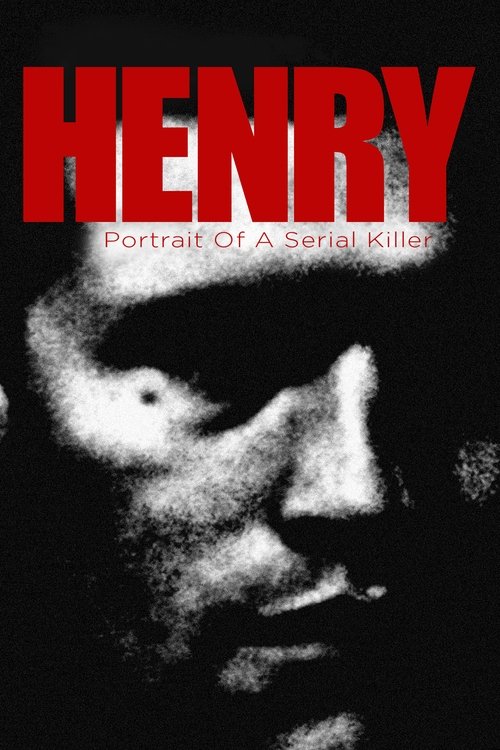
Henry: Portrait of a Serial Killer is a work of extreme nihilism that disrupts traditional storytelling by rejecting moral and just frameworks. While it offers a powerful critique of Western moralistic structures, it remains socially and demographically stagnant, lacking diverse representation. The film's impact stems from its rejection of Western social contracts and moralistic frameworks, yet it fails to offer meaningful multi-layered depth.
Category Breakdown
The film lacks any LGBTQ+ characters or exploration of non-cisgender identities, operating within a narrow, straight-focused social setting.
Women in the film are primarily portrayed as passive victims of violence rather than active drivers of the plot. Their roles lack nuance and empowerment.
The cast is predominantly white, set in a homogeneous urban environment. There are no characters of color with significant influence or ability to act.
The film explores moral relativism by rejecting traditional Christian morality. It depicts the breakdown of social institutions as a nihilistic reality.
There is no representation of visible or invisible disabilities. Characters are defined by sociopathic traits without exploring neurodivergence.
Present on Screen
Limited or Absent
Official Synopsis
Arriving in Chicago, Henry moves in with ex-con acquaintance Otis and starts schooling him in the ways of the serial killer.
2018

1988
1996
1987

2018
1979

2003
1972
No reviews yet. Be the first to share your thoughts on this movie!
Use the rating form above to leave a star rating and optional review.