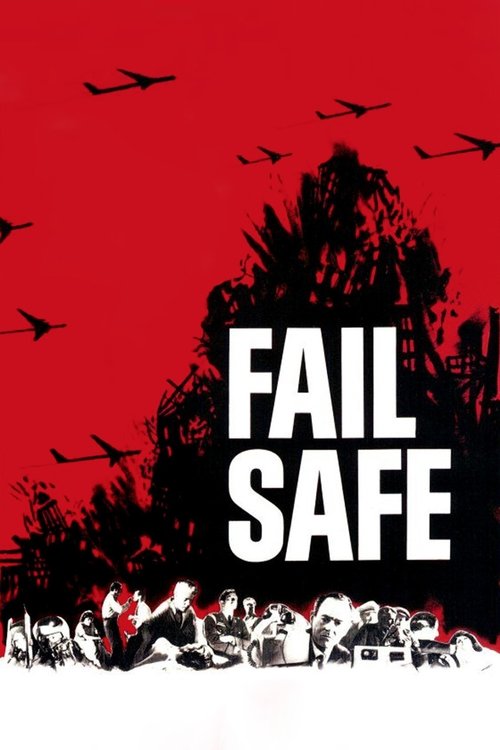
Fail Safe
1964
No user ratings available yet
Representation score: 1.0 out of 10
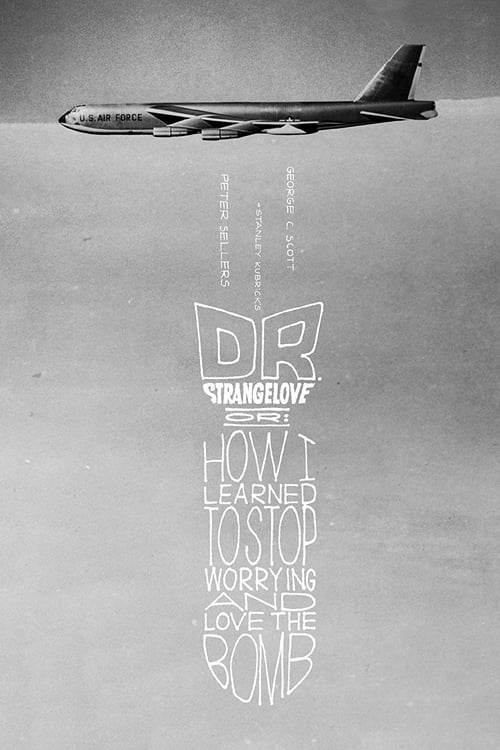
Representation Score
Limited
1964
PGDirector
Stanley Kubrick
Runtime
95 minutes
Average Rating
No ratings yetNew Showbiz Analysis
Dr. Strangelove is a biting satire that focuses on critiquing systemic power rather than showcasing diverse identities. While it does not represent varied identities, it excels in using dark humor to expose the fragility of institutional power during the Cold War era. The film's strength lies in its cultural critique, employing dark satire to challenge the perceived rationality of Cold War security. However, this intellectual depth comes at the expense of excluding diverse gender, racial, and sexual orientations. Ultimately, the work reflects the homogeneous, hyper-masculine environments of the 1960s. It leverages these narrow social structures to highlight the absurdity of men holding absolute geopolitical power.
Category Breakdown
The film adheres to a strict mid-century military framework where everyone is assumed to be straight and cisgender. There are no representations of same-sex relationships or non-binary gender identities.
Leadership roles are shown as dominated by men within a patriarchal structure. Female characters, such as Miss Scott, are confined to supportive administrative positions without much influence over events.
The cast is predominantly white and Anglo-Saxon, reflecting the homogeneity of 1960s Western military culture. The film highlights tensions between major powers dominated by white leadership.
The film effectively critiques Western institutions like the military-industrial complex. It portrays state authority and capitalism as unstable and irrational systems prone to collapse.
Psychological instability, exemplified by General Jack D. Ripper, is used as a satirical device to create narrative chaos. These portrayals do not delve deeply into the lived experiences of neurodivergent individuals.
Present on Screen
Limited or Absent
Official Synopsis
After the insane General Jack D. Ripper initiates a nuclear strike on the Soviet Union, a war room full of politicians, generals and a Russian diplomat all frantically try to stop it.
1964
1970

1970

1961

1957
1944
1953
1942
No reviews yet. Be the first to share your thoughts on this movie!
Use the rating form above to leave a star rating and optional review.