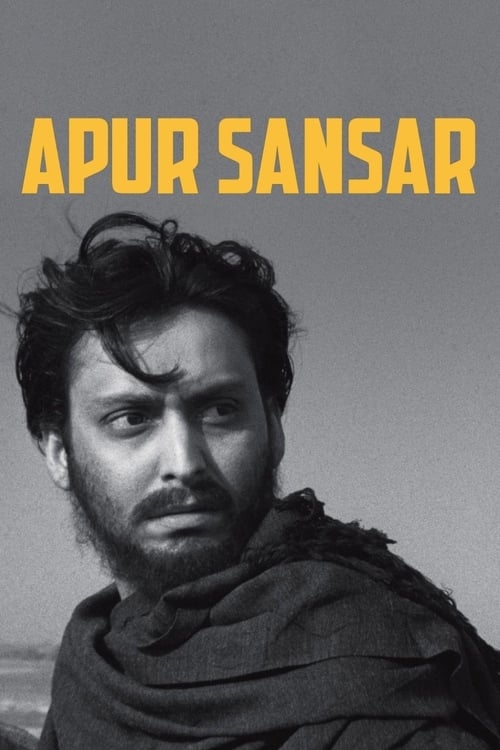
The World of Apu
1959
PG-13No user ratings available yet
Representation score: 9.2 out of 10
These lists use approved racial and ethnic representation scores for Golden Age films (1930s-1950s) that have written notes. Highest-scoring films are those whose notes describe more on-screen racial and ethnic representation. Lowest-scoring films are those whose notes describe little. Neither list is a quality ranking.
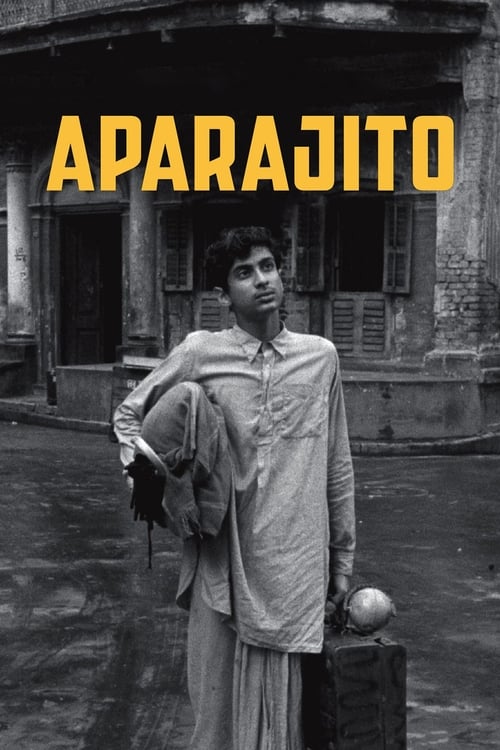
The film provides a genuine, non-Western perspective by featuring a Bengali cast and avoiding Anglo-centric storytelling styles.
The film features a significant interracial relationship between a French woman and a Japanese man, which is central to the plot. It avoids simplistic portrayals by presenting the Japanese experience with depth.
Lang presents a critical view of racial power dynamics and systemic violence. The film challenges the homogeneity of its time by focusing on the struggle against racial prejudice and legal failures.
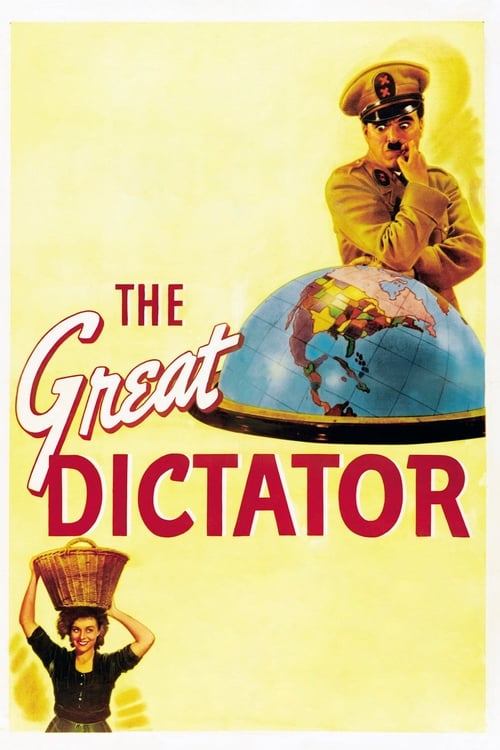
The film is a significant critique of racial supremacy, focusing on a Jewish protagonist to explore anti-Semitism and the dignity of underrepresented communities.
Archival footage highlights the specific victimization of Jewish, Romani, and various political groups. It exposes the racialized logic used by the state.
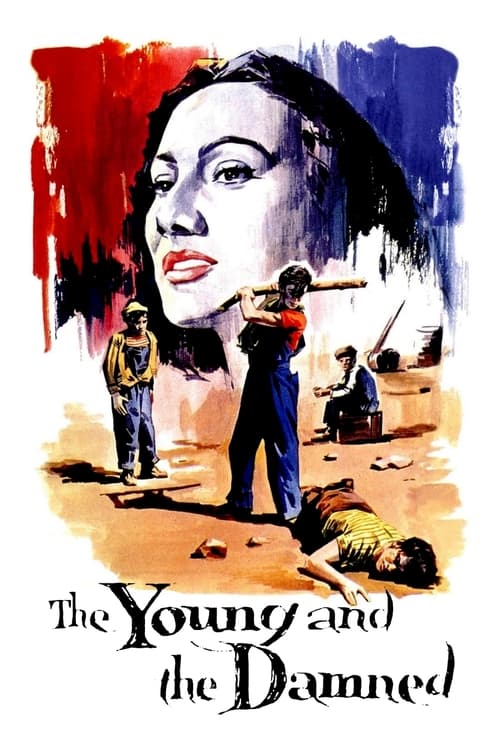
This film provides a deep look into Mexican urban life with a mostly non-Anglo-Saxon cast. It avoids exotic stereotypes, offering a raw, authentic depiction of Mexico City's working class.
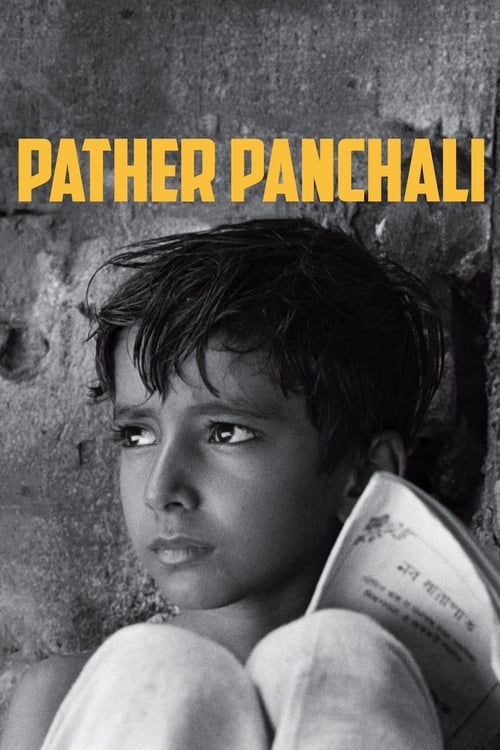
As a cornerstone of Indian Neorealism, the film deconstructs the Western gaze. It avoids exoticization by centering a Bengali Brahmin family and utilizing authentic local settings.
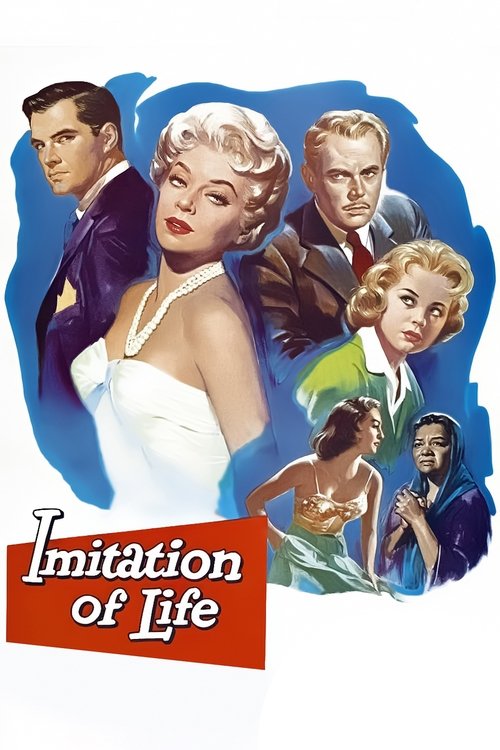
The narrative explores racial identity through the concept of passing. It critiques the societal pressures of the Jim Crow era.
The film highlights the friction between White Texans and the Mexican-American community, focusing on socioeconomic struggles and segregation through characters like Refugio Robles.
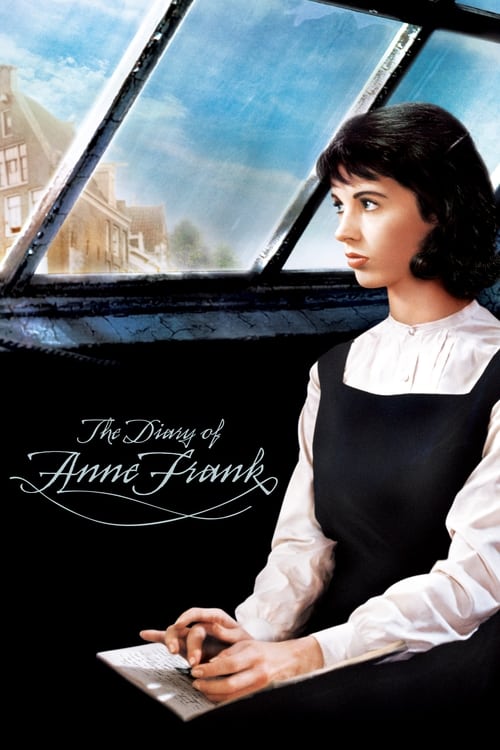
A Jewish protagonist is central to the story, focusing on the persecution faced during the Holocaust.
The film centers on a non-Western, Bengali identity, offering an authentic look into the cultural specifics of Varanasi and Calcutta.
The narrative sharply critiques Japanese expansionism in Manchuria. It highlights the suffering and ability to act of Chinese laborers within the imperial system.
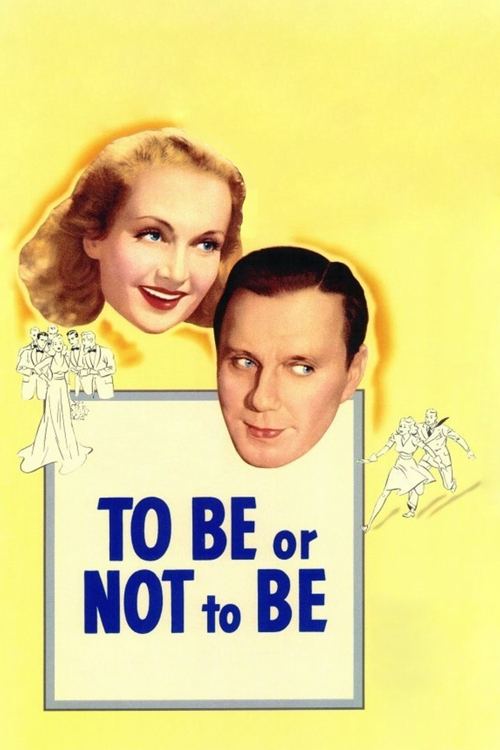
Set in occupied Poland, the film recognizes the presence of various ethnic groups and Jewish characters. It avoids presenting a purely homogeneous perspective by focusing on a Polish troupe operating in a diverse environment.
Species serve as a metaphor for ethnic and social stratification. The struggle of working animals against the pig elite functions as a proxy for systemic exclusion.
The story centers on the persecution of Jewish people during World War II. It explores their identity and the threat of systemic erasure under state-sponsored violence.
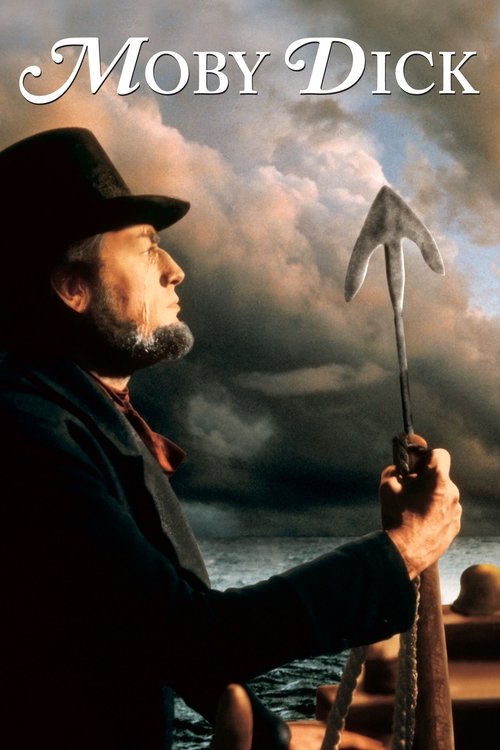
The film includes a diverse crew reflecting historical maritime labor, giving significant roles to non-Anglo-Saxon characters such as Queequeg. This helps to highlight the multicultural nature of the maritime workforce.
The story focuses on the Mexican peasantry and the reclaiming of indigenous rights. However, casting a white American actor in the lead role reduces the overall racial authenticity.
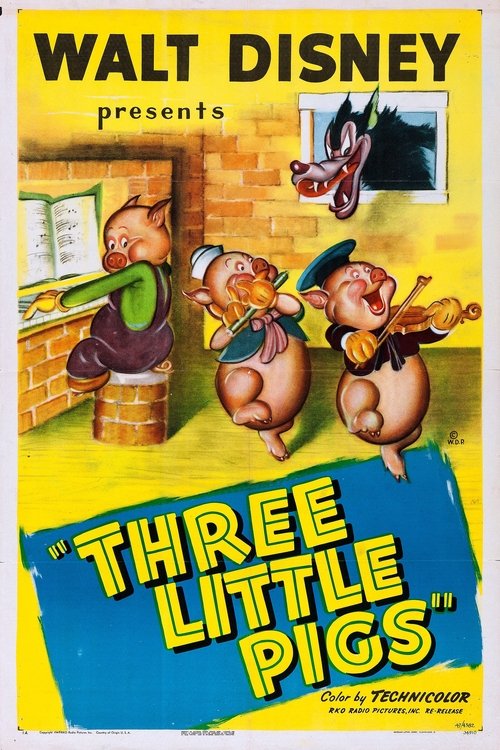
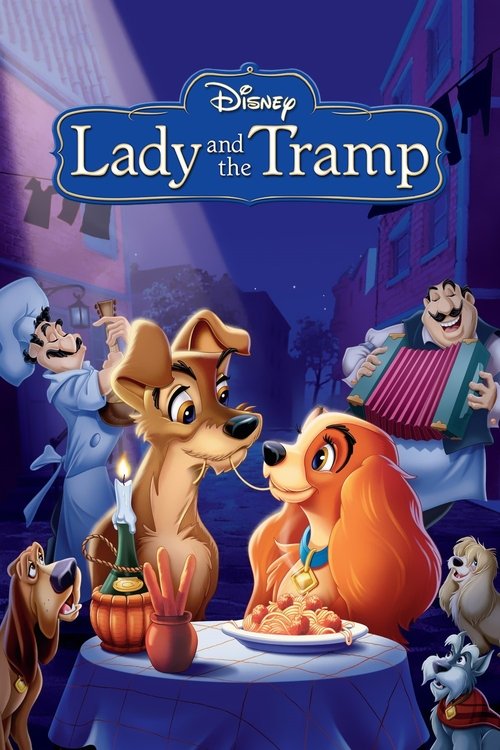
Since the film is an animal fable, it does not feature human racial or ethnic diversity. The cast includes only non-human species, which limits opportunities for racial representation.
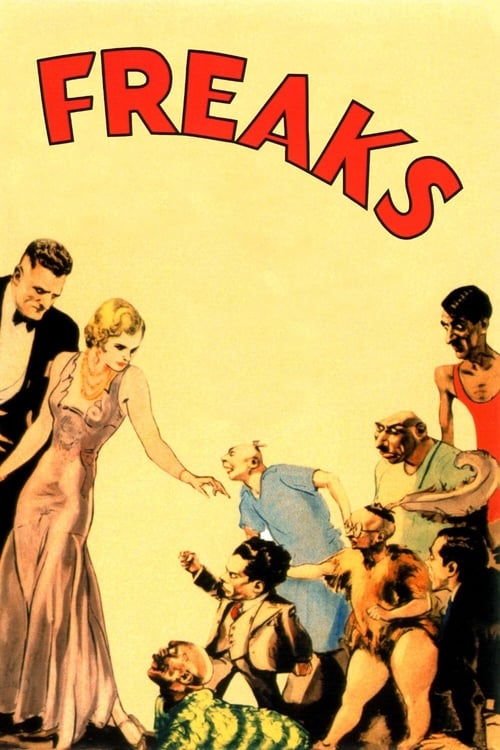
The cast is fairly uniform in terms of racial background. The film emphasizes bodily differences over issues related to ethnicity or race.
1943
Not RatedThe cast is uniform and set within a domestic environment that lacks racial or ethnic complexity. It does not engage with issues of racial representation or identity politics.
The film's setting is pastoral and does not address racial or ethnic identities. There is no representation of different ethnic backgrounds or cultures.
The film promotes a monolithic racial identity, excluding all non-Aryan individuals from its celebration of a pure, homogeneous society.
The narrative does not provide any information about the racial or ethnic backgrounds of the characters, nor does it indicate any non-Anglo-Saxon representation.
The film features a homogenous cast with a Eurocentric appearance, excluding any racial or ethnic diversity.
The cast is primarily white and Anglo-Saxon, reflecting mid-century Western cinema norms. There is no evidence of diverse ethnic identities or color-blind casting.
The cast and character designs reflect a homogeneous social landscape. The narrative lacks diverse ethnic backgrounds or intentional efforts toward multi-layered representation.
The film maintains a homogeneous European aesthetic typical of period fairy tales. It lacks the integration of diverse ethnic identities.
The cast is made up of actors who fit the traditional European period setting, lacking ethnic diversity. There are no efforts to include diverse casting.
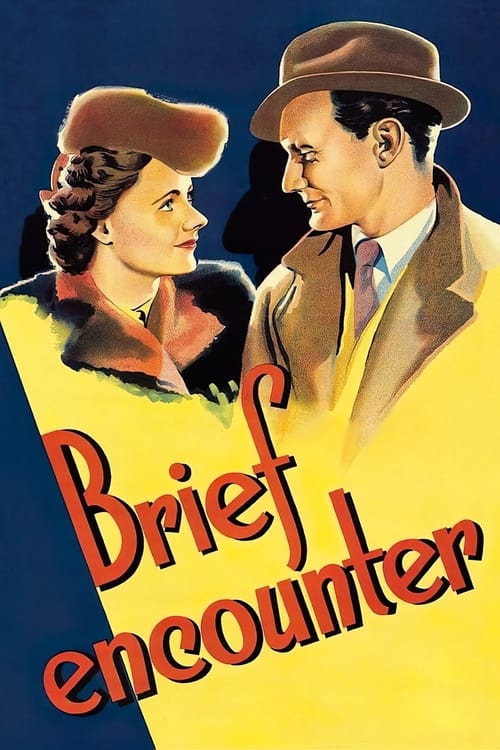
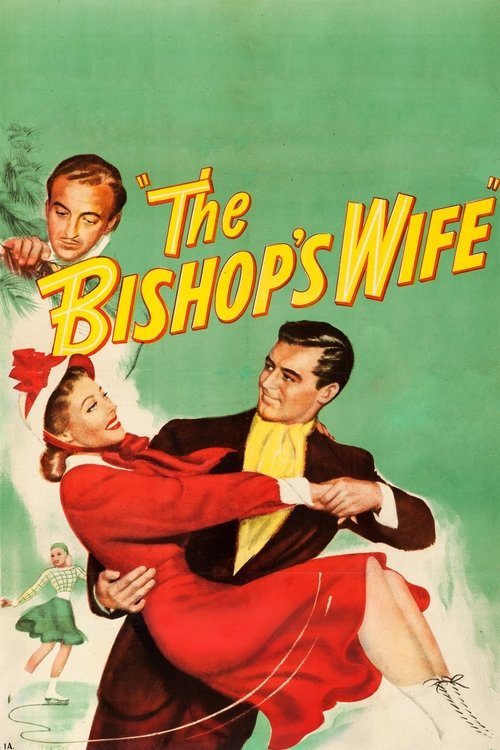
The cast and social environment reflect a strictly white, Anglo-Saxon middle-class context. The suburban English setting does not include any non-white characters or racial blending.
The cast is predominantly white, with no characters from diverse racial or ethnic backgrounds.
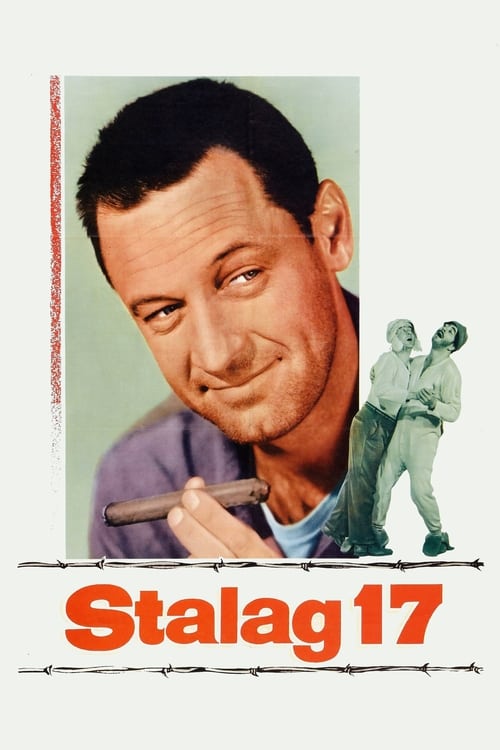
The cast is made up of a homogeneous group of white American soldiers. The film does not include diverse ethnic backgrounds or multi-layered casting.
The film features a predominantly white cast and setting, reflecting a homogeneous social environment. There are no significant characters of color represented.
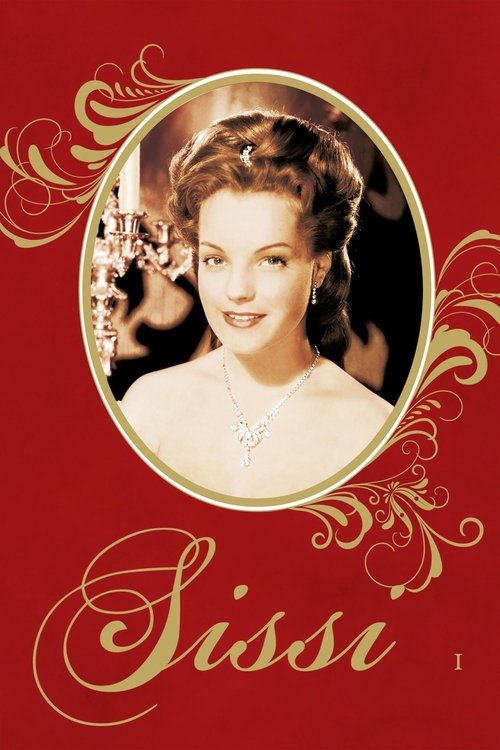
The film features a predominantly white, Anglo-European cast, reflecting the exclusive nature of the 19th-century Austrian aristocracy without any racial diversity.
The cast reflects a homogeneous demographic, depicting characters as white and upper-middle-class. There is no racial or ethnic diversity among the characters.
The cast is primarily composed of white, Anglo-Saxon actors, reflecting the historical context of a 1944 merchant vessel.
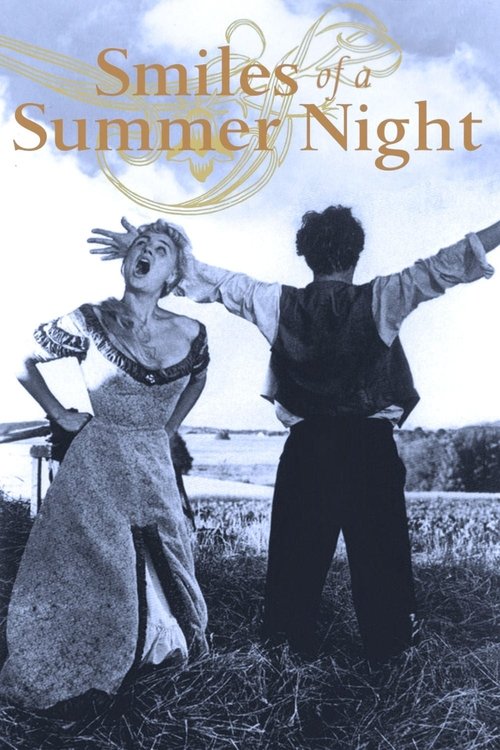
The story unfolds in a homogeneous, rural Danish setting. The cast mirrors the demographics of 1955 Scandinavia, lacking visible racial diversity.
The cast is predominantly white, reflecting the time period in which the film was produced. There are no significant non-white characters.
The setting is a homogeneous, upper-middle-class white coastal community in Maine. The cast and narrative lack racial or ethnic diversity, reflecting the era's social constraints.
The cast is overwhelmingly white, reflecting the Eurocentric reality of the 19th-century Habsburg nobility. No characters of color are shown in positions of power or influence.
The cast is largely homogeneous and white, mirroring the cinematic norms of the early 1950s. There is no meaningful inclusion of characters of color within the primary narrative.
The cast is predominantly white and upper-class, reflecting the Anglo-Saxon society of the time. There is no significant representation of racial or ethnic diversity.
The casting is predominantly white and lacks any effort to diversify the ensemble.
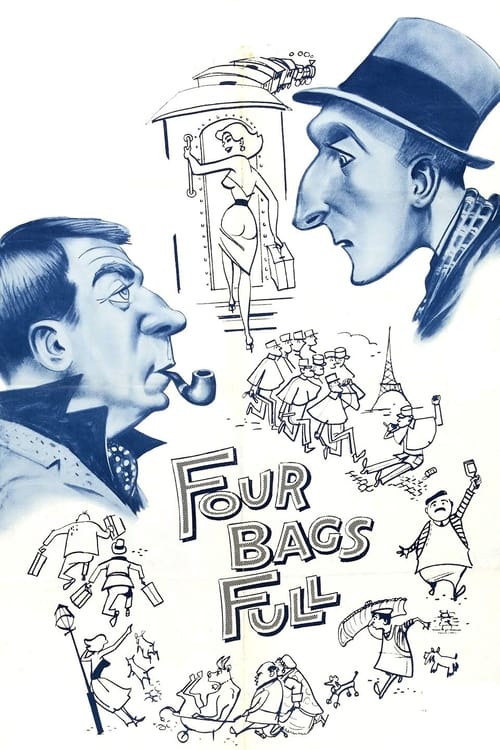
The setting mirrors the demographic uniformity of mid-1950s Paris. The cast lacks meaningful racial or ethnic diversity, focusing on a predominantly white cast.
The film features a predominantly white cast in a modern urban setting, with no representation of non-white characters.
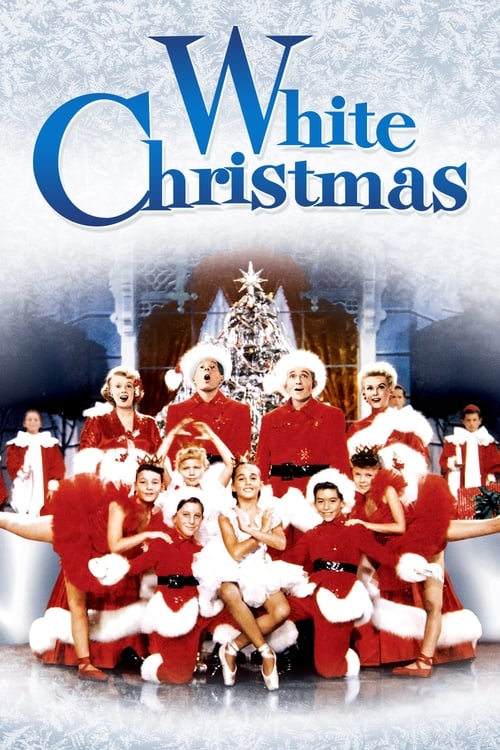
The cast is uniform and reflects the demographics of the 1940s studio era. Characters are predominantly white and upper-middle-class, with no representation of diverse ethnic or racial backgrounds.
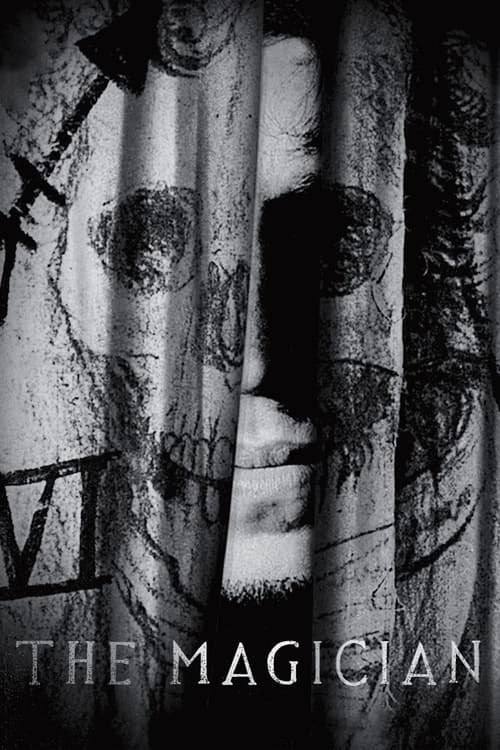
The cast is uniform, reflecting the 1955 Swedish production context. The film lacks a diverse cast with actors from different backgrounds.
The cast is largely uniform, reflecting the local Swedish context. There is no indication of actors from diverse backgrounds being cast in roles traditionally associated with Anglo-Saxon characters.
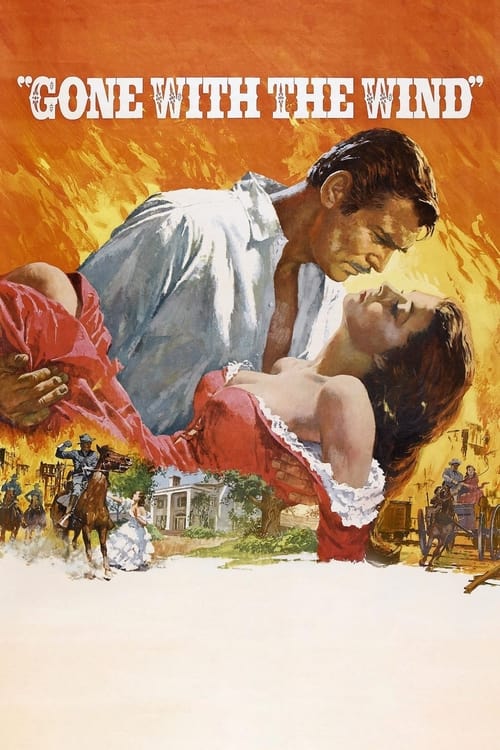
The film reinforces historical hierarchies by using the 'mammy' stereotype. It presents a romanticized view of the past while ignoring the systemic violence of slavery.
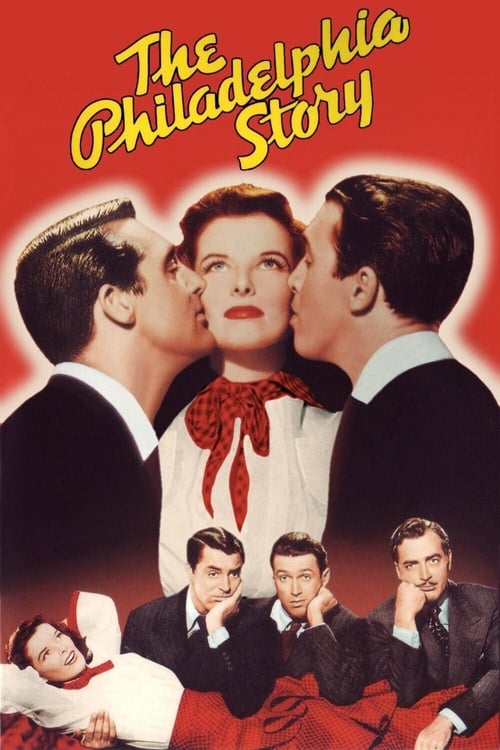
The setting portrays a highly homogeneous social environment. The cast is predominantly white and upper-class, reflecting the era's focus on Philadelphia's elite.
1954
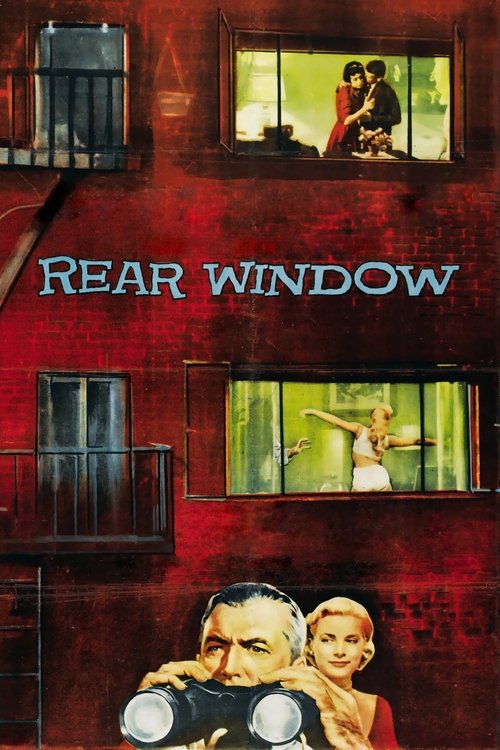
GThe cast is primarily made up of actors from similar backgrounds, reflecting the historical context and production standards of 1954. The film does not include diverse casting or characters from non-Anglo-Saxon backgrounds.
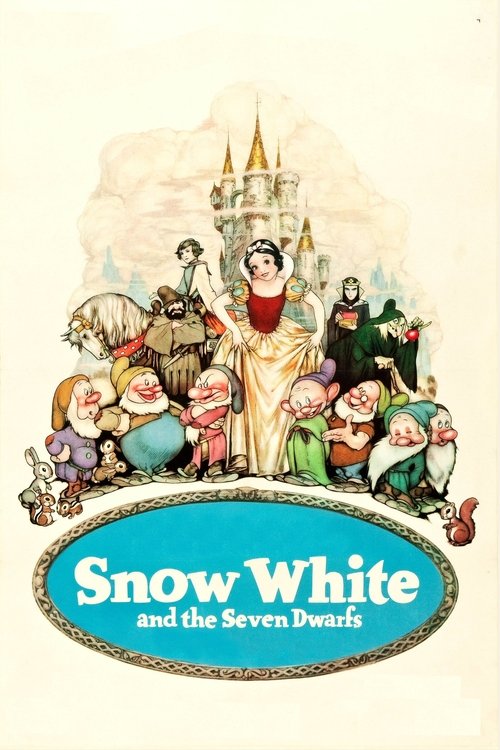
1938
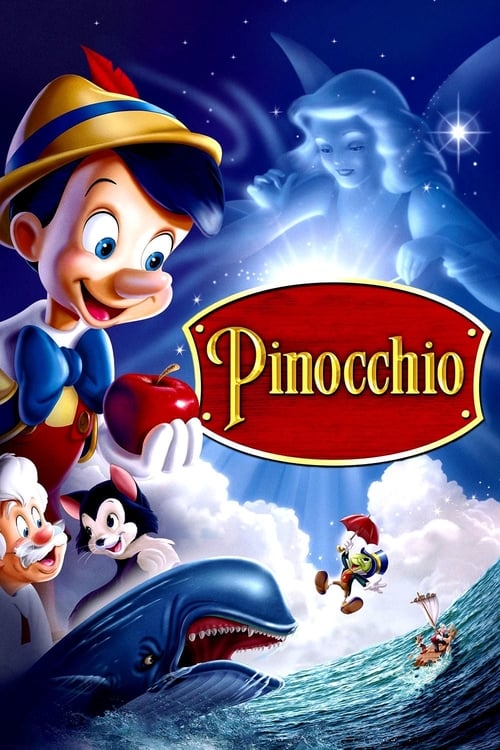
GThe aesthetic is strictly Eurocentric, reflecting a homogeneous Western European folklore tradition. There is no representation of a multi-ethnic world or diverse character archetypes.
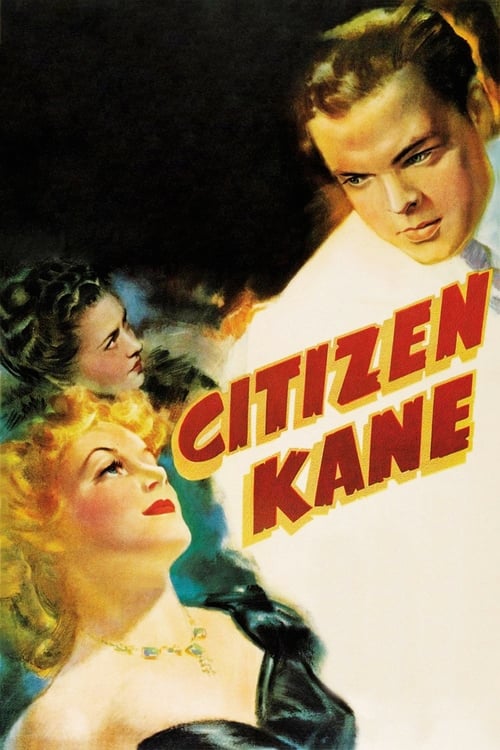
The setting depicts a largely homogeneous, white, middle-class urban environment. There are no characters of color in positions of influence or ability to act.
The setting utilizes a homogeneous European aesthetic with a predominantly white cast. The world is presented as a culturally uniform environment without ethnic diversity.
The film's social setting is very homogeneous, focusing almost entirely on white, wealthy characters. It does not explore racial or ethnic diversity.
As an animal fable, the film lacks human racial representation. Social stratification is expressed through class metaphors rather than ethnic identity.
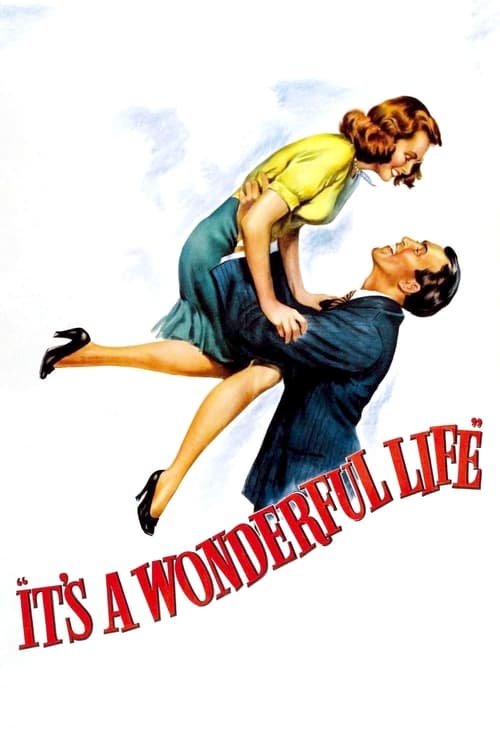
The cast is predominantly white and Anglo-Saxon, reflecting a small-town American setting. The narrative does not engage with racial or ethnic diversity.
The cast is primarily composed of white actors from upper-middle-class backgrounds, reflecting the social norms of the time. There is no meaningful racial diversity or casting that breaks traditional expectations.
The cast is predominantly white and reflects the production standards of the time. The story does not engage with racial diversity or non-Anglo-Saxon perspectives.
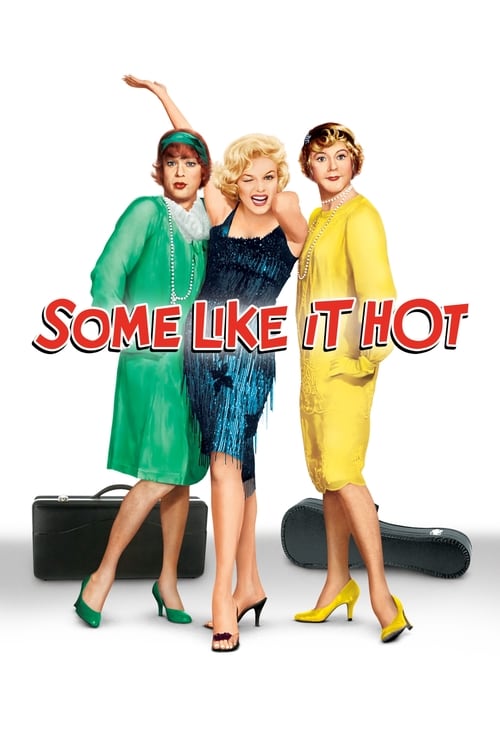
The cast and main characters are predominantly white, reflecting the demographic uniformity of 1920s Hollywood. There is a lack of significant minority representation in key roles.
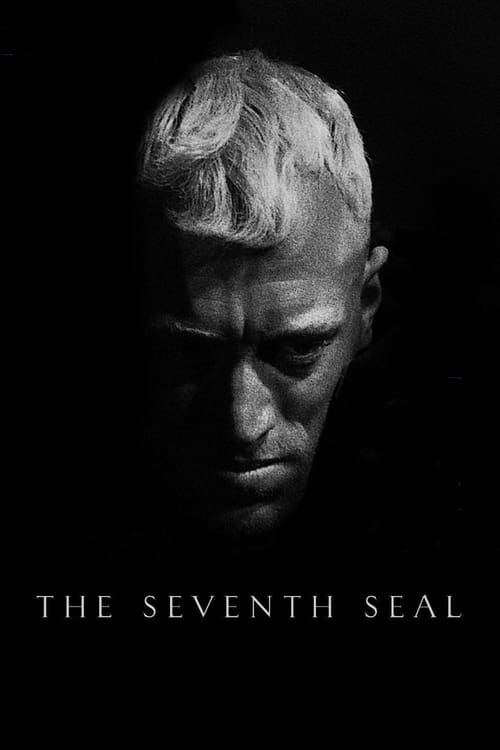
The cast is ethnically uniform, reflecting a medieval Swedish context. The film does not include diverse ethnic representation or actors from different backgrounds.
By focusing on mythological stories, the film avoids depicting human races. However, its reliance on Western classical music and art traditions centers Eurocentric cultural norms.
The film features an almost entirely white, upper-class cast, showing no significant racial or ethnic diversity.
The cast is predominantly white and Anglo-Saxon, with limited ethnic diversity. The story focuses on a homogenous group of characters.
The cast is primarily white and upper-middle-class, reflecting a homogeneous, Anglo-centric society typical of the 1950s.
Set in the Weimar Republic, the film depicts a largely homogeneous urban population. It reflects the demographic constraints and social realities of its specific historical setting.
The cast is largely homogeneous, reflecting 1950s production standards. The story focuses on class distinctions rather than ethnic or racial diversity.
The cast is primarily white and lacks diversity, reflecting the limitations of 1944 Hollywood. There is no meaningful representation for non-Anglo-Saxon characters.