Hush... Hush, Sweet Charlotte
1964
No user ratings available yet
Representation score: 4.8 out of 10
Representation Score
Fair
1962
ApprovedDirector
Robert Aldrich
Runtime
135 minutes
Average Rating
No ratings yetNew Showbiz Analysis
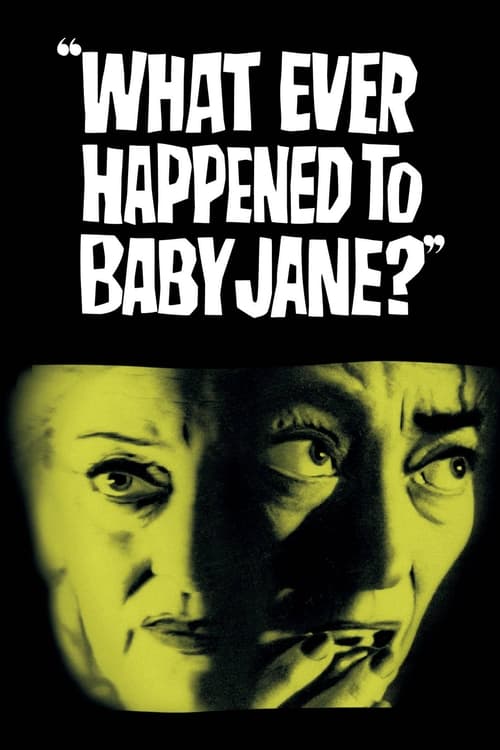
What Ever Happened to Baby Jane? is a film that focuses on a narrow demographic but excels in narrative subversion. While it lacks racial and LGBTQ+ diversity, it challenges the gendered expectations of the 1960s by portraying women as complex and often predatory figures. The film's cultural value lies in its sharp critique of the entertainment industry and its refusal to offer a simplistic moralistic view of good versus evil. Instead, it presents a claustrophobic exploration of trauma and decay. However, the film's reliance on a homogeneous cast and its use of disability as a primary tool for character vulnerability limit its overall diversity score. It remains a work that is demographically traditional yet narratively disruptive.
Category Breakdown
The film focuses solely on the psychological conflict between two sisters and does not depict any non-straight relationships or same-sex intimacy.
The narrative challenges mid-century stereotypes by centering on strong, independent women who defy traditional feminine roles. It presents women as complex, often predatory characters rather than submissive figures.
The cast is entirely white and set in a homogeneous environment. The story does not include any racial or ethnic diversity.
The film provides a critical look at the predatory capitalist machinery of Hollywood. It dismantles the idealized family unit in favor of a dysfunctional household setting.
Blanche's paraplegia drives the film's tension and vulnerability. The story avoids moral uplift, instead exploring themes of physical entrapment through her condition.
Present on Screen
Limited or Absent
Official Synopsis
A former vaudeville child star viciously torments her paraplegic sister in their decaying Hollywood mansion.
1964
1964
1965
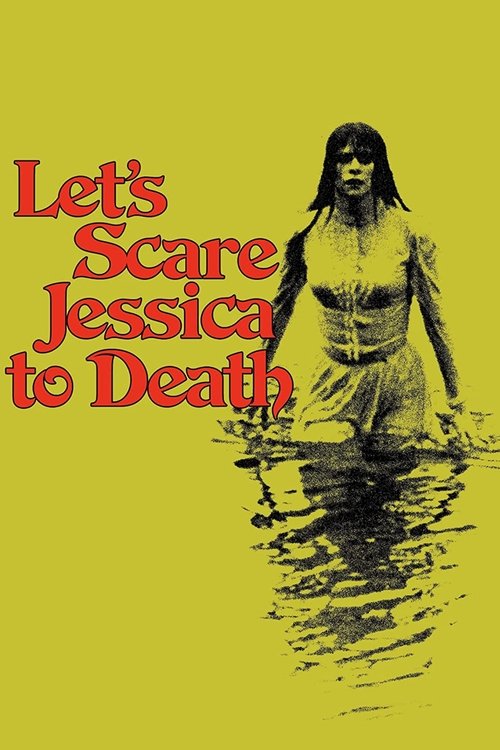
1971
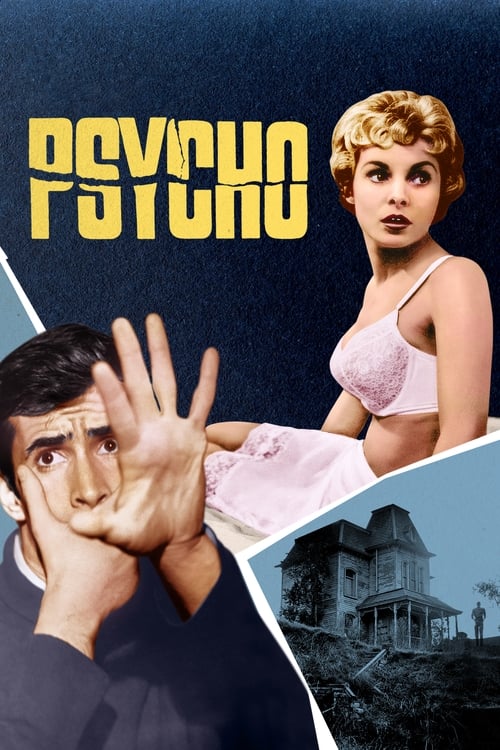
1960
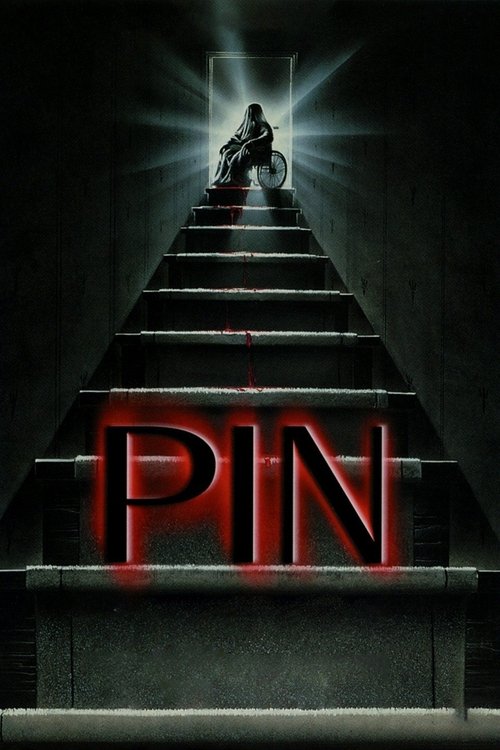
1988
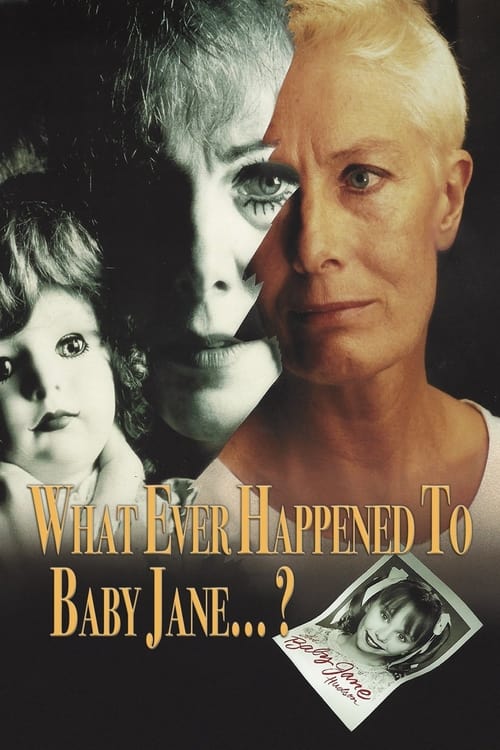
1991
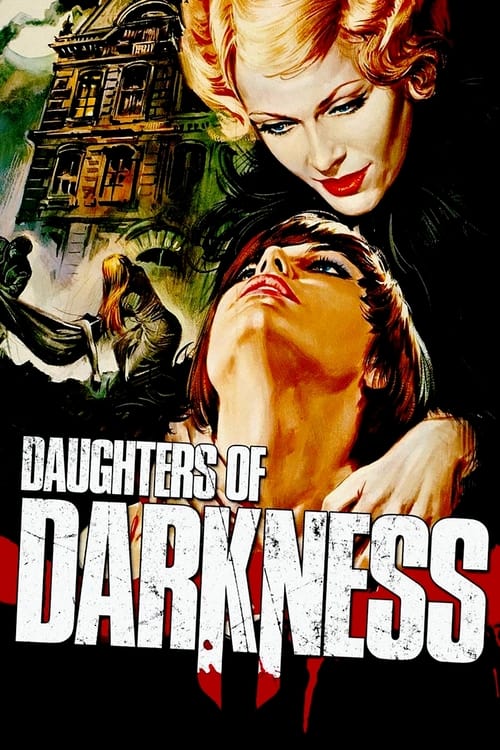
1971
No reviews yet. Be the first to share your thoughts on this movie!
Use the rating form above to leave a star rating and optional review.