Imitation of Life
1959
No user ratings available yet
Representation score: 4.3 out of 10
Representation Score
Good
1960
PGDirector
John Cassavetes
Runtime
87 minutes
Average Rating
No ratings yetNew Showbiz Analysis
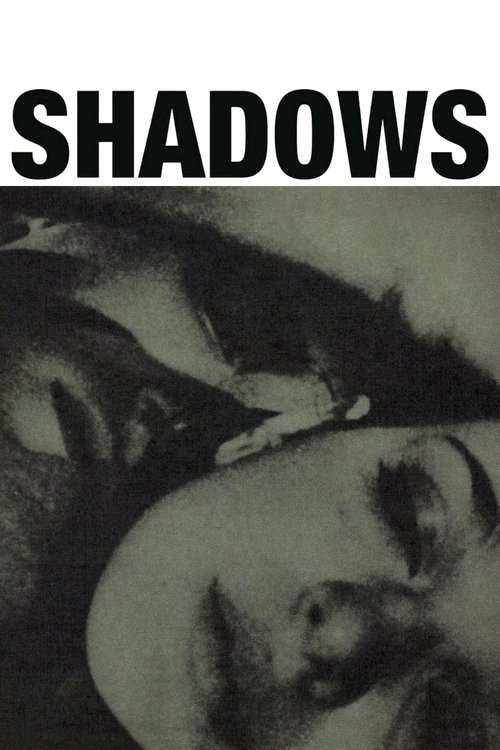
Shadows stands as a subversive piece of independent cinema that dismantles mid-century social hierarchies. Its greatest strength lies in its sophisticated handling of racial identity and colorism, moving far beyond the including someone from a minority group without giving them real depth common in 1960s mainstream films. The film also succeeds in presenting women as active participants in the social fabric rather than passive stereotypes. This creates a grounded, character-driven experience that feels remarkably modern for its era. However, the film lacks representation for LGBTQ+ identities and does not feature characters with disabilities. While its focus on racial and gendered ability to act is strong, these specific demographic areas remain unaddressed.
Category Breakdown
The film does not include explicit LGBTQ+ narratives or characters with non-straight identities. However, the ensemble exhibits a sense of social non-conformity, focusing primarily on racial and romantic tensions.
Women in the film resist the mid-century domestic archetype. They play a central role in the social group, possessing a significant role in driving the story and emotional presence within a chaotic urban environment.
This film deeply explores colorism and racial fluidity. By centering a relationship between a light-skinned Black woman and a white man, it critiques rigid binary classifications.
The narrative embraces moral relativism and critiques traditional social institutions. It portrays youthful restlessness and a disregard for conventional societal expectations as a response to a restrictive order.
There are no significant depictions of physical or neurodivergent disabilities that serve as central narrative drivers.
Present on Screen
Limited or Absent
Official Synopsis
The relationship between Lelia, a light-skinned black woman, and Tony, a white man is put in jeopardy when Tony meets Lelia’s darker-skinned jazz singer brother, Hugh, and discovers that her racial heritage is not what he thought it was.
1959
1957
1991
1947
1967
1961
2002

1955
No reviews yet. Be the first to share your thoughts on this movie!
Use the rating form above to leave a star rating and optional review.