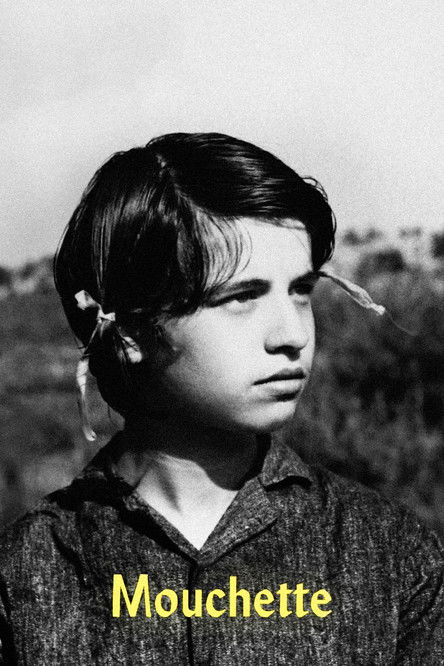
Mouchette
1967
No user ratings available yet
Representation score: 4.9 out of 10
Representation Score
Limited
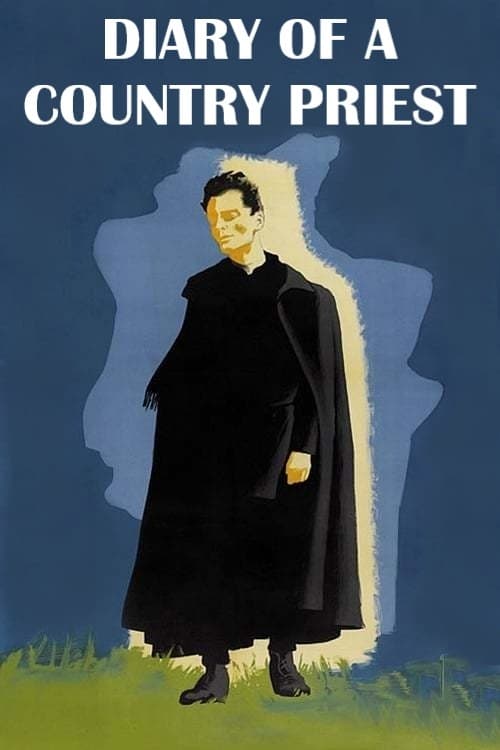
1951
NRDirector
Robert Bresson
Runtime
115 minutes
Average Rating
No ratings yetNew Showbiz Analysis
Robert Bresson’s film is a study of individual isolation rather than social breadth. It prioritizes the internal, existential experience of a single man over a diverse cast or varied demographic representation. The work succeeds in using physical suffering as a profound narrative tool. By centering the priest's declining health, the film explores theological themes through a lens of genuine vulnerability. However, the film remains a product of its time and setting. It lacks racial, ethnic, and LGBTQ+ diversity, focusing instead on a homogeneous rural French community and traditional social structures.
Category Breakdown
The film centers on the spiritual and physical struggles of a solitary male protagonist. There are no queer subtexts or non-straight identities in the character arcs.
The story follows a traditional mid-century framework. Although the protagonist's frailty challenges typical male leadership clichés, female characters mainly serve as sources of social tension.
Set in a rural French village in 1951, the film reflects the demographic uniformity of its era. The cast is predominantly white and lacks ethnic diversity.
The narrative criticizes the failure of religious institutions to foster social cohesion. It emphasizes the priest's internal spiritual isolation over a triumphalist Christian morality.
The protagonist's chronic illness is central to his identity and spiritual journey. His physical decline is used to explore existential themes rather than serving as mere inspiration.
Present on Screen
Limited or Absent
Official Synopsis
An inexperienced, sickly priest shows up in the rural French community of Ambricourt, where he joins the community's clergy. But the locals don't take kindly to the priest, and his ascetic ways and unsociable demeanor make him an outcast. During Bible studies at the nearby girls school, he is continually mocked by his students. Then his attempt to intervene in a family feud backfires into a scandal. His failures, compounded with his declining health, begin to erode his faith.
1967
1955
1944

1943

1963
1951
1947
1979
No reviews yet. Be the first to share your thoughts on this movie!
Use the rating form above to leave a star rating and optional review.