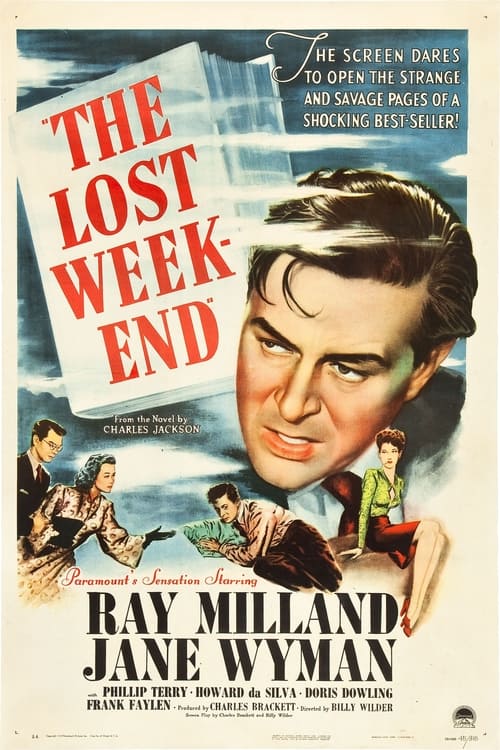
The Lost Weekend
1945
No user ratings available yet
Representation score: 2.6 out of 10

Representation Score
Fair
1955
NRDirector
Otto Preminger
Runtime
119 minutes
Average Rating
No ratings yetNew Showbiz Analysis
Otto Preminger’s work diverges from the sanitized moralism of the 1950s by embracing a gritty, uncompromising naturalism. The film's strength lies in its exploration of the psychological and systemic roots of addiction, avoiding simplistic views. However, the film is constrained by the era's demographic limitations. It lacks representation of LGBTQ+ identities and fails to reflect the racial diversity of a metropolitan environment like New York City. Ultimately, the film's progressive value comes from its thematic depth. By treating addiction as a medical and social crisis, it elevates the narrative beyond the standard clichés of its time.
Category Breakdown
The film does not include any LGBTQ+ characters or explore non-straight relationships. The social landscape is strictly aligned with mid-century domestic norms.
The narrative follows traditional gender roles, focusing on the male protagonist's journey. While the female lead has psychological depth, her role is primarily defined by her relationship to the male character.
The setting is centered around a largely homogeneous urban working-class environment. It lacks significant representation of different racial backgrounds.
The film offers a nuanced look at morality by portraying addiction as a systemic issue rather than a simple moral failing. It subtly critiques institutional support systems.
Addiction is shown as a chronic, debilitating condition with realistic portrayals. The film avoids melodrama, presenting the struggle as a complex, lived experience with the protagonist taking control.
Present on Screen
Limited or Absent
Official Synopsis
When illegal card dealer and recovering heroin addict Frankie Machine gets out of prison, he decides to straighten up. Armed with nothing but an old drum set, Frankie tries to get honest work as a drummer. But when his former employer and his old drug dealer re-enter his life, Frankie finds it hard to stay clean and eventually finds himself succumbing to his old habits.
1945
1956

2000
1964

2015
1972
1995
1971
No reviews yet. Be the first to share your thoughts on this movie!
Use the rating form above to leave a star rating and optional review.