
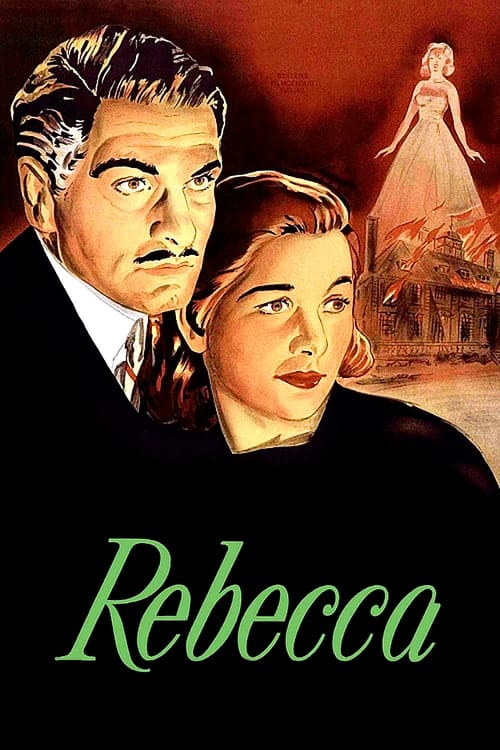
Rebecca
2020
No user ratings available yet
Representation score: 3.5 out of 10
Representation Score
Limited
1940
ApprovedDirector
Alfred Hitchcock
Runtime
130 minutes
Average Rating
No ratings yetNew Showbiz Analysis
Rebecca examines class and gendered power dynamics within the British aristocracy. Despite a homogeneous cast, the film challenges traditional social structures through its characterizations. Maxim is portrayed as a morally compromised figure, subverting the archetype of the infallible patriarch. Mrs. Danvers' singular, obsessive fixation on the past challenges the stability of the household. Ultimately, the film's complexity lies in its exploration of moral relativism and its depiction of traditional social structures as sites of psychological entrapment.
Category Breakdown
The film does not explicitly depict LGBTQ+ identities, but Mrs. Danvers' intense devotion to the deceased Rebecca hints at queer undertones that challenge the household's traditional stability.
The story transforms the protagonist from a submissive to a resilient character, challenging traditional gender roles. It portrays Maxim as a morally compromised man, breaking down the idealized patriarchal figure.
The film centers on a homogeneous, upper-class British cast, reinforcing a traditional, Anglo-centric social order without any racial diversity.
The film uses moral relativism to frame the protagonist's husband through situational ethics rather than strict morality. It depicts the noble estate as a site of systemic dysfunction.
The film does not include characters with visible or invisible disabilities as central drivers of the plot.
Present on Screen
Limited or Absent
Official Synopsis
Story of a young woman who marries a fascinating widower only to find out that she must live in the shadow of his former wife, Rebecca, who died mysteriously several years earlier. The young wife must come to grips with the terrible secret of her handsome, cold husband, Max De Winter. She must also deal with the jealous, obsessed Mrs. Danvers, the housekeeper, who will not accept her as the mistress of the house.
2020
1947
1941

1945
1958
1944
1947
1944
No reviews yet. Be the first to share your thoughts on this movie!
Use the rating form above to leave a star rating and optional review.