An Autumn Afternoon
1962
No user ratings available yet
Representation score: 2.5 out of 10
Representation Score
Limited
1953
Not RatedDirector
Yasujirō Ozu
Runtime
137 minutes
Average Rating
No ratings yetNew Showbiz Analysis
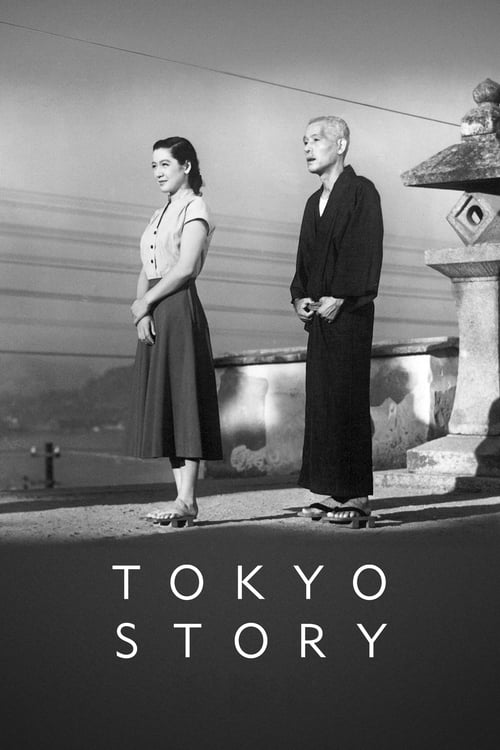
Tokyo Story is a profound examination of social dynamics, focusing on the tension between rural traditions and the fragmentation brought by urban modernization. The film's strength lies in its nuanced portrayal of societal shifts and their impact on human connections. While it operates within a strictly straight-centered framework, it offers a detailed exploration of internal cultural changes and the emotional labor needed to maintain social cohesion.
Category Breakdown
The film focuses solely on heterosexual relationships and traditional family units, with no depiction of non-straight or non-cisgender identities.
Characters adhere to traditional roles, but the narrative challenges these norms through Noriko, who demonstrates significant emotional involvement and care-taking responsibilities.
The film portrays a culturally uniform Japanese society without multi-layered racial diversity, focusing instead on a purely Japanese experience.
The story critiques modernization by showing how urban and capitalist progress disrupts traditional family values and communal bonds.
There are no prominent depictions of physical or neurodivergent disabilities that play central roles in the narrative.
Present on Screen
Limited or Absent
Official Synopsis
The elderly Shukishi and his wife, Tomi, take the long journey from their small seaside village to visit their adult children in Tokyo. Their elder son, Koichi, a doctor, and their daughter, Shige, a hairdresser, don't have much time to spend with their aged parents, and so it falls to Noriko, the widow of their younger son who was killed in the war, to keep her in-laws company.
1962
1936
2013

1945
1949

1989
1957
1937
No reviews yet. Be the first to share your thoughts on this movie!
Use the rating form above to leave a star rating and optional review.