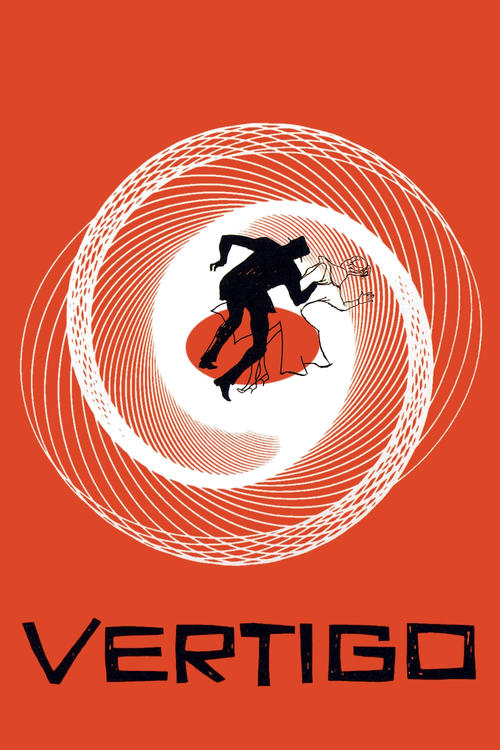
Vertigo
1958
No user ratings available yet
Representation score: 2.1 out of 10
Representation Score
Fair
1954
PGDirector
Alfred Hitchcock
Runtime
113 minutes
Average Rating
No ratings yetNew Showbiz Analysis
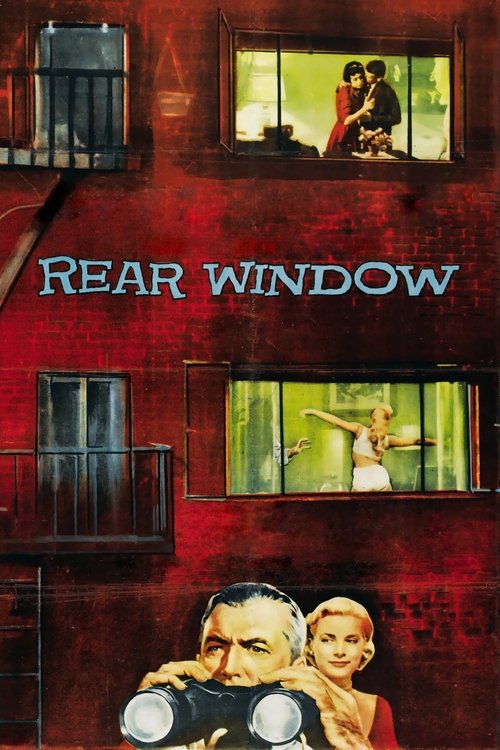
Rear Window is a mid-century period piece that excels in psychological depth but remains limited by the social hierarchies of 1954. It offers a sophisticated look at gender and disability, moving beyond simple clichés to provide character-driven ability to act. However, the film lacks broad representation. The environment is demographically narrow, focusing almost exclusively on a white, middle-class urban setting with no visible racial diversity. Ultimately, while the film challenges certain domestic expectations, it operates within a traditional framework that lacks a systemic critique or diverse representation.
Category Breakdown
The film adheres strictly to the assumption that everyone is straight or cisgender. There are no queer subtexts or non-cisgender identities present in the character arcs or dialogue.
Lisa Fremont challenges traditional gender roles by evolving from a passive romantic interest into a strong, active protagonist. She shows significant bravery and competence through her physical infiltration of the crime scene.
The setting depicts a largely homogeneous, white, middle-class urban environment. There are no characters of color in positions of influence or ability to act.
The narrative explores the ethics of privacy and amateur vigilantism. It functions more as a psychological study of voyeurism than a critique of social institutions.
Jefferies' physical confinement drives the plot without resorting to inspirational stories. His intellect and observational skills maintain his ability to act despite his lack of mobility.
Present on Screen
Limited or Absent
Official Synopsis
A wheelchair-bound photographer spies on his neighbors from his apartment window and becomes convinced one of them has committed murder.
1958
1944
1980
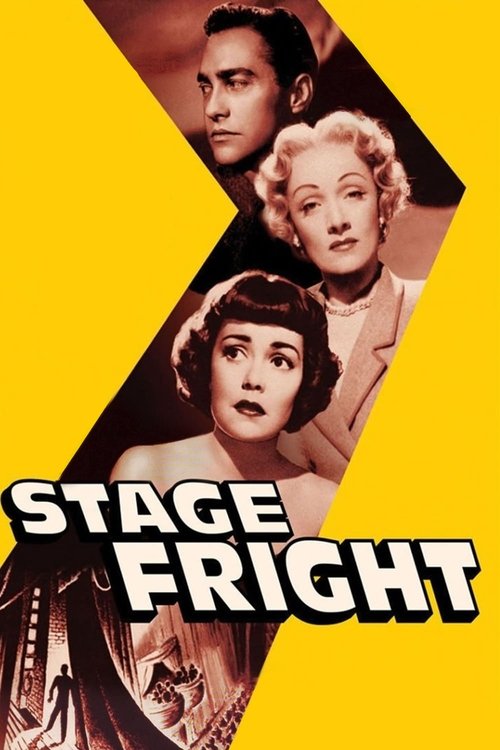
1950
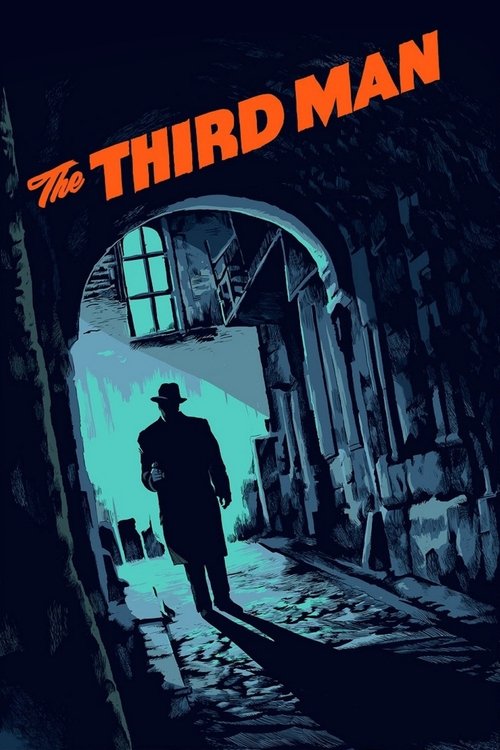
1949
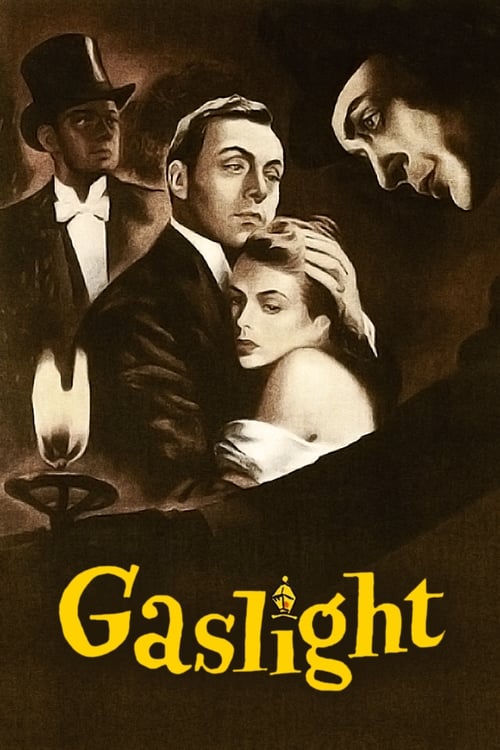
1944
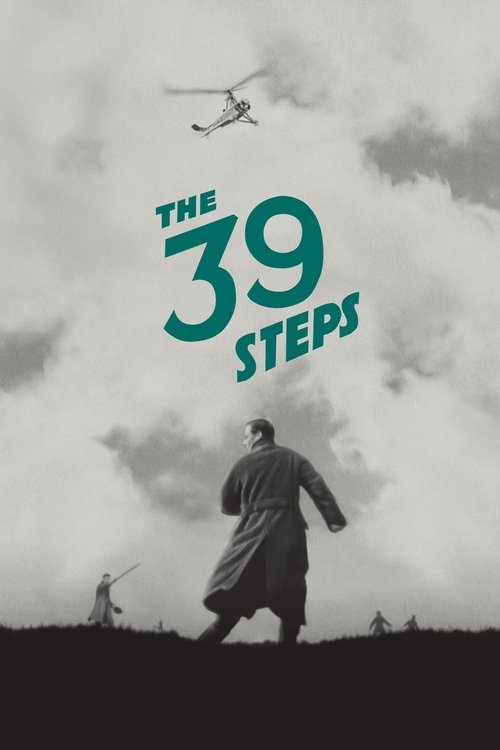
1935
1978
No reviews yet. Be the first to share your thoughts on this movie!
Use the rating form above to leave a star rating and optional review.