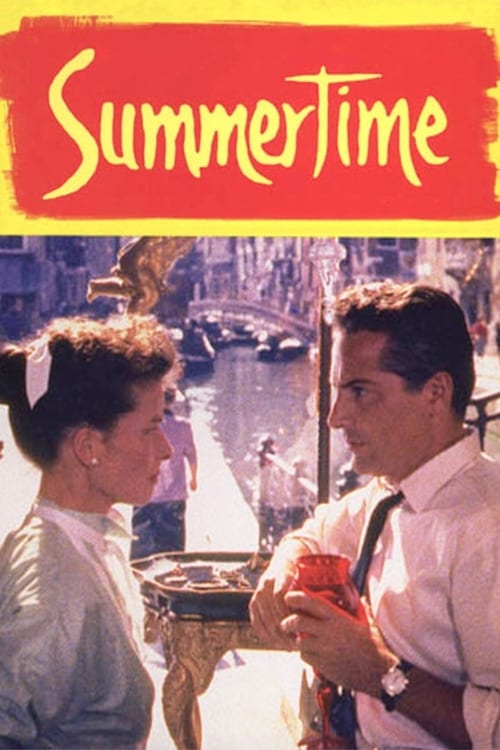
Summertime
1955
No user ratings available yet
Representation score: 3.4 out of 10
Representation Score
Limited
1943
PGDirector
Michael Curtiz
Runtime
102 minutes
Average Rating
No ratings yetNew Showbiz Analysis
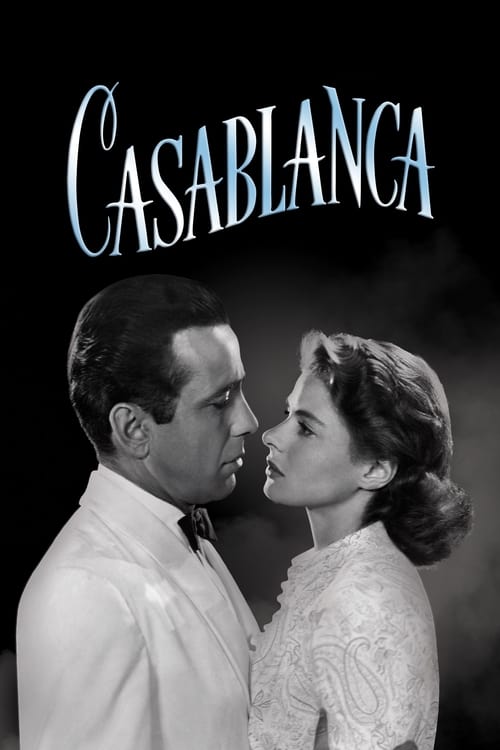
Casablanca excels in depicting wartime moral complexities and geopolitical stakes, focusing less on modern identity politics. It effectively deconstructs institutional authority while exploring the tension between personal desires and systemic needs. The film's strength lies in its nuanced portrayal of a diverse, international refugee population. It highlights the moral ambiguity of characters like Captain Renault, challenging traditional social structures. However, it remains tied to the hierarchies of its time period, lacking markers of the way different parts of someone's identity overlap and maintaining a focus that often sidelines women's ability to drive the story and local Moroccan influence.
Category Breakdown
The film centers on a heterosexual relationship triangle and does not include any queer subtext or non-cisgender identities.
Gender roles follow traditional hierarchies. Ilsa Lund's role is often defined by her emotional connections to the male characters and her romantic sacrifices.
The film showcases a diverse, displaced international population during World War II. However, the local Moroccan context mainly serves as a backdrop for European conflicts.
The movie explores moral relativism through Captain Renault's neutrality, emphasizing the importance of resisting unjust authority to uphold higher moral standards.
There are no significant portrayals of physical or neurodivergent disabilities in the main storyline.
Present on Screen
Limited or Absent
Official Synopsis
In Casablanca, Morocco in December 1941, a cynical American expatriate meets a former lover, with unforeseen complications.
1955

1940

1945

1932

1957

1939

1945

1932
No reviews yet. Be the first to share your thoughts on this movie!
Use the rating form above to leave a star rating and optional review.