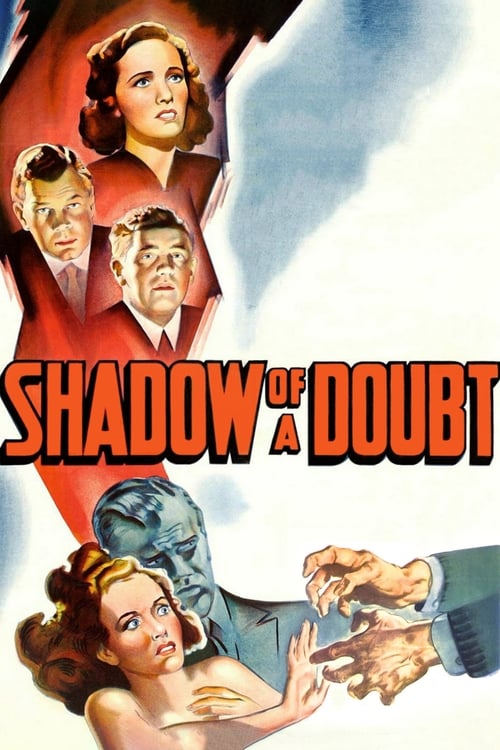
Shadow of a Doubt
1943
No user ratings available yet
Diversity score: 2.8 out of 10
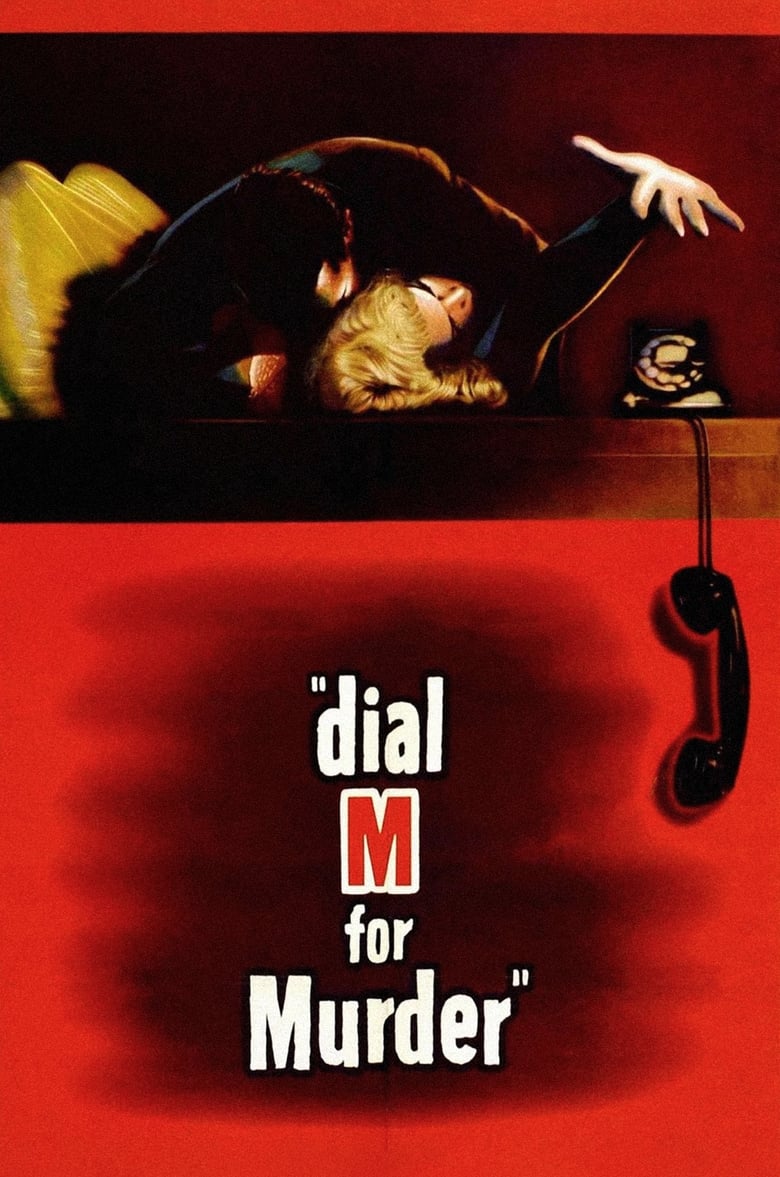
1954
PGDirector
Alfred Hitchcock
Runtime
105 minutes
Average Rating
No ratings yetSynopsis
When her American lover visits London, a wealthy woman’s jealous husband hatches a plan to murder her and inherit her fortune.
Overall Score
Limited
Category Breakdown
LGBTQ+ Representation
The film lacks LGBTQ+ characters or non-heteronormative identities. The central conflict is rooted entirely in a traditional, fractured heterosexual marriage.
Gender Representation
Margot Wendice eventually moves from vulnerability to active survival. However, the narrative adheres to traditional hierarchies where the male protagonist orchestrates the conflict through calculated intellect.
Racial & Ethnic Diversity
The cast is predominantly white and upper-middle-class. The setting and character demographics reinforce a homogeneous, Anglo-centric social environment typical of 1954.
Religious & Cultural Diversity
The story critiques individual greed and the corruptive influence of wealth. This is framed as a personal moral failing rather than a systemic critique of institutions.
Disability Representation
There are no prominent depictions of visible or invisible disabilities. No neurodivergence or chronic illness is utilized as a central character trait or plot device.
Strengths
Areas for Improvement
AI Analysis
Alfred Hitchcock’s thriller is a sophisticated study of individual morality and psychological suspense. It excels in technical mastery and tension but remains deeply embedded in the social hierarchies of its era. The film operates within established mid-century Western norms, focusing on personal psychological drama rather than systemic deconstruction. While it offers a compelling look at betrayal, it lacks intersectional complexity. Ultimately, the narrative functions as a closed loop of traditional social structures, providing a polished but demographically narrow cinematic experience.
1943
1951

1930
1949
1948
1937

1956
1944
1950
1948
1955
1991
No reviews yet. Be the first to share your thoughts on this movie!
Use the rating form above to leave a star rating and optional review.