The Man with the Golden Arm
1955
No user ratings available yet
Representation score: 4.4 out of 10
Representation Score
Limited
1945
NRDirector
Billy Wilder
Runtime
101 minutes
Average Rating
No ratings yetNew Showbiz Analysis
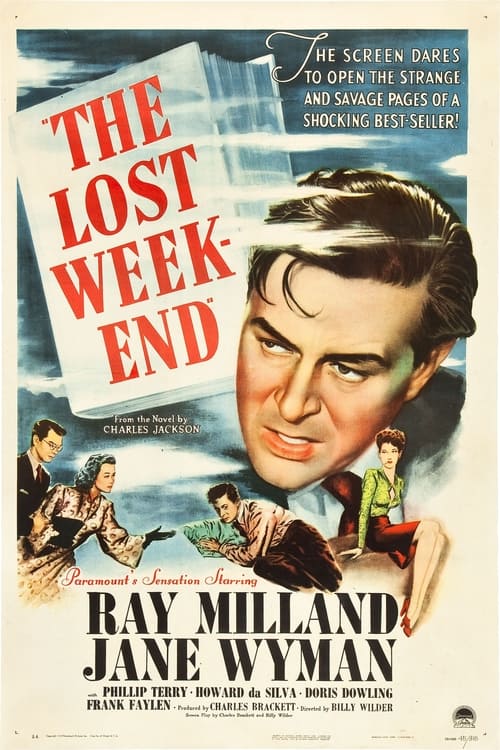
Billy Wilder’s drama is a landmark of psychological realism, particularly in its sophisticated treatment of addiction. By employing distorted angles and hallucinatory sequences, the film allows viewers to experience the internal reality of a mental health struggle. However, the film reflects its era, lacking in diversity. It centers on a white, middle-class demographic and upholds traditional gender roles from the 1940s. Ultimately, while the film excels in depicting the complexities of human frailty and non-visible disabilities, it lacks diversity in terms of race, culture, and sexual orientation.
Category Breakdown
The film follows a strictly heterosexual structure and does not explore non-binary gender identities. It focuses on the relationship between the male protagonist and his female partner without delving into diverse sexual orientations.
Female characters serve mainly as emotional anchors for the male protagonist. They exhibit realistic frustration but adhere to traditional 1940s gender roles and male-dominated narratives.
The setting is a homogeneous, white, middle-class environment in New York City. The narrative does not engage with racial or ethnic diversity.
The story critiques the fragility of middle-class stability. It frames the protagonist's decline as a personal tragedy rather than a systemic issue.
The film provides a realistic portrayal of alcoholism as a non-visible disability. It uses expressionistic techniques to depict the protagonist's psychological and neurological struggles without offering a simple resolution.
Present on Screen
Limited or Absent
Official Synopsis
Longtime alcoholic Don Birnam has been sober for ten days and appears to be over the worst... but his craving has just become more insidious. Evading a country weekend planned by his brother and girlfriend, he begins a four-day bender that just might be his last – one way or another.
1955

1963
1950
1956
1995
1963
1957
1958
No reviews yet. Be the first to share your thoughts on this movie!
Use the rating form above to leave a star rating and optional review.