Alice in Wonderland
1951
No user ratings available yet
Representation score: 4.9 out of 10
Representation Score
Minimal
1953
GDirector
Clyde Geronimi, Wilfred Jackson, Hamilton Luske
Runtime
77 minutes
Average Rating
No ratings yetNew Showbiz Analysis
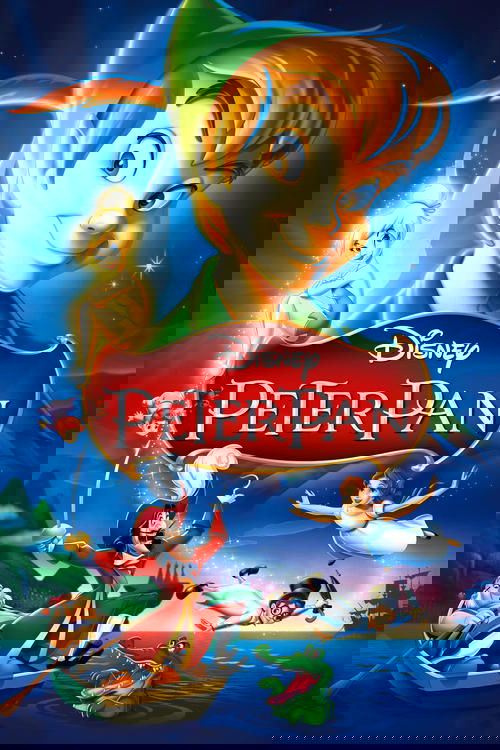
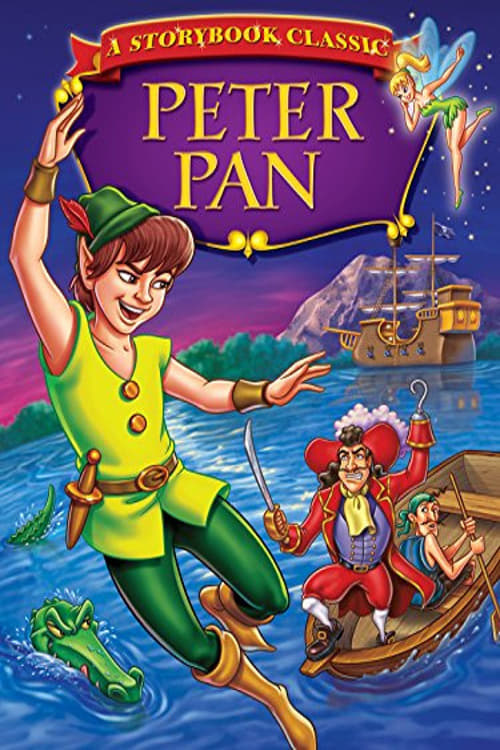
Peter Pan is a quintessential product of mid-20th-century classical animation, prioritizing traditional narrative structures and conventional moral binaries. The film focuses on preserving childhood innocence through a lens that reinforces the social hierarchies of its era. The narrative lacks intentional challenges to social norms. It relies on a homogeneous Anglo-Saxon cast and maintains rigid gendered expectations, particularly regarding domesticity and caretaking roles. While the film offers an escape from adult responsibility, it does so without questioning the systemic structures or cultural perspectives of the 1950s.
Category Breakdown
The film strictly assumes that everyone is straight or cisgender. Tinker Bell's strong feelings towards Peter Pan are portrayed as jealousy rather than potential queer identity, leaving no room for non-traditional romantic relationships.
Gender hierarchies are reinforced through character roles. Wendy Darling is portrayed as a maternal figure, tasked with caring for and educating the Lost Boys.
The cast and character designs reflect a homogeneous social landscape. The narrative lacks diverse ethnic backgrounds or intentional efforts toward multi-layered representation.
The story operates on a binary moral framework of good versus evil. It avoids systemic critiques of Western institutions, maintaining a stable and traditional moral compass.
The film does not feature prominent characters with visible or invisible disabilities. Disability is not used as a central plot device or for mockery.
Present on Screen
Limited or Absent
Official Synopsis
Leaving the safety of their nursery behind, Wendy, Michael and John follow Peter Pan to a magical world where childhood lasts forever. But while in Neverland, the kids must face Captain Hook and foil his attempts to get rid of Peter for good.
1951
1939

2003
1990
1947
1982
1988

1997
No reviews yet. Be the first to share your thoughts on this movie!
Use the rating form above to leave a star rating and optional review.