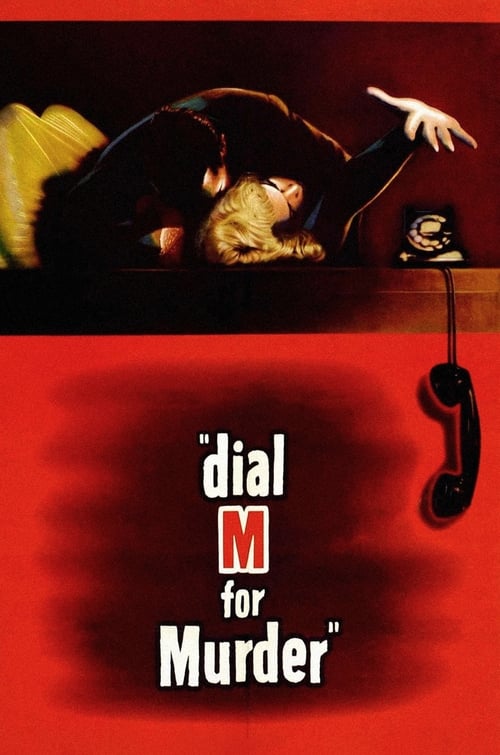
Dial M for Murder
1954
No user ratings available yet
Representation score: 1.2 out of 10
Representation Score
Minimal
1956
NRDirector
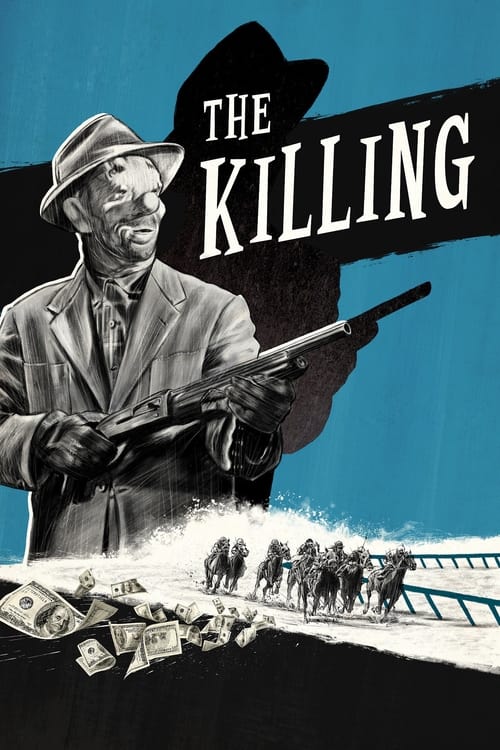
Stanley Kubrick
Runtime
85 minutes
Average Rating
No ratings yetNew Showbiz Analysis
The Killing is a masterful example of mid-century noir cynicism that emphasizes technical precision and non-linear storytelling. While it challenges traditional 'heroic' crime clichés, it does so through a lens that lacks modern multi-layered markers. The film focuses on a complex study of human frailty and systemic consequences, but it falls short in representing racial, ethnic, and LGBTQ+ diversity.
Category Breakdown
The film assumes everyone is straight and cisgender, with no depictions of LGBTQ+ identities or same-sex relationships.
Sherry challenges traditional gender roles by driving the plot through her actions. However, the story focuses on male-dominated criminal activities and power structures.
The cast is mostly made up of white actors, reflecting the social norms of the 1950s. The setting and characters represent a predominantly white, Anglo-Saxon community.
The film explores moral relativism and situational ethics, challenging the idea of the noble criminal. It offers a cynical view of social contracts and urban trust.
There are no visible or invisible disabilities shown in the characters' stories.
Present on Screen
Limited or Absent
Official Synopsis
Career criminal Johnny Clay recruits a sharpshooter, a crooked police officer, a bartender and a betting teller named George, among others, for one last job before he goes straight and gets married. But when George tells his restless wife about the scheme to steal millions from the racetrack where he works, she hatches a plot of her own.
1954
1949

1973
1950
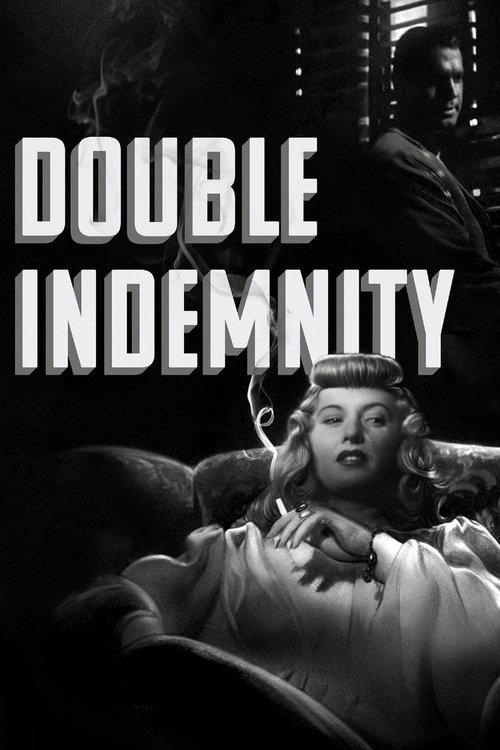
1944

1955

2001
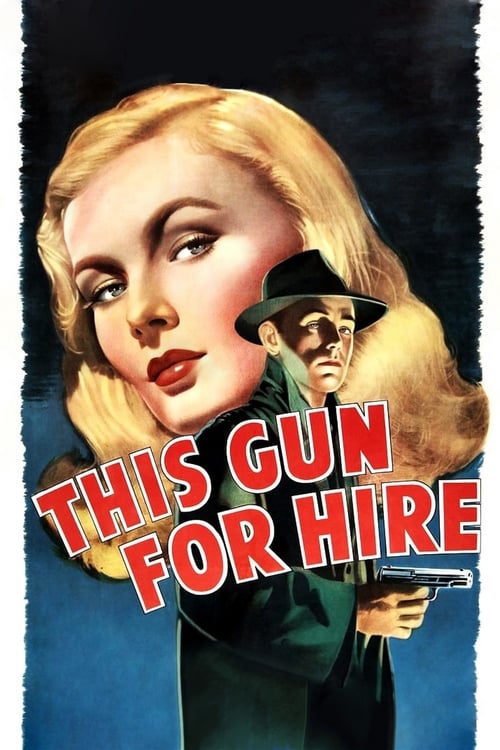
1942
No reviews yet. Be the first to share your thoughts on this movie!
Use the rating form above to leave a star rating and optional review.