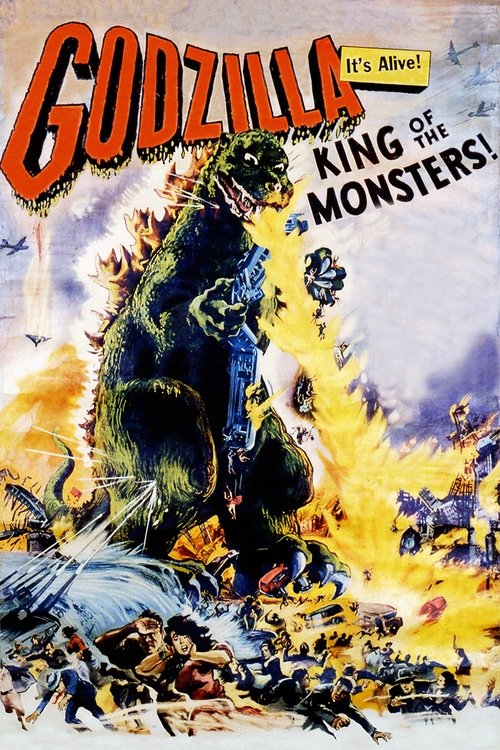
Godzilla, King of the Monsters!
1956
No user ratings available yet
Representation score: 0.9 out of 10
Representation Score
Limited
1954
NRDirector
Ishirō Honda
Runtime
96 minutes
Average Rating
No ratings yetNew Showbiz Analysis
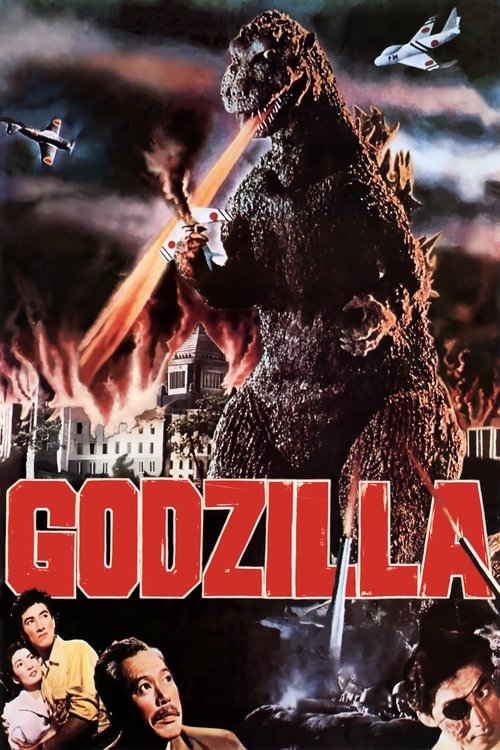
Godzilla (1954) is a groundbreaking film that uses the kaiju genre to explore post-war trauma and nuclear anxiety. Its strength lies in its critique of nuclear proliferation and the dangers of scientific arrogance. However, the film is limited by the social norms of its time, featuring a patriarchal structure and a homogeneous cast lacking in ethnic or multi-layered diversity.
Category Breakdown
The film contains no LGBTQ+ characters or narratives. It adheres strictly to the traditional social structures of the 1950s.
The film is dominated by male scientists and military leaders, reflecting a patriarchal society. Female characters such as Emiko Yamane play important roles but often lack independent ability to act.
The story primarily centers on the Japanese experience and lacks diverse ethnic backgrounds. It focuses on a homogeneous population without incorporating multi-layered diversity.
The film critiques Western technological expansion and the nuclear arms race, presenting the monster as a result of geopolitical negligence rather than simple evil.
There are no significant depictions of physical or neurodivergent disabilities within the primary character arcs.
Present on Screen
Limited or Absent
Official Synopsis
Japan is thrown into a panic after several ships are sunk near Odo Island. An expedition to the island led by Dr. Kyohei Yamane soon discover something far more devastating than imagined in the form of a 50 meter tall monster whom the natives call Gojira. Now the monster begins a rampage that threatens to destroy not only Japan, but the rest of the world as well.
1956
1964
1955
1984

1956
1953

1958
1957
No reviews yet. Be the first to share your thoughts on this movie!
Use the rating form above to leave a star rating and optional review.