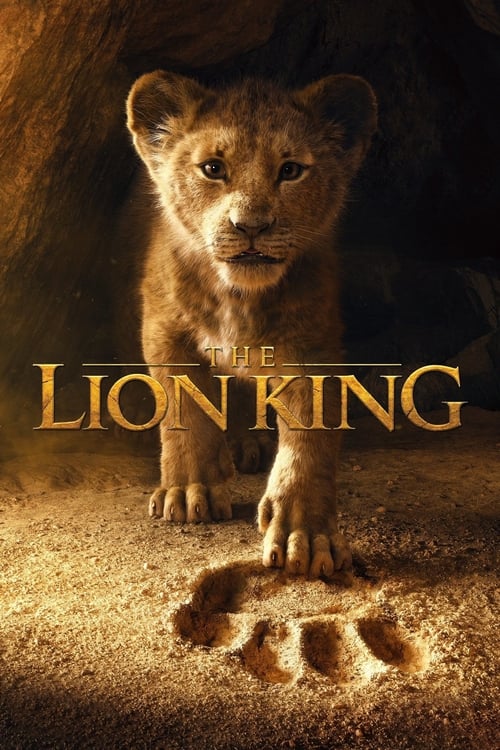
The Lion King
2019
No user ratings available yet
Representation score: 1.5 out of 10
Representation Score
Limited
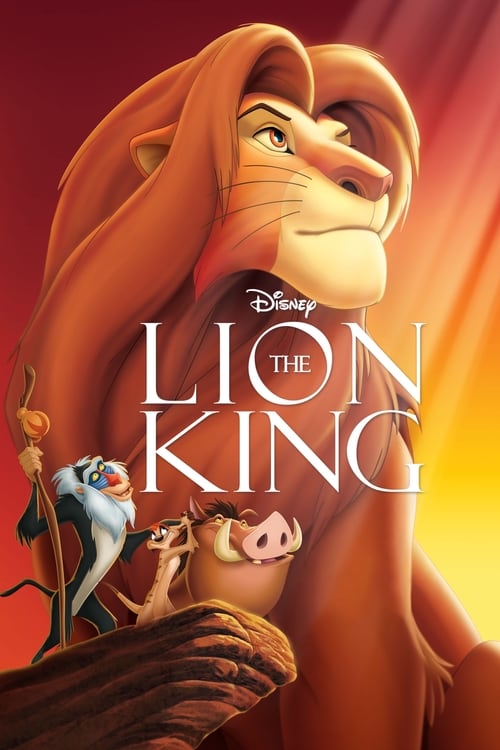
1994
GDirector
Roger Allers, Rob Minkoff
Runtime
89 minutes
Average Rating
No ratings yetNew Showbiz Analysis
The film argues that traditional hierarchy and paternal duty are the correct foundations for society. Simba’s journey validates the existing order, where the son must accept the father’s role. The "Circle of Life" functions as a natural law that justifies the status quo. The ending reinforces that returning to one’s birthright is the only path to peace and prosperity. Mufasa’s wisdom remains the moral benchmark even after his death. The narrative treats the existing social structure as the natural, correct order. Simba’s return to kingship validates the hierarchy established by his father. The story presents this return as the sole resolution to conflict. The audience is shown that accepting one's place in the natural order brings peace.
Category Breakdown
No same-sex romance or queer identities appear in the film. The only romantic pairing is the heterosexual union between Simba and Nala. Non-binary characters are absent from the narrative.
Male characters drive the plot and hold all political power. Simba is the moral center, while Nala serves as a catalyst to restore his rule. Traditional gender roles remain unchallenged throughout the story.
The film features no human characters, so racial and ethnic diversity is not depicted. The animal cast does not map to specific human racial groups or historical contexts.
Traditional hierarchy and paternal authority are treated as the natural, correct order. Mufasa’s wisdom is the moral benchmark, and Simba’s return to kingship validates the existing social structure.
No characters with lasting physical, sensory, or cognitive impairments appear. The film does not depict disability, neurodivergence, or stigmatized bodies as part of the story.
Present on Screen
Limited or Absent
Official Synopsis
Young lion prince Simba, eager to one day become king of the Pride Lands, grows up under the watchful eye of his father Mufasa; all the while his villainous uncle Scar conspires to take the throne for himself. Amid betrayal and tragedy, Simba must confront his past and find his rightful place in the Circle of Life.
2019
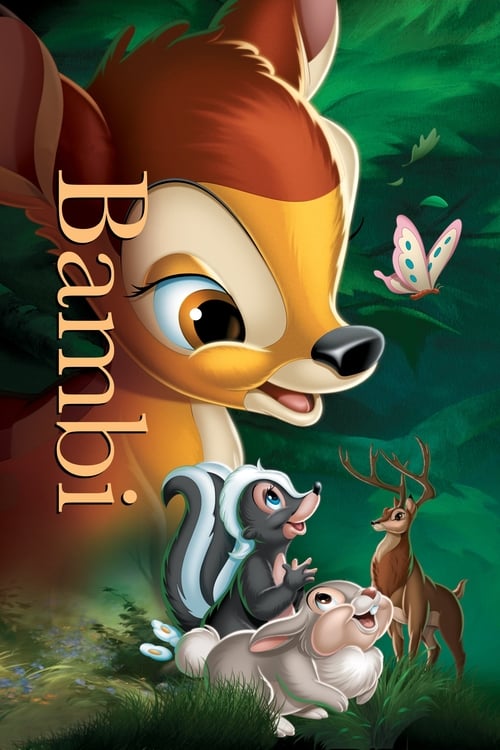
1942
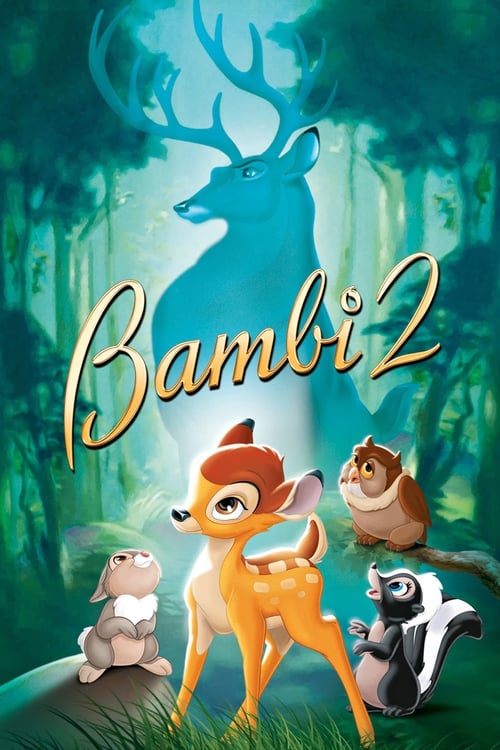
2006
2007
1998

1997

1981
2006
No reviews yet. Be the first to share your thoughts on this movie!
Use the rating form above to leave a star rating and optional review.