Rio 2
2014
No user ratings available yet
Representation score: 4.4 out of 10
Representation Score
Good
2011
GDirector
Carlos Saldanha
Runtime
96 minutes
Average Rating
No ratings yetNew Showbiz Analysis
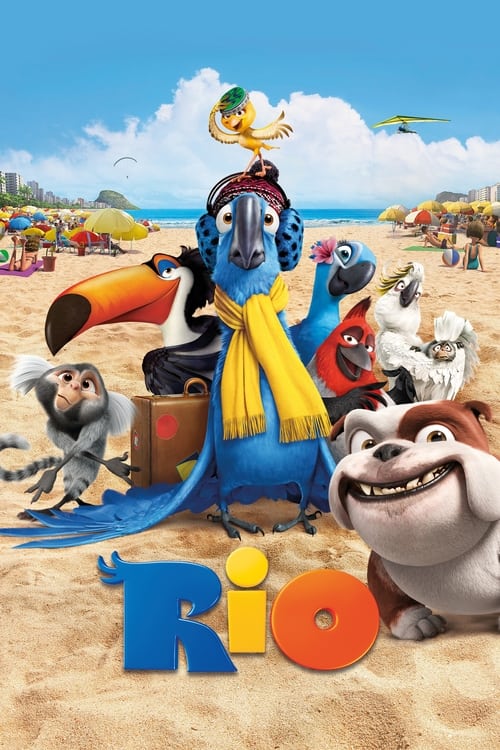
Rio succeeds in de-centering Western perspectives by immersing its audience in the vibrant, rhythmic culture of Brazil. By utilizing Samba and local aesthetics, the film moves beyond Anglo-centric storytelling norms to celebrate a globalized landscape. The film also offers a refreshing subversion of gender roles. Jewel is not a passive character; her physical ability to act and survival skills often outshine Blu’s domesticity, challenging traditional masculine leadership clichés. However, the film remains limited by a conventional romantic structure and a disability narrative that focuses on overcoming limitations rather than exploring them deeply. While progressive in its environmental ethics, it lacks significant LGBTQ+ visibility.
Category Breakdown
The film follows a traditional framework that assumes everyone is straight or cisgender. The central romance between Blu and Jewel is presented through a conventional monogamous lens without including any queer dynamics.
Jewel challenges traditional gender roles by acting as the primary driver of survival and physical ability to act. Her competence disrupts the damsel in distress cliché, often exceeding Blu's autonomy.
The setting celebrates Brazilian culture through Samba musicality and local aesthetics. This de-centers Western storytelling by placing the adventure within a vibrant, non-Western landscape.
The narrative critiques the exploitation of natural resources by framing smugglers as agents of systemic destruction. It emphasizes environmental morality and the protection of indigenous species.
Blu’s inability to fly serves as a metaphor for physical limitation or neurodivergence. While it drives his empowerment arc, the story ultimately pushes toward a return to normalcy.
Present on Screen
Limited or Absent
Official Synopsis
Captured by smugglers when he was just a hatchling, a macaw named Blu never learned to fly and lives a happily domesticated life in Minnesota with his human friend, Linda. Blu is thought to be the last of his kind, but when word comes that Jewel, a lone female, lives in Rio de Janeiro, Blu and Linda go to meet her. Animal smugglers kidnap Blu and Jewel, but the pair soon escape and begin a perilous adventure back to freedom -- and Linda.
2014

2014
2012
2006
2008
1977

2008
2008
No reviews yet. Be the first to share your thoughts on this movie!
Use the rating form above to leave a star rating and optional review.