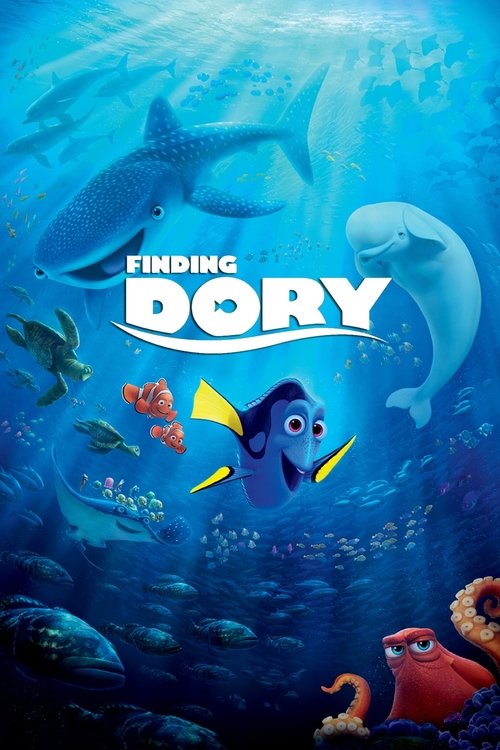
Finding Dory
2016
No user ratings available yet
Representation score: 6.0 out of 10
Representation Score
Limited
2003
GDirector
Andrew Stanton
Runtime
100 minutes
Average Rating
No ratings yetNew Showbiz Analysis
The film argues that parental overprotection, born from trauma, hinders a child’s growth. Marlin’s journey is about learning to trust his son’s capability despite his own fear. The narrative positions natural instinct as something that can be managed through moral choice and acceptance. The last moral word is one of letting go: Marlin accepts Nemo’s independence, and Nemo proves he can survive without constant supervision.
Category Breakdown
No same-sex romance, queer characters, or identity themes appear. The film focuses entirely on parent-child bonds and species-based social dynamics.
Marlin drives the plot as an anxious, overprotective father whose micromanagement creates the central conflict. Dory serves as a capable, if forgetful, partner who solves problems Marlin cannot.
The cast consists entirely of anthropomorphized marine animals. No human characters or ethnic dynamics are depicted, so no diversity is present or implied.
Family and parental instinct are treated as the primary moral framework. Marlin’s fear is framed as a natural response to trauma, not a systemic failure.
Nemo’s small fin and Dory’s short-term memory loss are central character traits. They are treated as manageable differences that do not define the characters’ worth.
Present on Screen
Limited or Absent
Official Synopsis
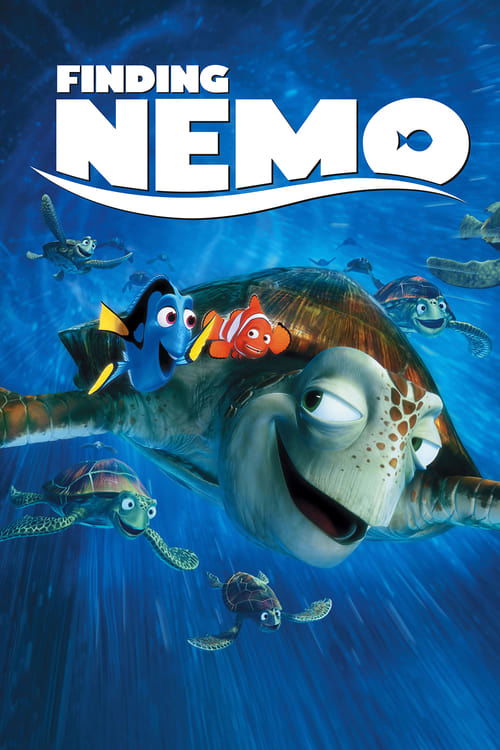
Nemo, an adventurous young clownfish, is unexpectedly taken from his Great Barrier Reef home to a dentist's office aquarium. It's up to his worrisome father Marlin and a friendly but forgetful fish Dory to bring Nemo home -- meeting vegetarian sharks, surfer dude turtles, hypnotic jellyfish, hungry seagulls, and more along the way.
2016

1997
2008
2007
2002

2014
2002

2006
No reviews yet. Be the first to share your thoughts on this movie!
Use the rating form above to leave a star rating and optional review.