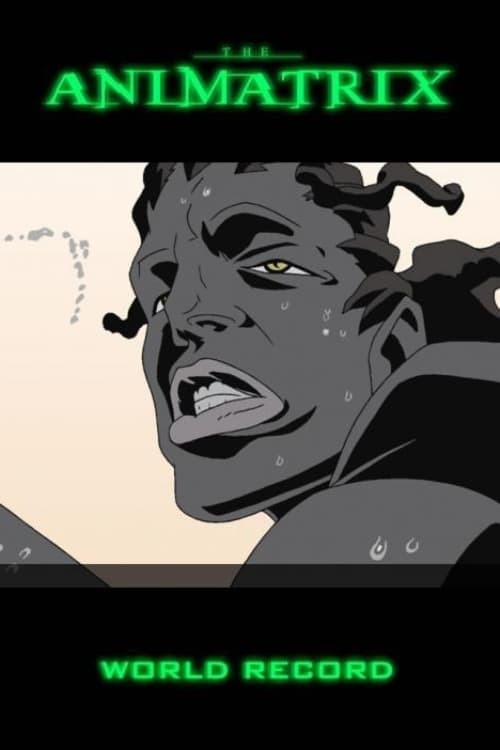
World Record
2003
No user ratings available yet
Representation score: 8.5 out of 10
Representation Score
Excellent
2003
UnratedDirector
Kōji Morimoto, Peter Chung, Shinichiro Watanabe, Mahiro Maeda, Yoshiaki Kawajiri, Takeshi Koike, Andrew R. Jones
Runtime
102 minutes
Average Rating
No ratings yetNew Showbiz Analysis
The anthology stands out by deconstructing power dynamics and challenging traditional heroic archetypes. Its strength lies in its sophisticated critique of systemic oppression and its use of post-colonial frameworks to reframe the conflict between humans and machines. While the film excels in cultural and racial diversity, it lacks specific, character-driven narratives regarding LGBTQ+ identities and lived disability. These elements are often used as atmospheric or existential plot devices. Ultimately, the work is a progressive piece of speculative fiction that avoids singular moralities, embracing moral relativism and skepticism of established authority.
Category Breakdown
The anthology focuses on existential and systemic conflicts rather than identity-based romance. Character designs hint at a non-straight-centered cyberpunk world, but explicit LGBTQ+ plotlines are missing. Representation is more atmospheric than concrete.
The work breaks traditional gender roles by featuring women in powerful, commanding roles. Women play key roles in shaping both virtual and real-world environments, subverting typical submissive stereotypes.
Diverse animation styles and a global creative team create a richly varied visual landscape. Character aesthetics reflect a wide range of ethnic backgrounds, preventing a homogeneous norm and showcasing a multifaceted, post-national setting.
The film critiques industrial capitalism and Western institutions through post-colonial allegory. It frames the machine uprising as a response to human prejudice and systemic oppression.
Themes of sensory and cognitive differences emerge through human-machine integration. These elements serve as metaphors for altered perception rather than character-driven explorations of lived disability.
Present on Screen
Limited or Absent
Official Synopsis
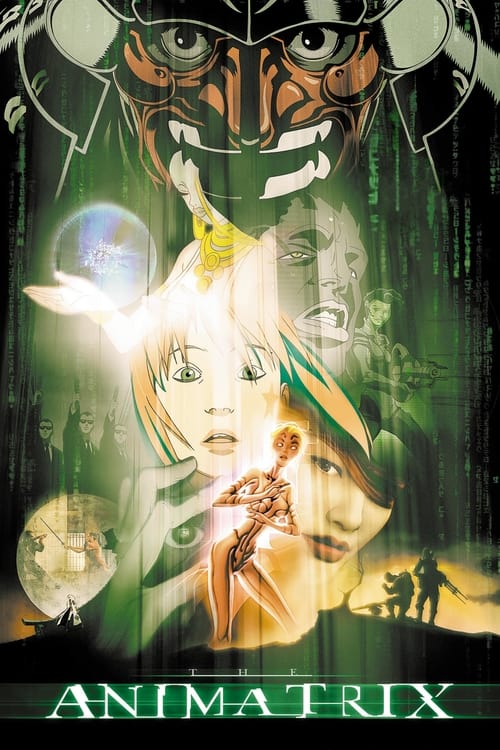
Straight from the creators of the groundbreaking Matrix trilogy, this collection of short animated films from the world's leading anime directors fuses computer graphics and Japanese anime to provide the background of the Matrix universe and the conflict between man and machines. The shorts include Final Flight of the Osiris, The Second Renaissance, Kid's Story, Program, World Record, Beyond, A Detective Story and Matriculated.
2003
2010

2003
2013
2003

2006

2003
2001
No reviews yet. Be the first to share your thoughts on this movie!
Use the rating form above to leave a star rating and optional review.