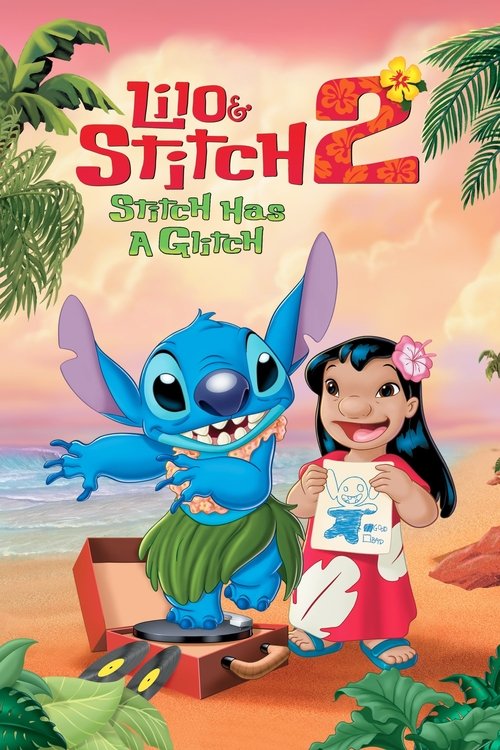
Lilo & Stitch 2: Stitch Has a Glitch
2005
No user ratings available yet
Representation score: 5.8 out of 10
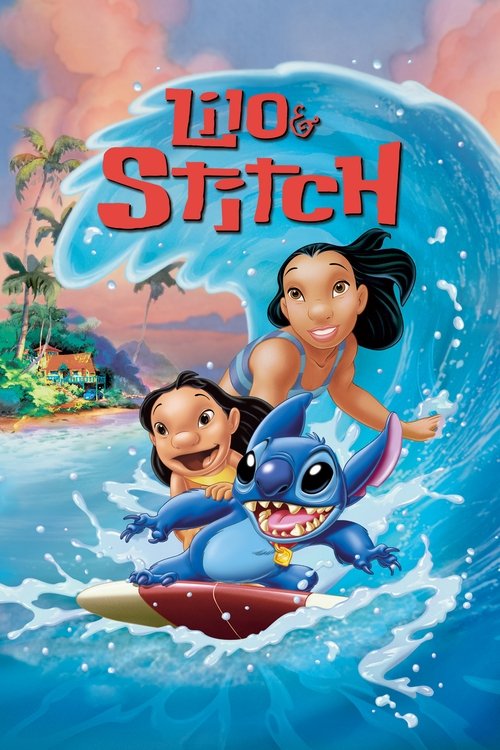
Representation Score
Excellent
2002
PGDirector
Dean DeBlois, Chris Sanders
Runtime
85 minutes
Average Rating
No ratings yetNew Showbiz Analysis
Lilo & Stitch effectively deconstructs the traditional family unit by emphasizing indigenous frameworks and the concept of ʻohana. The film explores communal resilience and challenges conventional gender hierarchies. While it avoids harmful stereotypes, the film does not explicitly represent LGBTQ+ characters or use specific neurodivergent terminology. This limits its engagement with certain identity markers.
Category Breakdown
The film does not include explicit LGBTQ+ characters or relationships that go beyond the assumption that everyone is straight. It avoids typical heterosexual milestones but does not use storytelling techniques that hint at LGBTQ+ identities.
The story challenges traditional gender roles by focusing on a female-led household. Nani plays a significant role in driving the story, navigating both labor and caretaking responsibilities. Masculinity is shown as less influential or authoritative.
The film successfully integrates Native Hawaiian identity and language into its main themes. It emphasizes the lived experiences of indigenous people rather than a Western tourist perspective.
The narrative replaces the idea of a traditional family structure with the concept of 'found family.' It highlights the tension between individual freedom and state control among working-class communities.
Lilo displays behaviors that suggest she may have a neurodevelopmental condition, such as social isolation and unusual behavior. These traits are portrayed with empathy, avoiding mockery.
Present on Screen
Limited or Absent
Official Synopsis
As Stitch, a runaway genetic experiment from a faraway planet, wreaks havoc on the Hawaiian Islands, he becomes the mischievous adopted alien "puppy" of an independent little girl named Lilo and learns about loyalty, friendship, and ʻohana, the Hawaiian tradition of family.
2005
2007
2006

2004

2003
2006
2003

1997
No reviews yet. Be the first to share your thoughts on this movie!
Use the rating form above to leave a star rating and optional review.