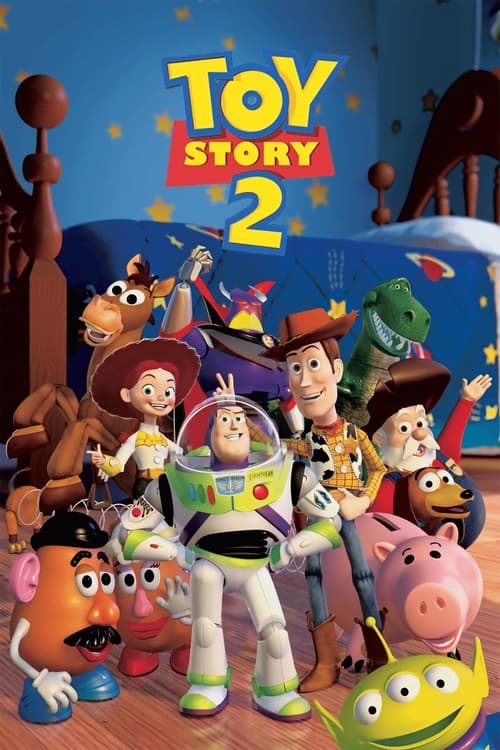
Toy Story 2
1999
No user ratings available yet
Representation score: 5.1 out of 10
Representation Score
Limited
1995
GDirector
John Lasseter
Runtime
81 minutes
Average Rating
No ratings yetNew Showbiz Analysis
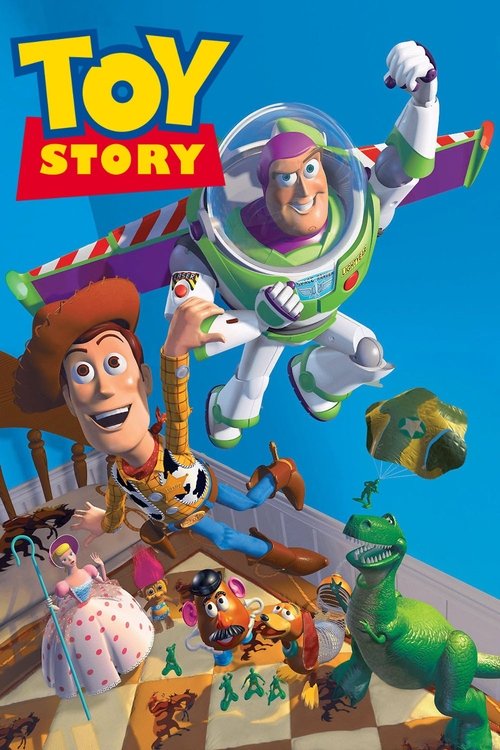
The film argues that trust and friendship resolve conflict, with Bo Peep’s wisdom guiding the male leads. It upholds traditional hierarchies of ownership and family without questioning them. The narrative is a straightforward adventure that reinforces the comfort of the status quo.
Category Breakdown
No same-sex romance or queer identity themes appear. The story focuses entirely on platonic friendship and ownership dynamics between toys.
Bo Peep delivers the film’s key moral advice to Woody. She acts as a calm, rational foil to the male leads’ ego-driven conflict.
The cast is entirely white, reflecting the 1995 suburban setting. No racial dynamics or diversity are depicted in the narrative.
The nuclear family and suburban stability are treated as the ideal. Andy’s home is a safe haven, while the neighbor’s house represents chaos.
No characters have lasting physical or cognitive impairments. Buzz’s broken arm is a temporary plot device, not a disability portrait.
Present on Screen
Limited or Absent
Official Synopsis
Led by Woody, Andy's toys live happily in his room until Andy's birthday brings Buzz Lightyear onto the scene. Afraid of losing his place in Andy's heart, Woody plots against Buzz. But when circumstances separate Buzz and Woody from their owner, the duo eventually learns to put aside their differences.
1999

1997
2006
2000

1998
1998
2010
2006
No reviews yet. Be the first to share your thoughts on this movie!
Use the rating form above to leave a star rating and optional review.