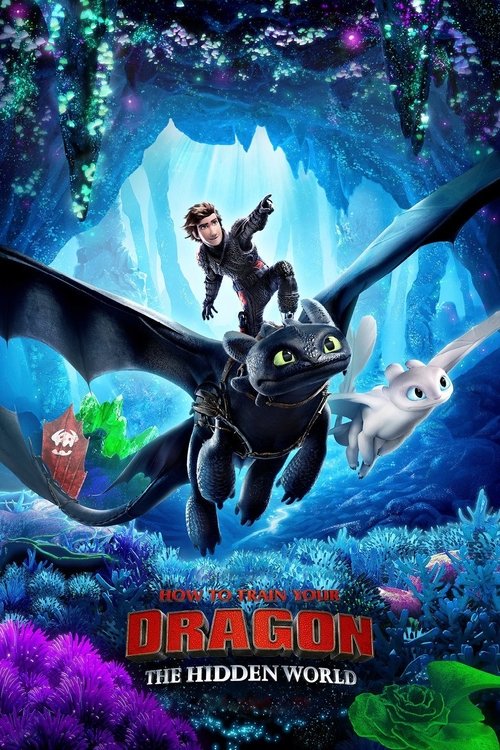
How to Train Your Dragon: The Hidden World
2019
No user ratings available yet
Representation score: 3.9 out of 10
Representation Score
Good
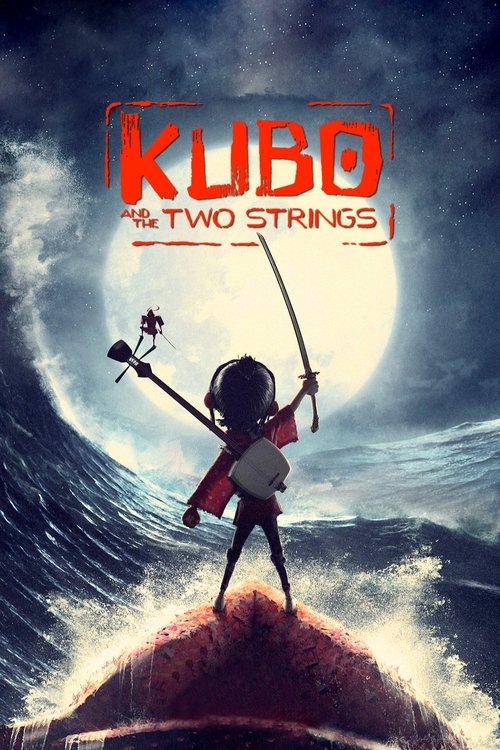
2016
PGDirector
Travis Knight
Runtime
102 minutes
Average Rating
No ratings yetNew Showbiz Analysis
Kubo and the Two Strings excels in its cultural specificity and subversion of traditional hero clichés. By grounding its magic and visual language in Japanese-inspired folklore, the film avoids generic mainstream aesthetics. The narrative also critiques detached celestial authority, framing the pursuit of perfect sterility as oppressive. Instead, it celebrates the strength found in human imperfection and communal memory. However, the film adheres to a traditional framework regarding character origins and lacks explicit representation of LGBTQ+ identities or physical disabilities.
Category Breakdown
The story focuses on family lineage and ancestral ties. There are no explicit representations of LGBTQ+ identities or same-sex relationships.
Sariatu challenges traditional gender roles as a skilled warrior and protector. She embodies female empowerment and disrupts the typical male-centric hero archetype.
The film incorporates a Japanese-inspired aesthetic and traditional shamisen music. This dedication to cultural specifics avoids a generic Western style, embedding identity within the magic system.
The narrative criticizes distant celestial authority through the Moon King. It highlights the power of human storytelling as resistance against systematic erasure. It celebrates the strength found in human imperfection and communal memory.
Though there are no explicit physical or neurodivergent characters, the film explores the psychological impact of grief. Characters navigate emotional trauma as a central part of their journey.
Present on Screen
Limited or Absent
Official Synopsis
Kubo mesmerizes the people in his village with his magical gift for spinning wild tales with origami. When he accidentally summons an evil spirit seeking vengeance, Kubo is forced to go on a quest to solve the mystery of his fallen samurai father and his mystical weaponry, as well as discover his own magical powers.
2019

2014

2016
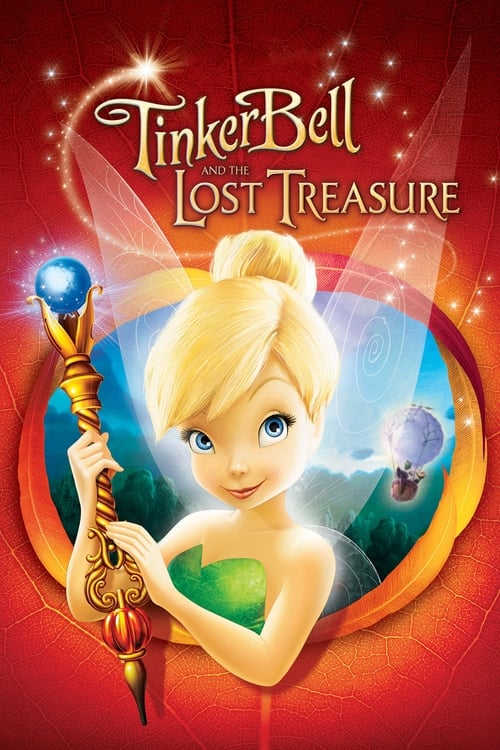
2009
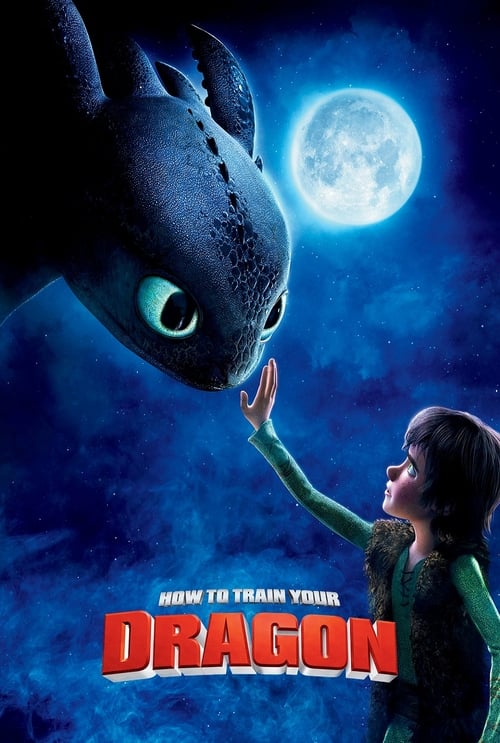
2010
2021
2014
2008
No reviews yet. Be the first to share your thoughts on this movie!
Use the rating form above to leave a star rating and optional review.