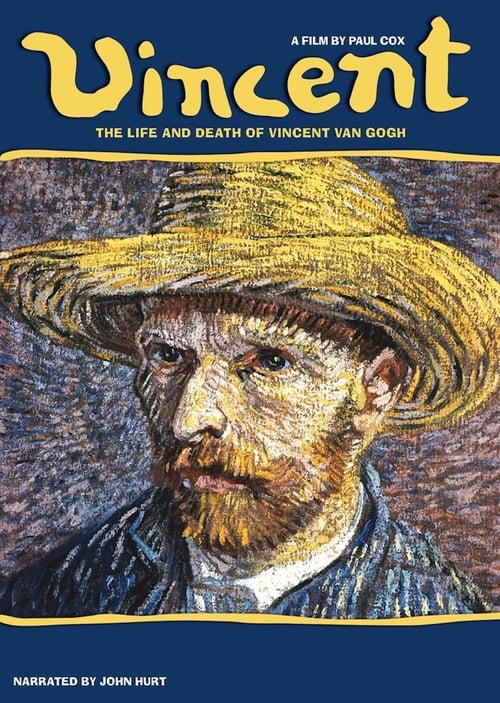
Vincent
1987
No user ratings available yet
Representation score: 5.6 out of 10

Representation Score
Limited
2017
PG-13Director
DK Welchman, Hugh Welchman
Runtime
95 minutes
Average Rating
No ratings yetNew Showbiz Analysis
Loving Vincent is a stylistic triumph that uses hand-painted animation to bridge the gap between history and psychological subjectivity. Its greatest strength lies in how it visualizes mental health, turning a character's internal struggle into a shared sensory experience for the viewer. However, the film is a traditionalist biographical work. It recreates a specific historical milieu without attempting to deconstruct the racial, gender, or sexual hierarchies of the period, resulting in a narrow demographic scope. Ultimately, the film prioritizes aesthetic and psychological depth over social representation, making it a profound study of an individual rather than a diverse ensemble piece.
Category Breakdown
The film adheres strictly to the social structures of 19th-century France. It lacks explicit depictions of LGBTQ+ identities or subtext, focusing instead on traditional interpersonal relationships.
Female characters like Marguerite Gachet play a significant role in driving the story and possess intellectual depth. However, the narrative remains centered on the male experience of the 'tortured genius' archetype.
Set in rural France, the film features a largely homogeneous white European cast. It does not utilize diverse casting to challenge the historical context of the 1890s.
The story explores the friction between the individual and the era's medical and religious institutions. It focuses on the personal struggle for artistic truth rather than broader ideological frameworks.
The impressionistic animation style masterfully portrays neurodivergence and mental health. It centers the protagonist's psychological state as a fundamental part of their identity rather than a tool for pity.
Present on Screen
Limited or Absent
Official Synopsis
A young man arrives at the last hometown of painter Vincent van Gogh to deliver the troubled artist's final letter and ends up investigating his final days there.
1987
1991
2018
1986
2014
1956
2021
2017
No reviews yet. Be the first to share your thoughts on this movie!
Use the rating form above to leave a star rating and optional review.