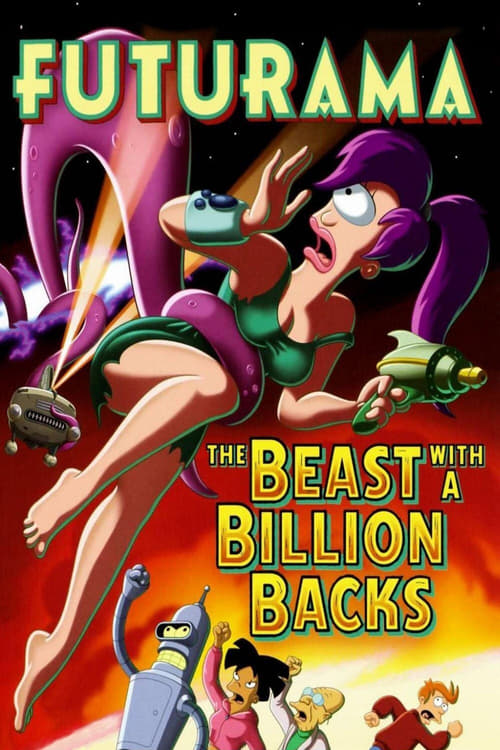
Futurama: The Beast with a Billion Backs
2008
No user ratings available yet
Representation score: 9.1 out of 10
Representation Score
Excellent
2009
Not RatedDirector
Peter Avanzino
Runtime
90 minutes
Average Rating
No ratings yetNew Showbiz Analysis
The film uses science fiction to challenge social hierarchies and corporate power structures. By featuring a wide range of non-humanoid species, it creates a diverse, post-racial universe that avoids traditional demographic clichés. However, the narrative fails to incorporate LGBTQ+ themes into the central plot, and the exploration of disability is limited to sci-fi world-building rather than meaningful character development.
Category Breakdown
The film doesn't include explicit stories centered around LGBTQ+ characters or relationships. The focus remains on the existing interpersonal relationships among the main crew members.
Leela is portrayed as a strong, authoritative leader who challenges traditional male dominance. Ecologically-minded feminists also play important roles, emphasizing female empowerment.
Diverse alien species are used to represent a complex demographic landscape, avoiding traditional racial binaries and creating a pluralistic cosmic setting.
MomCorp is depicted as a symbol of corporate hegemony, and the narrative critiques its authoritarian nature and lack of ethical standards.
Unique physical traits of alien species are shown as normal biological variations. The film doesn't focus on characters dealing with specific physical or mental disabilities.
Present on Screen
Limited or Absent
Official Synopsis
Leela becomes an outlaw when she and a group of ecologically-minded feminists attempt to save an asteroid of primitive life forms and the Violet Dwarf star from being destroyed, while Fry joins a secret society and attempts to stop a mysterious species known as the "Dark Ones" from destroying all life in the universe.
2008
2008
2007
2007
2022

2007
2008
2015
No reviews yet. Be the first to share your thoughts on this movie!
Use the rating form above to leave a star rating and optional review.