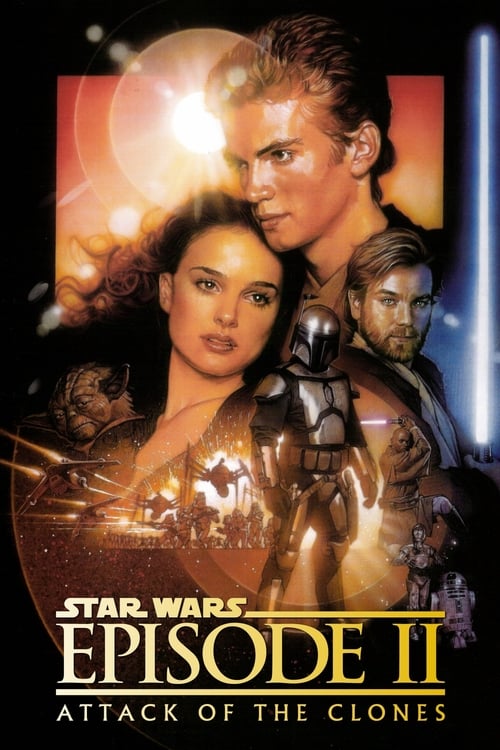
Star Wars: Episode II - Attack of the Clones
2002
No user ratings available yet
Representation score: 7.5 out of 10
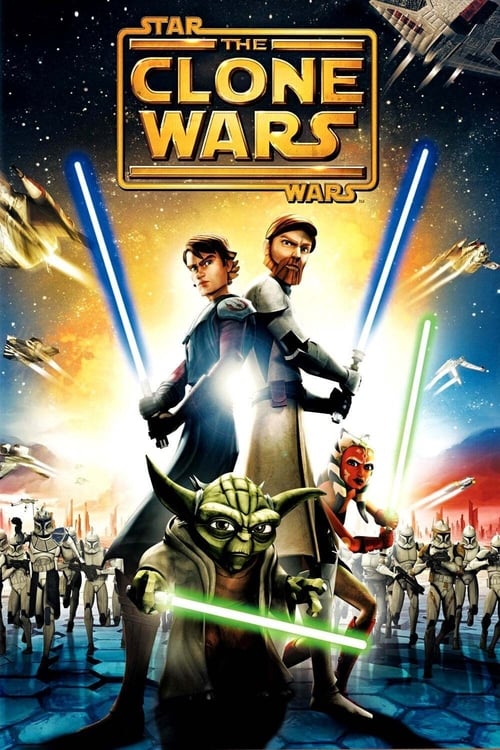
Representation Score
Excellent
2008
PGDirector
Dave Filoni
Runtime
98 minutes
Average Rating
No ratings yetNew Showbiz Analysis
The series effectively uses its science fiction setting to mirror real-world diversity, especially through its multi-species cast and the strong ability to act of female characters like Ahsoka Tano. By treating different species as cultural metaphors, the show creates a rich, pluralistic galaxy. However, the narrative remains tied to traditional romantic structures, relying on conventional relationship models for its primary character arcs. This limits its representation of LGBTQ+ issues. Overall, the work is a progressive step forward, successfully critiquing institutional authority and emphasizing the ability to act of underrepresented voices within a large-scale military conflict.
Category Breakdown
The main storyline focuses on the secret heterosexual marriage between Anakin Skywalker and Padmé Amidala. While there are strong emotional connections, there is no explicit representation of non-straight or same-sex romantic relationships.
Ahsoka Tano challenges traditional gender roles by serving as both a frontline combatant and a strategic leader. Other female characters like Padmé Amidala and Luminara Unduli are portrayed as influential political and martial figures rather than passive observers.
The series showcases a diverse cast of characters from various species such as Togruta, Wookiee, and Zabrak, which symbolize ethnic diversity. This multi-species ensemble promotes a pluralistic society by moving away from a homogeneous protagonist model.
The narrative critiques centralized power structures, depicting the Jedi Order as a monastic institution grappling with systemic corruption. It also explores themes of post-colonial struggle as star systems confront oppressive, imperialistic governance.
The series moderately addresses disability, focusing on the psychological impact of war rather than clinical neurodivergence. Character mental health is often discussed through the lens of the dark side and thematic trauma.
Present on Screen
Limited or Absent
Official Synopsis
As the Clone Wars sweep through the galaxy, Anakin Skywalker and his new Padawan learner Ahsoka Tano plunge into a dangerous mission to rescue the kidnapped son of crime lord Jabba the Hutt.
2002
2006
2005
2003
1999
2020
2014

2008
No reviews yet. Be the first to share your thoughts on this movie!
Use the rating form above to leave a star rating and optional review.