
The Secret Life of Pets
2016
No user ratings available yet
Representation score: 3.2 out of 10
Representation Score
Excellent
2018
PG-13Director
Wes Anderson
Runtime
101 minutes
Average Rating
No ratings yetNew Showbiz Analysis
Wes Anderson’s animated adventure succeeds by challenging Western-centric narrative structures. By setting the story in a Japanese context and focusing on the plight of the 'discarded,' the film provides a sophisticated critique of systemic exclusion and totalitarianism. While the film excels in cultural and racial representation, it remains traditional in its handling of gender and identity. The central quest is driven by a male protagonist, and the narrative lacks explicit LGBTQ+ markers or deep explorations of neurodivergence. Ultimately, the film uses its stylized, metaphorical lens to examine how dominant power structures marginalize those deemed unproductive. It is an intellectually stimulating work that challenges conventional genre expectations.
Category Breakdown
The film does not explicitly include LGBTQ+ identities or same-sex romantic relationships. It focuses on strong emotional connections between characters but does not explore non-traditional gender expressions.
Female characters play important roles in the city's bureaucracy. However, the main storyline follows a male-driven journey led by the protagonist, Atari.
By setting the story in a Japanese environment, the film avoids Western-centric storytelling. It uses the concept of canine exile as a metaphor for the exclusion of ethnic and social minorities.
The story critiques centralized authority and state-sponsored propaganda. It portrays the municipal government as a manipulative force that justifies social cleansing through environmentalism.
Characters face physical vulnerabilities due to their exile. However, these traits highlight environmental struggles rather than nuanced explorations of specific disabilities.
Present on Screen
Limited or Absent
Official Synopsis
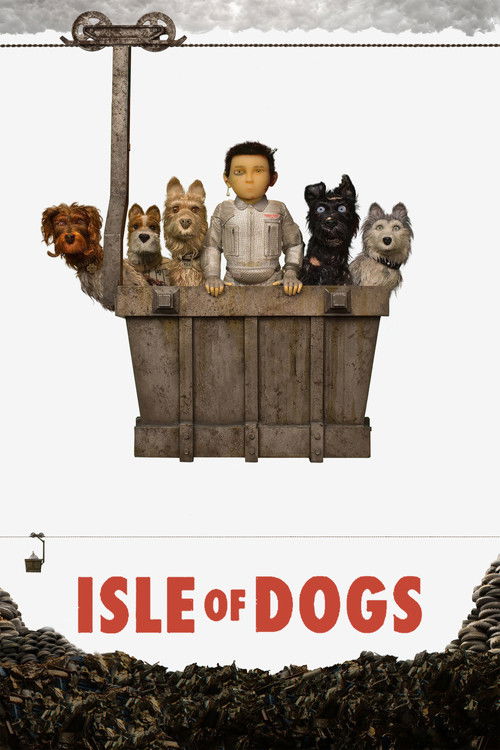
In the future, an outbreak of canine flu leads the mayor of a Japanese city to banish all dogs to an island used as a garbage dump. The outcasts must soon embark on an epic journey when a 12-year-old boy arrives on the island to find his beloved pet.
2016

1982

2016

2015

2019

1978

2019

1972
No reviews yet. Be the first to share your thoughts on this movie!
Use the rating form above to leave a star rating and optional review.