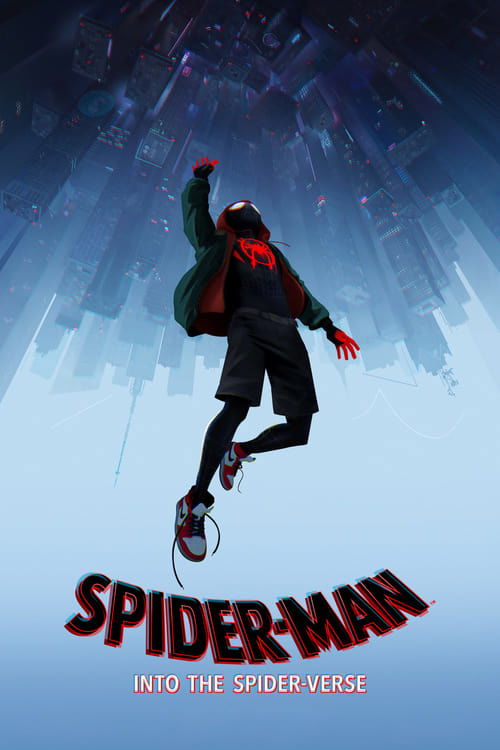
Spider-Man: Into the Spider-Verse
2018
No user ratings available yet
Representation score: 6.0 out of 10
Representation Score
Excellent
2023
PGDirector
Kemp Powers, Justin K. Thompson, Joaquim Dos Santos
Runtime
140 minutes
Average Rating
No ratings yetNew Showbiz Analysis
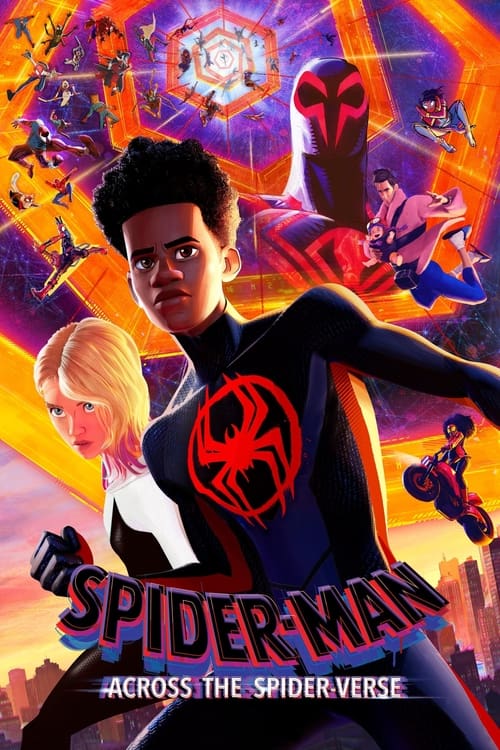
The film succeeds by making diverse identities a core part of its universe rather than an afterthought. By featuring an Afro-Latino protagonist and global variants, it dismantles the historically white superhero archetype. Strong characterizations of female leaders and queer-coded figures like Spider-Punk ensure meaningful representation. The multiverse serves as a metaphor for global diversity and the fight against systemic authority. While the film excels in racial and gendered representation, it offers less emphasis on physical or chronic disabilities. Neurodivergence is explored through unique visual language but remains largely symbolic.
Category Breakdown
Queer identity is naturally integrated into the multiverse. Hobie Brown embodies this through his unconventional style and dialogue that challenge traditional norms.
The film breaks down gender hierarchies by focusing on strong female leads like Gwen Stacy and Jessica Drew. These characters have significant influence and avoid typical damsel-in-distress stereotypes.
Miles Morales serves as a central Afro-Latino figure, moving away from the traditional white superhero archetype. The cast includes characters from around the world, emphasizing diversity as a foundational element.
The story critiques institutional systems through the Spider-Society's strict 'Canon.' Characters like Hobie Brown provide clear anti-establishment and anti-capitalist commentary against predetermined destinies.
Neurodivergence is subtly explored through varied animation techniques that symbolize different perceptions of reality. Explicit physical disabilities play a lesser role in the main story arcs.
Present on Screen
Limited or Absent
Official Synopsis
After reuniting with Gwen Stacy, Brooklyn’s full-time, friendly neighborhood Spider-Man is catapulted across the Multiverse, where he encounters the Spider Society, a team of Spider-People charged with protecting the Multiverse's very existence. But when the heroes clash on how to handle a new threat, Miles finds himself pitted against the other Spiders and must set out on his own to save those he loves most.
2018

2008

2022
2019
2023

2022
2020

2021
No reviews yet. Be the first to share your thoughts on this movie!
Use the rating form above to leave a star rating and optional review.