Finding Nemo
2003
No user ratings available yet
Representation score: 3.5 out of 10
Representation Score
Fair
2008
GDirector
Andrew Stanton
Runtime
98 minutes
Average Rating
No ratings yetNew Showbiz Analysis
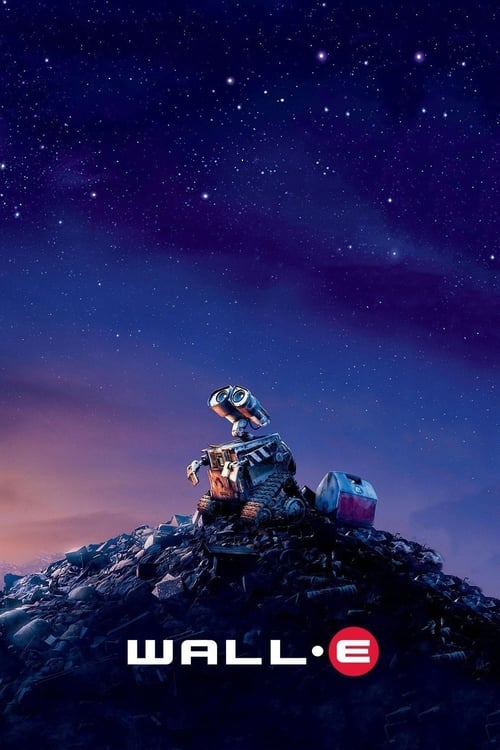
WALL·E argues that unchecked consumerism and corporate greed have rendered humanity physically and morally deconditioned. The film positions the discarded robot as the moral center, valuing physical labor, historical connection, and organic life over sterile automation. The human crew’s weakness is a critique of societal failure, not an inherent trait. The narrative resolves by rejecting corporate control in favor of a return to Earth. Physical agency and environmental stewardship are framed as the path to survival. The last moral word is a call to reconnect with the natural world and reject the empty comforts of a hyper-automated existence.
Category Breakdown
No LGBTQ+ characters or same-sex romance appear. The central bond between WALL·E and EVE is framed as a standard heterosexual pairing. Non-binary identities are absent from the narrative.
EVE drives the plot as the competent agent who finds the plant. Human men are depicted as physically deconditioned and socially awkward. The Captain’s command is framed as recovery from systemic failure rather than inherent superiority.
The human cast is visually homogeneous and white. No on-screen racial dynamics or diverse human representation exist. The film’s moral weight rests on the robot protagonist and environmental setting.
Corporate greed and consumerism are treated as the primary obstacles to survival. The CEO is portrayed as self-serving and oblivious. The film champions a return to physical labor and nature over sterile, automated comfort.
The Axiom crew’s physical weakness is portrayed as a consequence of a sedentary lifestyle. Their deconditioning serves as a visual critique of societal failure. Disability is not placed on a moral pedestal.
Present on Screen
Limited or Absent
Official Synopsis
After hundreds of years doing what he was built for, WALL•E— a robot designed to clean up the earth—discovers a new purpose in life when he meets a sleek search robot named EVE. EVE comes to realize that WALL•E has inadvertently stumbled upon the key to the planet's future, and races back to space to report to the humans. Meanwhile, WALL•E chases EVE across the galaxy and sets into motion one of the most imaginative adventures ever brought to the big screen.
2003
2007
2005
2005

2002

1997

2012

2007
No reviews yet. Be the first to share your thoughts on this movie!
Use the rating form above to leave a star rating and optional review.