
The World of Apu
1959
No user ratings available yet
Representation score: 6.6 out of 10
Representation Score
Fair
1955
Not RatedDirector
Satyajit Ray
Runtime
125 minutes
Average Rating
No ratings yetNew Showbiz Analysis
Satyajit Ray’s masterpiece succeeds by dismantling colonial-era cinematic clichés through a localized, authentic lens. It avoids the pitfalls of exoticizing the Global South, instead offering a profound assertion of cultural autonomy through its depiction of rural Bengali life. The film's strength lies in its narrative structure, which shifts the weight of household resilience onto the female protagonist. By portraying the father as distracted and economically ineffective, the story challenges traditional patriarchal stability. While the film lacks explicit LGBTQ+ or disability-centric narratives, it achieves sophistication by refusing to romanticize struggle. It uses the lived experience of a underrepresented socioeconomic class to challenge the universalizing tendencies of mainstream cinema.
Category Breakdown
The film operates within a strictly realist, mid-century rural framework. There is no discernible presence of LGBTQ+ or non-binary gender identities or narratives addressing the assumption that everyone is straight or cisgender.
The narrative centers the psychological and physical burden of Sarbojaya, giving her a significant role in driving the story. It challenges the cliché of the stable male leader by portraying Harihar as frequently ineffective.
As a cornerstone of Indian Neorealism, the film deconstructs the Western gaze. It avoids exoticization by centering a Bengali Brahmin family and utilizing authentic local settings.
The film offers a nuanced critique of systemic economic structures and the limitations of traditional religious institutions. It provides a humanistic counter-narrative through the sensory experiences of children.
The film does not focus on specific physical or neurodivergent disabilities as central plot devices. However, it portrays extreme poverty as a pervasive condition that limits character's ability to drive the story.
Present on Screen
Limited or Absent
Official Synopsis
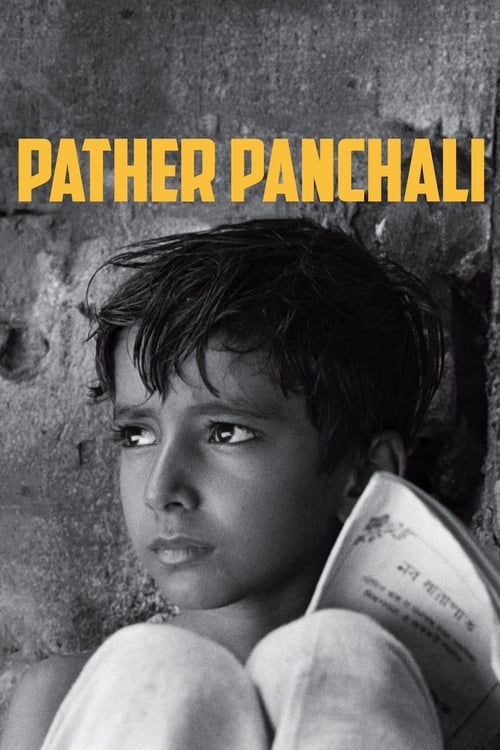
Impoverished priest Harihar Ray, dreaming of a better life for himself and his family, leaves his rural Bengal village in search of work. Alone, his wife, Sarbojaya, looks after her rebellious daughter, Durga, and her young son, Apu, as well as Harihar's elderly aunt Indir. The children enjoy the small pleasures of their difficult life, while their parents suffer the daily indignities heaped upon them.
1959

1963

1954
1956
1970
1974
1981

1973
No reviews yet. Be the first to share your thoughts on this movie!
Use the rating form above to leave a star rating and optional review.