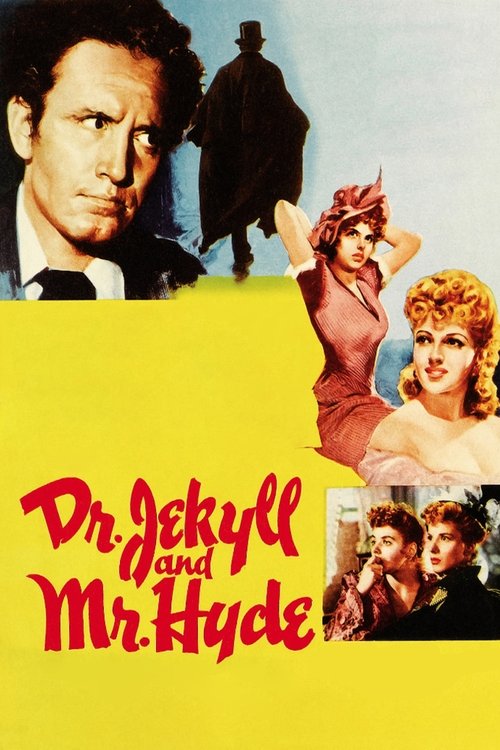
Dr. Jekyll and Mr. Hyde
1941
No user ratings available yet
Representation score: 1.4 out of 10

Representation Score
Limited
1931
ApprovedDirector
Rouben Mamoulian
Runtime
96 minutes
Average Rating
No ratings yetNew Showbiz Analysis
Rouben Mamoulian’s 1931 classic is a psychological drama that prioritizes the breakdown of individual morality over social inclusivity. It operates within the demographic constraints of its era, offering a homogeneous social landscape with little racial or queer representation. While demographic diversity is limited, the film successfully challenges the archetype of the stable Victorian gentleman. It replaces traditional social order with a narrative of psychological collapse and moral relativism. Ultimately, the film functions more as a critique of Western institutional repression than a diverse social portrait, using the protagonist's descent to challenge the era's perceived stability.
Category Breakdown
The film focuses solely on heterosexual relationships and social structures typical of Victorian London. There are no queer subtexts or characters with non-traditional gender identities.
Female characters serve mainly as emotional support for the male protagonist, lacking independent roles. However, the film challenges the stereotype of the strong male leader by showing his loss of control.
The cast is predominantly white and upper-class, reflecting the Anglo-Saxon society of the time. There is no significant representation of racial or ethnic diversity.
The narrative questions Victorian moral standards by presenting morality as a biological struggle. It suggests skepticism towards established societal norms and scientific authority.
Hyde’s transformation symbolizes physical and psychological differences. However, the film uses physical repulsiveness as a simple indicator of moral corruption.
Present on Screen
Limited or Absent
Official Synopsis
Dr. Henry Jekyll believes that there are two distinct sides to men: one that is good and one that is evil. He believes that by separating the two, man can become liberated. He succeeds in his experiments with chemicals to accomplish this and transforms into Hyde to commit horrendous crimes. When he discontinues use of the drug, it is already too late.
1941
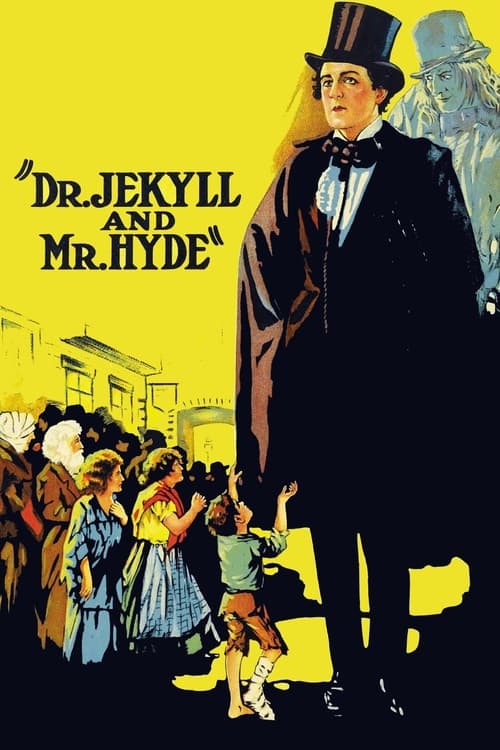
1920
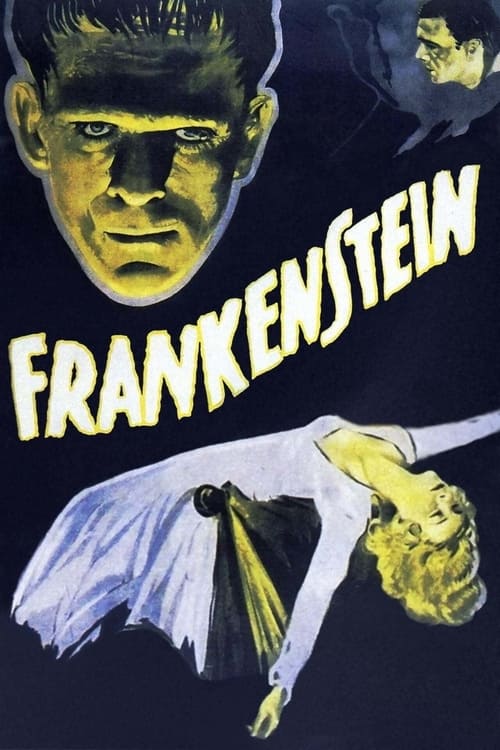
1931
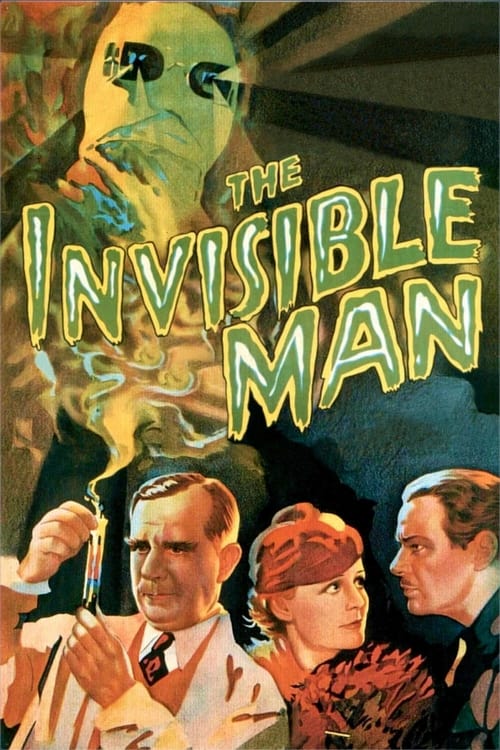
1933
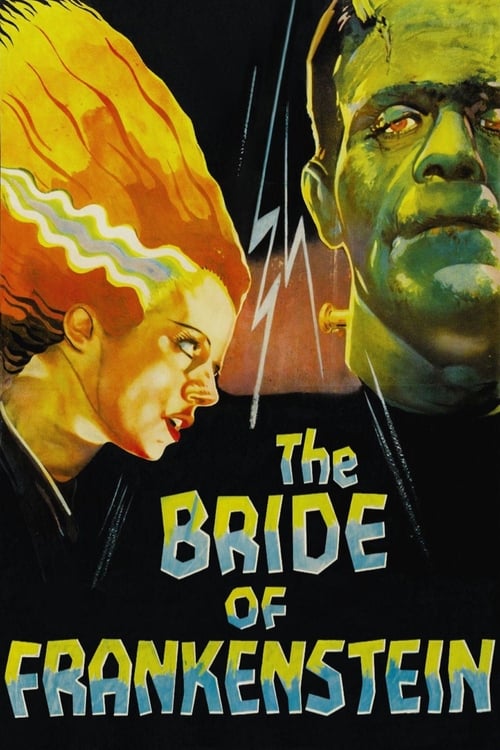
1935
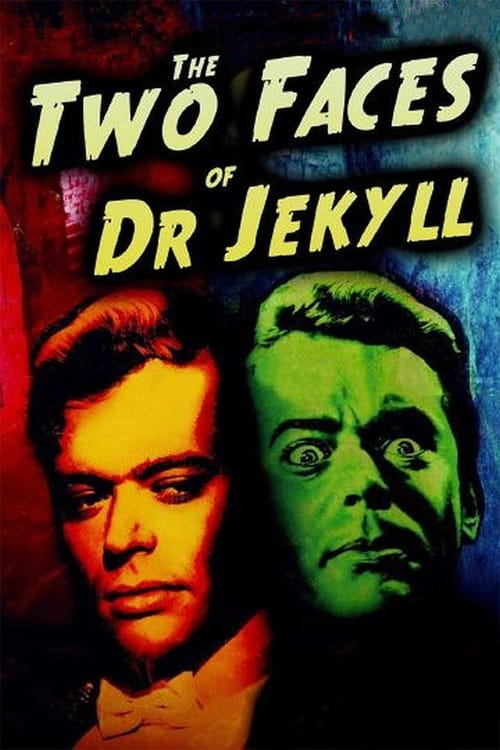
1960
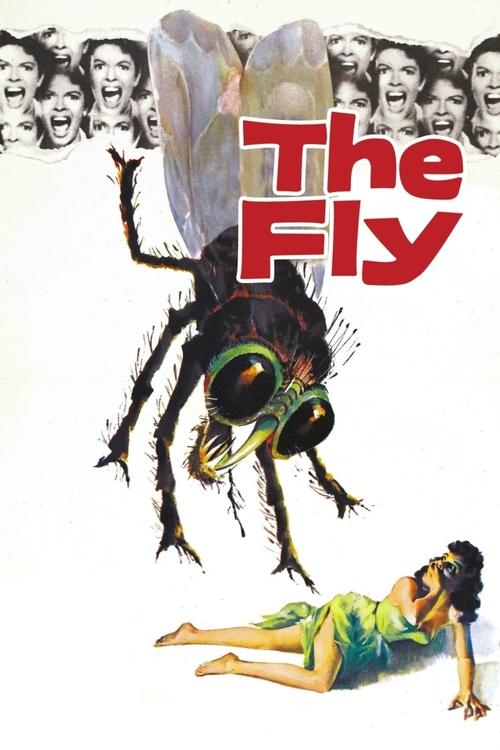
1958
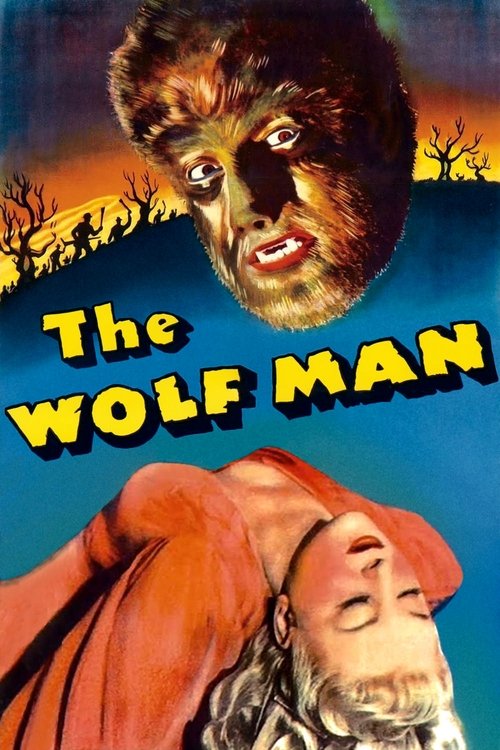
1941
No reviews yet. Be the first to share your thoughts on this movie!
Use the rating form above to leave a star rating and optional review.