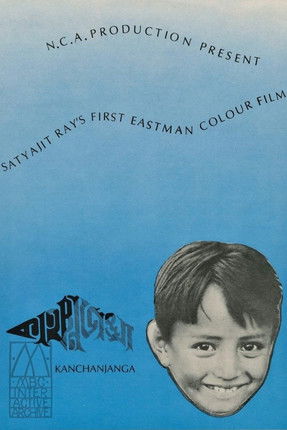
Kanchenjungha
1962
No user ratings available yet
Representation score: 4.4 out of 10
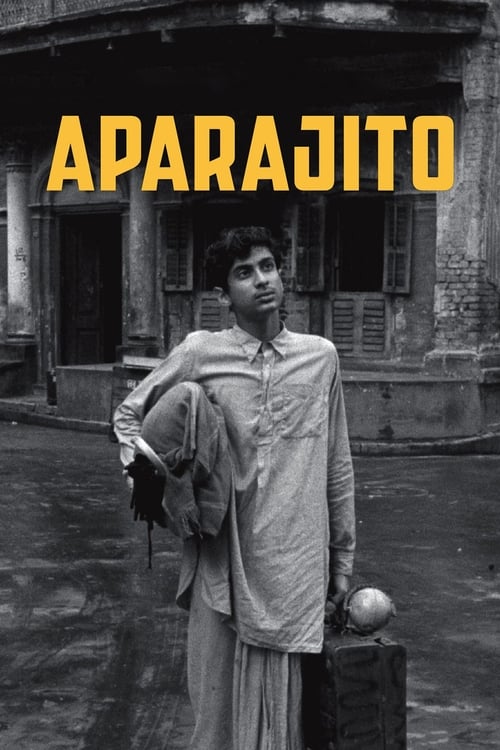
Representation Score
Fair
1956
Not RatedDirector
Satyajit Ray
Runtime
110 minutes
Average Rating
No ratings yetNew Showbiz Analysis
Aparajito is a profound exploration of individual ability to act within post-colonial India. By focusing on a non-Western perspective, the film challenges the historical dominance of Western-centric cinema through its authentic Bengali setting. The film's strength lies in its sophisticated cultural critique. It goes beyond simple clichés to examine the friction between tradition and modernity, especially through the protagonist's intellectual journey. However, the film lacks representation for LGBTQ+ identities and does not feature characters with disabilities. Its focus remains on the domestic and academic growth of the central family.
Category Breakdown
The film does not include any LGBTQ+ characters or narratives. It focuses solely on the familial and academic development within a 1950s social context.
Sarbajaya is portrayed as a resilient woman dealing with socioeconomic pressures rather than a simple maternal figure. Her character adds nuance to the gendered struggles presented in the film.
The film centers on a non-Western, Bengali identity, offering an authentic look into the cultural specifics of Varanasi and Calcutta.
The narrative explores the tension between spiritual traditions and secular education. It highlights how traditional structures can limit individual intellectual growth.
There are no central depictions of physical or neurodivergent disabilities in the film's narrative.
Present on Screen
Limited or Absent
Official Synopsis
Apu and his family have moved away from the country to live in the bustling holy city of Benares. As he progresses from wide-eyed child to intellectually curious teenager, eventually studying in Kolkata, we witness his academic and moral education, as well as the growing complexity of his relationship with his mother.
1962

1959

1953

1951
1955
1936

1966

1945
No reviews yet. Be the first to share your thoughts on this movie!
Use the rating form above to leave a star rating and optional review.